Preferred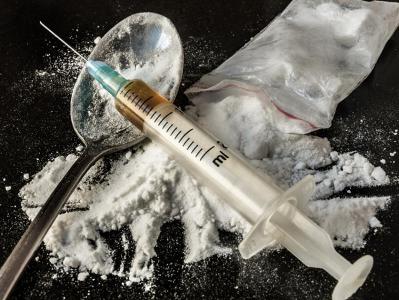
State restrictive measures to combat the spread of the new coronavirus had a strong influence on the illicit drug trade, their production, and changed drug trafficking routes and consumption, UN Office on Drugs and Crime (UNODC) reported.
According to a report by the UN Anti-Drug Enforcement Administration, air traffic restrictions likely affected the trade in synthetic drugs (methamphetamine), for the supply of which between the continents most often resorted to air transport.
"Restrictions on air travel are, therefore, likely to have a particularly drastic effect on this illegal cargo. The bulk of cocaine is trafficked by sea and large cargos have continued to be detected in European ports during the pandemic," the source noted.
According to UNODC, several countries have reported drug shortages at the retail level. "This can lead to an overall decrease in consumption, but mainly of drugs mostly consumed in recreational settings."
"In the case of heroin, however, a shortage in supply can lead to the consumption of harmful, domestically produced substances – heroin shortages have been reported by countries in Europe, South West Asia and North America and some countries in Europe have warned that heroin users may even switch to fentanyl and its derivatives.
An increase in the use of pharmaceutical products such as benzodiazepines has also been reported, already doubling their price in certain areas. Another harmful pattern resulting from drug shortages is the increase in injecting drug use and the sharing of injecting equipment. All of which carry the risk of spreading diseases like HIV/AIDS, hepatitis C, and COVID-19 itself. The risk of drug overdose may also increase among those injecting drugs and who are infected with COVID-19."
According to the report, restrictive measures and a self-isolation regime could interfere with the harvest of opium poppy in Afghanistan
"Cocaine production also appears to be impeded in Colombia, as producers are suffering from a shortage of gasoline. While in Bolivia, COVID-19 is limiting the ability of state authorities to control coca bush cultivation, which could lead to an increase in coca production. In Peru, however, a drop in the price of cocaine suggests a reduction in trafficking opportunities. This may discourage coca bush cultivation in the short-term, although the looming economic crisis may lead more farmers to take up coca cultivation in all the major cocaine producing countries.
A decline in international trade in the current pandemic could also lead to shortages in the supply of precursors, vital for the manufacture of heroin as well as for synthetic drugs. A limited supply in Mexico, for example seems to have disrupted the manufacture of methamphetamine and fentanyl, while in Lebanon and Syria it is affecting the production of captagon. Czechia on the other hand expects a shortage of metamphetamine for the same reasons.
In the long run, the economic downturn due to the pandemic could transform the drug market, UNODC experts conclude.
In the long-run, the economic downturn caused by the COVID-19 pandemic has the potential to lead to a lasting and profound transformation of the drug markets, which can be fully understood only after more research is done. The economic difficulties caused by COVID-19 may affect people who are already in position of socioeconomic disadvantage harder than others."