make preferable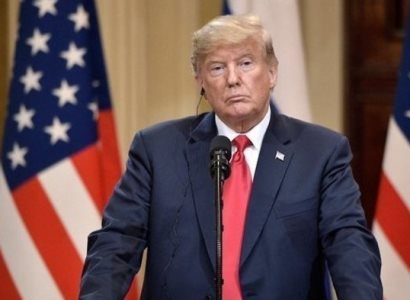
Headlines last week that the presidents of Russia and France are jointly calling for a ceasefire in Nagorno-Karabakh heartbeat Carey Cavanaugh, former OSCE Minsk Group co-chair, The Guardian reported.
Partly because they meant that the centuries-old dispute has flared up again, resulting in over 400 deaths to date, including over a dozen civilians as well, because the US, which together with France and Russia are in the MG, were not included in the statement.
The US was not involved in this discussion, Cavanaugh said. He is among observers in the Caucasus who see this week as the latest example of a US withdrawal from diplomacy with theaters around the world, amid broader concerns that the US State Department will be ousted under Donald Trump.
The Trump administration is largely silent about the conflict. Secretary of State Mike Pompeo only commented on the question when asked about it in an interview this week and made no commitment.
With the Trump administration, the United States has receded into the background on many important international issues compared to previous administrations, especially when they affect Russia's sphere of influence. Trump has consistently avoided statements that might irritate Russian president Vladimir Putin. US allies such as the UK and Lithuania recently tried to persuade the State Department to respond more aggressively to the crackdown on protests in Belarus and the poisoning of Russian politician Alexei Navalny.
America's lack of interest in Nagorno-Karabakh was first noted in August 2017, when the US appointed its new Minsk Group co-chair, Andrew Schofer, but did not grant him ambassador status, putting him in a lower position than his French and Russian counterparts.
In a well-balanced and complex regional dispute, Cavanaugh said this decision could invalidate diplomatic efforts.
The US embassies in Azerbaijan and Armenia have issued travel advice to their citizens, warning of a possible escalation of violence in Nagorno-Karabakh. Their fears, confirmed 48 hours later, were not supported by Washington.
Only on Thursday, five days after the start of the war, the full statement of the Minsk Group was published condemning the fighting.