make preferable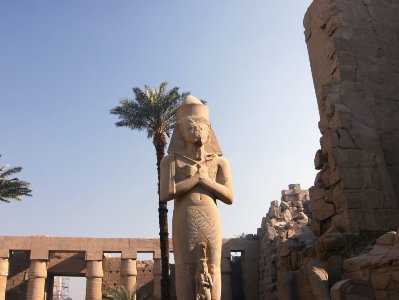
Five ancient wells have been found near the ancient fortress, located in the northern part of the Sinai Peninsula, Egypt.
Archaeologists suggest that they were created in the XIII century BC, according to the Arkeonews portal.
All five wells were found in the immediate vicinity of the ancient fortress of Tell el-Kedwa. This is one of several fortifications located in the area, which served as a military checkpoint for the defense of the eastern borders of Egypt.
Researchers believe that the wells were built before the reign of Pharaoh Seti I, that is, before 1292 BC. A more precise date has not yet been established. They probably acted as a source of water for the soldiers moving along the Gora military road.
The mention of these wells is in the inscriptions carved in the era of Seti I on the stone walls of the Karnak temple, reports Planet-Today.
According to Ramadan Helmi, four of the five wells found were filled with sand as early as 525 BC to deprive the Persian army that had invaded Egypt at that time of a source of water. The depth of the only unfilled well at the time of the discovery was about three meters. Inside, scientists found several pottery made during the reign of the 26th dynasty - in the period from 664 to 525 BC.