make preferable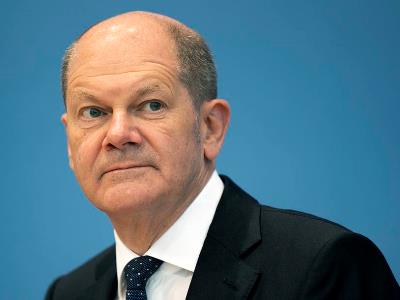
German Chancellor Olaf Scholz is on a two-day visit to the countries of the Western Balkans to help revive their long-delayed campaign for European Union membership, ease regional tensions and repel the influence of powers such as Russia, Reuters reported.
Scholz's visit followed a visit by European Council President Charles Michel and ahead of a summit of EU and Western Balkan leaders on 23 June.
The prospect of EU membership had for years been a major driver of reform and increased cooperation in the region after a decade of wars and turmoil in the 1990s, until EU enlargement came to a halt, generating frustration.
“The fact it hasn’t happened is a real problem and the growing influence of other countries like Russia and China is a result of this process not developing,” said Florian Bieber, a Balkan expert at Austria’s University of Graz.
The Scholz government, which came to power in December, has made entry of the Western Balkans into the EU a foreign policy priority.
“We will not surrender this region in the heart of Europe to Moscow’s influence,” German Foreign Minister Annalena Baerbock had said when she paid a visit to the Western Balkans in March.
The question is whether Scholz’s government, which took office in December, is able to come up with a real strategy to push the process forward or whether it will simply “muddle along” like former Chancellor Angela Merkel, who professed her support for the region but did little to change the dynamics, said Bieber.
Scholz will visit first Kosovo and then Serbia. Later, the German chancellor will travel to Thessaloniki in Greece for dinner with representatives of the Southeast European Cooperation Process, a Balkan regional organization of 12 countries.
On Saturday, he travels to North Macedonia and Bulgaria, which have been deadlocked over a dispute preventing talks on North Macedonia's EU accession from starting.