make preferable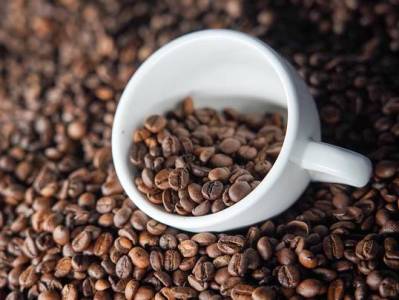
Decrease of coffee yield in Brazil may cause a sharp increase in prices for this commodity around the world, writes TASS referring to The Wall Street Journal.
The coffee harvest in Brazil is traditionally tied to two-year cycles, when in even-numbered years, farmers gather large volumes of arabica. But in 2021, plantations suffered first a drought and then a frost, which all but dashed hopes for a bountiful harvest. Because of the negative expectations, coffee futures in 2021 have already begun to break the records of the last 10 years. The value of a pound of Brazilian Arabica went up to $2.58 and stabilized at $2.23, which is higher than in previous years.
In addition to Brazil, plantations in Colombia, also an influential coffee exporter on the world market, were also affected by the bad weather. According to some estimates, as the newspaper notes, yields in 2022 on some farms could almost halve. For example, the Minasul Coffee Cooperative, which brings together some farmers to produce, buy and export coffee, expects its total output in 2022 to drop to one million bags (132 pounds of coffee each), down from 2.2 million bags in 2020.
This situation threatens to disrupt international coffee supplies. Adding to the problems are not only falling yields, but also difficulties in global logistics and rising transportation costs. According to the International Coffee Organization, global consumption of this drink will only increase, outpacing production.
Meanwhile, amid such forecasts, analysts at Fitch Ratings, according to The Wall Street Journal, don't think prices will continue to rise much. They estimate they will stop at an average of $2.15 a pound of coffee. But price volatility will persist as a result of lower Brazilian exports and a shortage of stocks in warehouses.