make preferable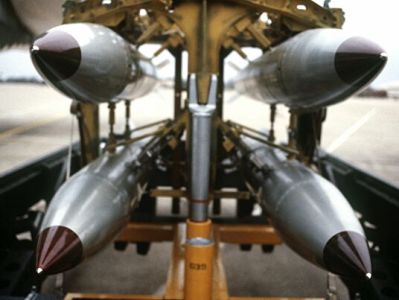
The United States has accelerated the deployment of a more calibrated version of a nuclear bomb at NATO bases in Europe, according to a U.S. diplomatic cable and two sources familiar with the matter.
The deployment of the upgraded B61-12 bomb, originally scheduled for next spring, is now scheduled for December this year, U.S. officials told NATO allies during a closed-door meeting in Brussels this month, Politico reported.
The move, which involves replacing old weapons with a new version in various depots in Europe for potential use by bombers and fighters from the United States and its allies, comes amid heightened tensions over Russian threats to use nuclear weapons in Ukraine and growing concern that the West needs to do more to deter Moscow from crossing that line.
The modernization of the B61 program has been openly discussed in budget documents and public statements for years, and Pentagon officials have said it is necessary to ensure the modernization and security of the arsenal.
Pentagon spokesman Brigadier General Patrick Ryder said, the modernization of the U.S. B61 nuclear weapons has been underway for years, and the US plans to safely and responsibly replace the old weapons with an upgraded version of the B61-12, which is part of a long-planned modernization. It has nothing to do with the current events in Ukraine.
The arrival date came as a surprise to some longtime observers, who fear it could further exacerbate an already dangerous situation in Europe. The announcement at the Brussels meeting came days before NATO began its annual nuclear exercise, known as Standing Noon. The two-week exercise ends Sunday and includes about 70 aircraft. And on Wednesday, Russia held a nuclear exercise that the defense chief called a simulated massive nuclear strike in response to a nuclear attack on Russia.
Two people familiar with the issue of the upcoming shipment to Europe confirmed the accelerated timeline.
The B61 is a family of nuclear bombs first developed in the early 1960s and originally demonstrated in underground nuclear tests in Nevada. A dozen versions were developed over the decades, and most have since become obsolete.
The $10 billion B61-12 life-extension program is managed by the Department of Energy and is designed to replace several earlier versions, including about 100 bombs stored at air bases in Germany, Italy, Belgium, the Netherlands and Turkey.
The new version is also designed so that U.S. and allied bombers and fighters, including B-2 and B-21 bombers as well as F-15, F-16, F-35 and Tornado fighters, can carry the weapon.
The warhead itself is one of the most versatile in the U.S. arsenal because its explosive power can be increased or decreased depending on the target, making it a low- or medium-power weapon.