make preferable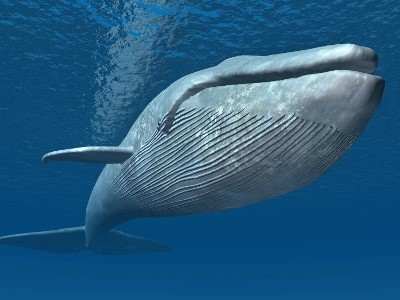
Blue whales eat about 10 million particles of microplastics a day, humpbacks about 200,000, and fin whales about 3 million. The difference may be due to the peculiarities of the animals' diets, said scientists at Stanford University. They compared the habitat and feeding of two hundred whales with a map of the distribution of plastic trash in the ocean.
It turned out that whales get food at a depth of 50-250 meters from the surface. That is where most of the microplastics are concentrated.
Humpback whales eat mostly herring and anchovies, and they get the least amount of microplastics in their bodies. Blue whales eat krill, a crustacean plankton, and absorb more microplastics than their relatives of other species. Fin whales love both fish and krill - and are in second place for the amount of debris they consume.