make preferable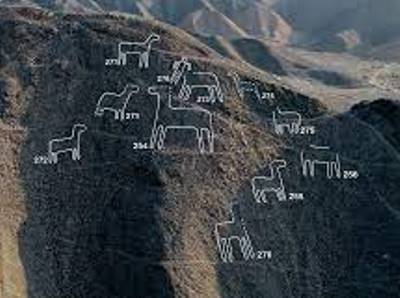
More than a hundred new drawings discovered in and around Peru's ancient Nazca plain could shed light on mysterious pre-Columbian artwork that has intrigued scientists and visitors for decades, CNN reports.
After two years of field research using aerial photography and drones, Peruvian and Japanese researchers from the University of Yamagata earlier this month reported the discovery of 168 new specimens at a UNESCO World Heritage Site on Peru's South Pacific coast.
The geoglyphs, huge figures carved in the South American desert, date back more than 2,000 years and represent people, cats, snakes, killer whales and birds.
Jorge Olano, chief archaeologist of the Nazca Lines research program, said the new figures average two to six meters in length.
The figures, iconic relics of Peru's rich history, are about three hours from the capital Lima.
Researchers have already discovered 190 figures in the area since 2004. But the vastness of the area they cover has complicated efforts to study and preserve the heritage site.