make preferable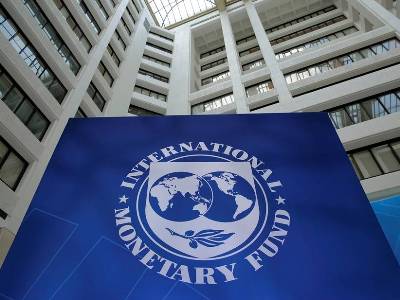
Severe fragmentation of the world economy after decades of growing economic integration could reduce global economic output by 7%, but losses could reach 8-12% in some countries, the International Monetary Fund said in a report.
The IMF said that even limited fragmentation could reduce global GDP by 0.2 percent, but added that more work is needed to assess the estimated costs of the international monetary system and the global financial safety net (GFSN).
It is noted that global flows of goods and capital have leveled off since the 2008-2009 global financial crisis and the sharp increase in trade restrictions seen in subsequent years.
The COVID-19 pandemic and Russia's invasion of Ukraine further tested international relations and reinforced skepticism about the benefits of globalization, the report said.
Deeper trade ties have led to significant reductions in global poverty over the years, while benefiting low-income consumers in advanced economies through lower prices. Breaking trade ties will most adversely affect low-income countries and lower-income consumers in advanced economies, the report said.
Restrictions on cross-border migration would deprive receiving countries of valuable skills and reduce remittances to migrants' countries of origin. Reduced capital flows would reduce foreign direct investment, and reduced international cooperation would pose risks to the provision of vital global public goods.
The IMF said that existing research shows that the deeper the fragmentation, the higher the costs, and technological separation significantly increases the losses from trade restrictions.
It noted that emerging market and low-income countries are likely to be at greatest risk as the world economy moves toward greater financial regionalization and a fragmented global payments system.
With less international risk sharing, (global economic fragmentation) could lead to higher macroeconomic volatility, more severe crises, and more pressure on national reserves, the report said.