make preferable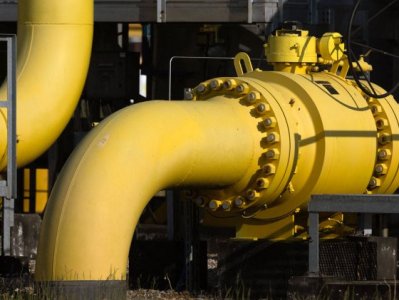
Bulgaria on Wednesday began building a long-delayed gas connection with neighboring Serbia that will channel non-Russian gas to Belgrade and improve supply security in southeastern Europe, Reuters reported.
After Russia cut gas supplies to Europe, European countries are looking for alternative suppliers and are more actively pursuing energy cooperation.
A 170-kilometer pipeline from the Bulgarian city of Novi Iskar to Nis in Serbia is expected to be operational by the end of the year, Bulgarian Energy Minister Rossen Hristov said.
Bulgaria, which has been considering the project since 2012, plans to prepare a 62-kilometer section on its territory by the end of October. Serbia, which began construction last February, will also be ready by the fall, officials told the agency.
Currently, the only gas connection between the two countries transports Russian gas from the TurkStream pipeline to Serbia.
The new pipeline, funded in part by European Union aid, will give Serbia access to non-Russian supplies from the Southern Gas Corridor and liquefied natural gas (LNG) terminals in Greece and Turkey.
The pipeline, which would allow gas to flow in both directions, would diversify the routes linking Bulgaria to the European gas network.
Bulgaria, which was cut off from Russian gas imports last April, has opened a new gas interconnection with Greece, which currently receives 1 billion cubic meters of Azerbaijani gas per year. Sofia has also concluded a long-term agreement with Turkey to import LNG.