make preferable
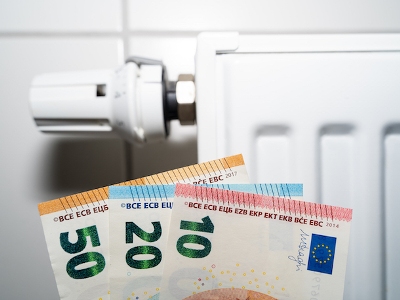
Spending in Europe to protect people and businesses from skyrocketing energy prices has grown to nearly 800 billion euros, according to a study by think tank Bruegel, Reuters reports.
Since September 2021, members of the European Union have allocated or plan to allocate 681 billion euros, while the UK has allocated 103 billion euros and Norway - 8.1 billion euros.
Thus, total spending on overcoming the energy crisis has reached €792 billion, up from €706 billion in November, as countries continue to grapple with the consequences of Russia cutting off gas supplies to the region.
Germany spent the most, 270 billion euros, a significant drop from the rest of Europe. Behind the largest economy of the Eurozone is the UK, Italy and France, which spent less than 150 billion euros. On a per capita basis, Luxembourg, Denmark and Germany spent the most.
Spending by countries on the energy crisis is comparable to a 750 billion euro fund for recovery from the coronavirus pandemic.
According to analysts, governments have focused much of their support on untargeted measures aimed at curbing retail energy prices, such as reducing VAT on gasoline or limiting retail electricity prices.
As a consequence, states are running out of fiscal space to sustain long-term support for funding of this magnitude. Instead, the authors of the study believe, it is more appropriate to support low-income populations and strategic sectors of the economy.