make preferable
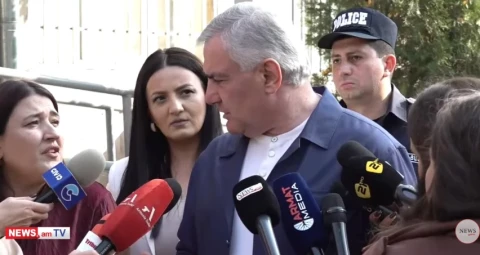
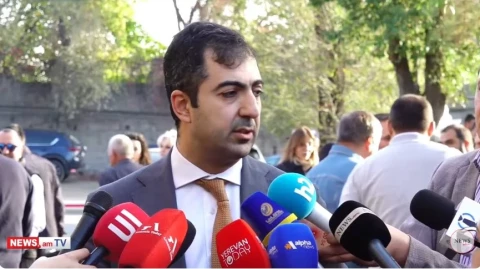
The last two provisions that have been agreed upon relate to after the entry into force of the peace agreement. Armenian Prime Minister Nikol Pashinyan told this to reporters nearby the office of the ruling Civil Contract Party on Thursday—and referring to the question of whether the removal of the EU monitoring mission in Armenia and the pulling out of international lawsuits will take place before or after the signing of the Armenian-Azerbaijani peace agreement.
“Although the general logic is that we should also have discussions on some of the nuances of these issues. One of the two articles concerned the issue of not deploying forces of third countries along the border, the other—on mutually withdrawing lawsuits from international courts and not taking actions against each other.
These provisions have also undergone a small but significant evolution. Since it became obvious that we are not and will not be able to have ideal formulations in this regard, we have also discussed them in the Security Council format and have come to the conclusion that the current content can be considered the compromise option that may be acceptable. In essence, yes, in these circumstances it is acceptable to Armenia,” Pashinyan said.
And when asked as to what Azerbaijan’s compromise is, the Armenian premier responded: “At this phase, it is important that we don’t make unilateral formulations and statements. If an agreement has been reached, it means that Azerbaijani party has thought that this text is to some extent beneficial to it, Armenia also has decided that it is also beneficial to it. These are the compromises that we have spoken about publicly. Yes, we have made a decision because we consider this to be a compromise text, what a peace agreement could be.”