make preferable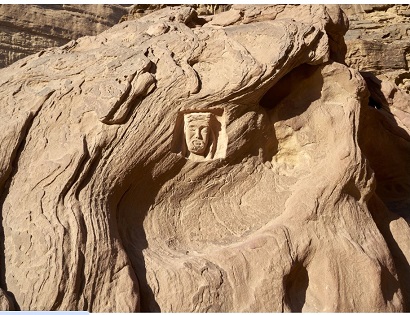
In October 2025, Armenian archaeologists made a remarkable discovery at the ruins of the ancient Argishtikhinili fortress, atop Saint David Hill: a stone figurine with a human face. The artifact is estimated to be around 2,500 years old, dating back to the late period of the Urartian Kingdom, reports Popular Mechanics.
Experts believe the figurine could shed light on the religious practices and beliefs of the Urartian people, about which relatively little is currently known.
The idol, made from volcanic tuff, stands approximately 50 centimeters tall. Its stylized face features prominent eyebrows, closely set eyes, a long nose, and thin lips. Despite the schematic representation, the facial features are expressive, suggesting the object may have had ritual or ceremonial significance.
Near the figurine, archaeologists discovered a stone box likely used to hold ritual objects or organic materials employed in ceremonies. Researchers plan to conduct chemical analyses of the box and any remnants it contains. These tests aim to identify traces of organic substances such as wine, oils, or plant extracts that may have been used in religious rituals. Such findings could clarify which deity or cult the figurine was associated with and how it was utilized in worship.
The Urartians worshiped multiple gods, including the supreme god Khaldi, the storm god Teisheba, and the sun god Shivini. Some of their religious practices shared common elements with neighboring Mesopotamian and Anatolian mythologies. Consequently, identifying the newly found idol could provide valuable insights into how the Urartians understood the spiritual world, conducted rituals, and interacted with regional cultural-religious traditions.
Archaeologists emphasize that this discovery is exceptional not only for its preservation but also for its potential to illuminate little-known aspects of ancient Armenian spiritual life.
Every element of the figurine and its surrounding finds is being carefully studied, with further excavations and laboratory analyses planned in the near future to determine the idol’s function and symbolism definitively.