make preferable
By Arus Bakunts, Sofi Elizbaryan
Earlier, the village of Yuangudui in China’s Gansu Province was spoken of with despair. Its semi-desert climate and dry soil have long deprived locals of the opportunity for a decent life. But today, Yuangudui is an exemplary “northern benchmark” for China in the fight against poverty and the revitalization of villages.
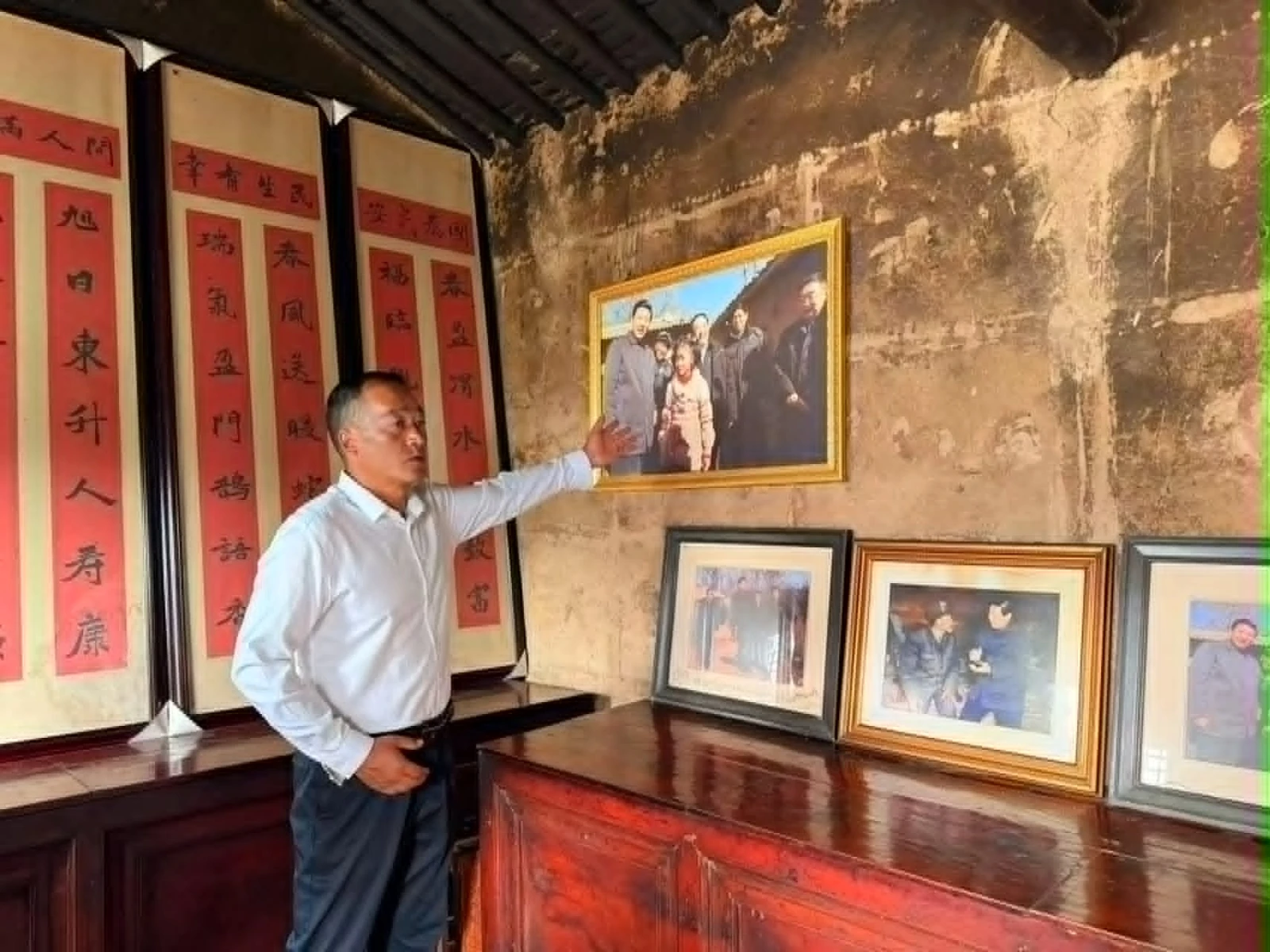
In 2013, when Chinese President Xi Jinping visited the village, 44% of the population was below the extreme poverty line. This visit, however, gave a new impetus to the development of the region: clean water was supplied to Yuangudui, roads were built, communications and a stable energy supply were ensured.
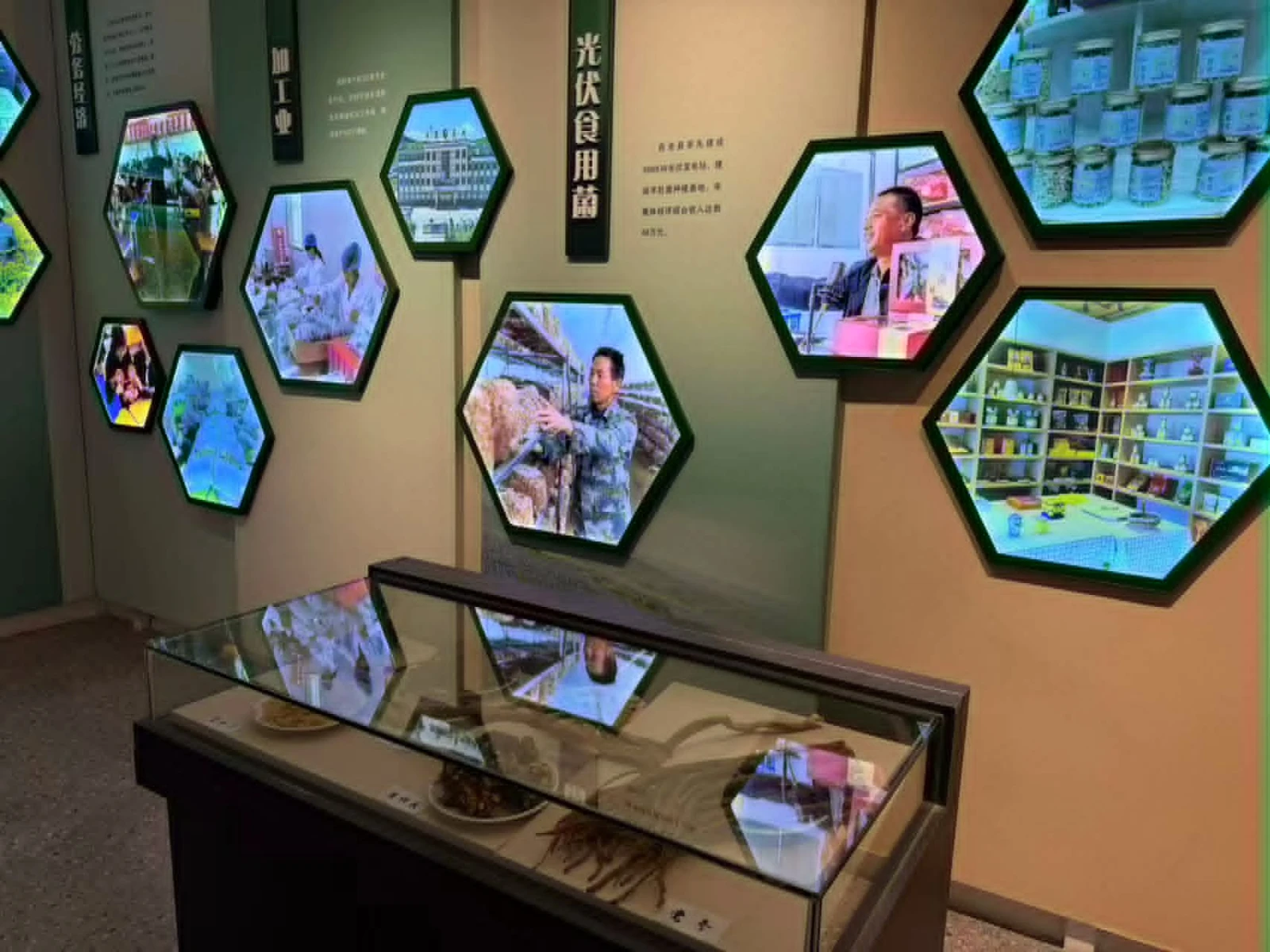
Instead of trying to harvest grain from the parched land, the village changed its specialization dramatically.
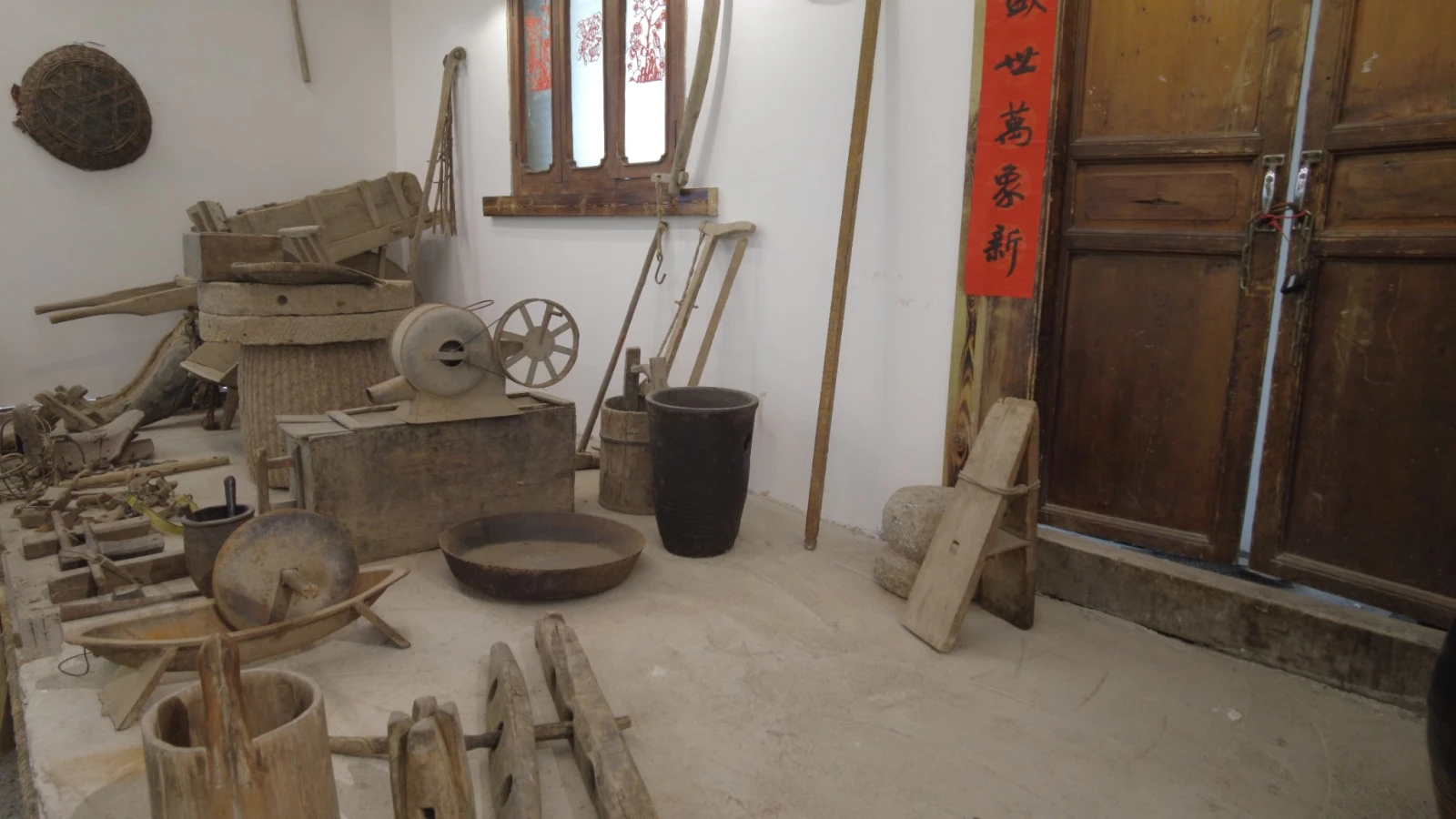
As part of the Dingxi prefecture-level city, the village became part of the “capital of traditional Chinese medicine,” establishing plantations of Chinese mulberry (dangui), astragalus, and codonopsis.
Agro-technology also came into play.
Sandy soils were adapted for potato cultivation, building automated greenhouses and smart warehouses.
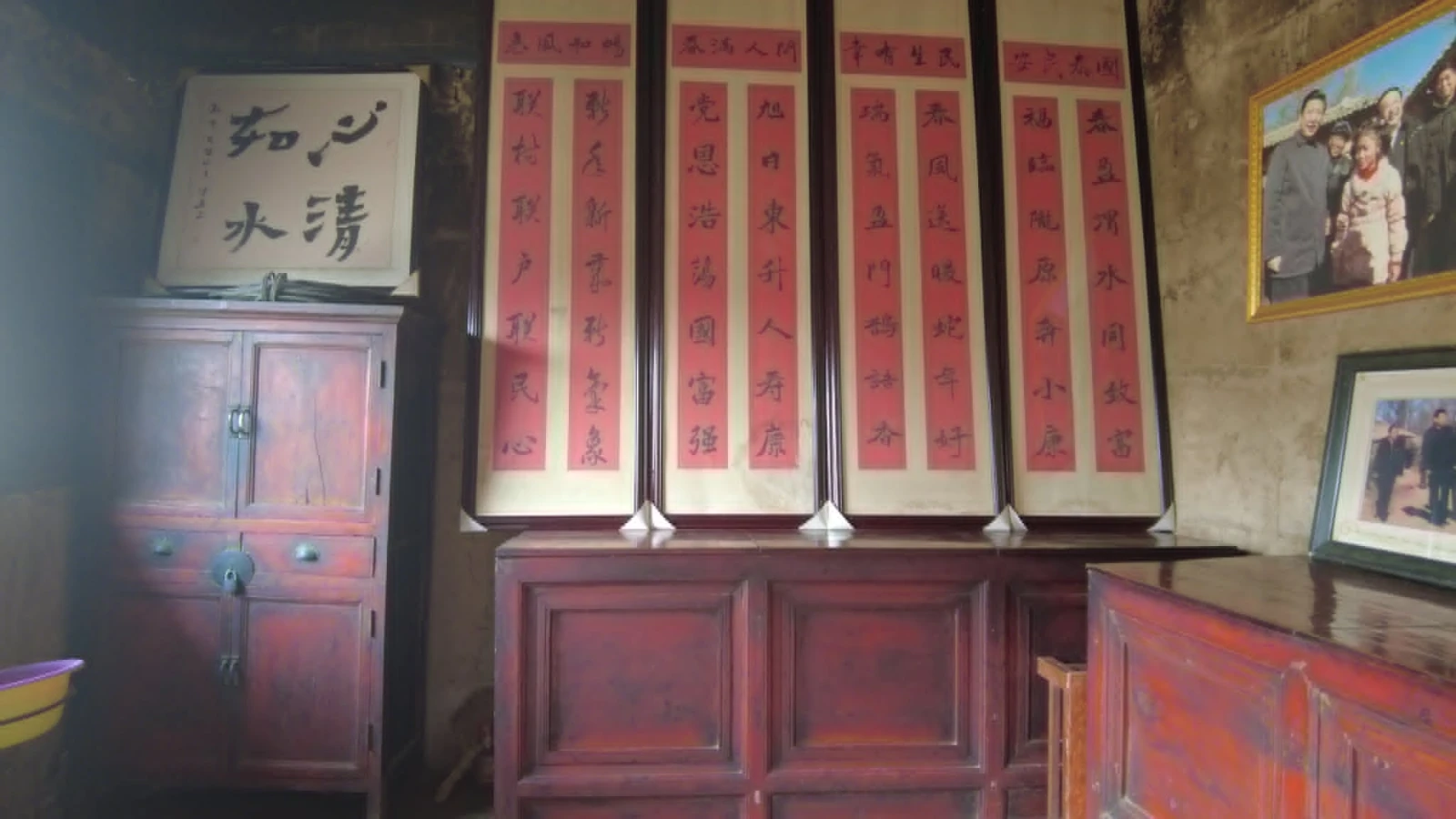
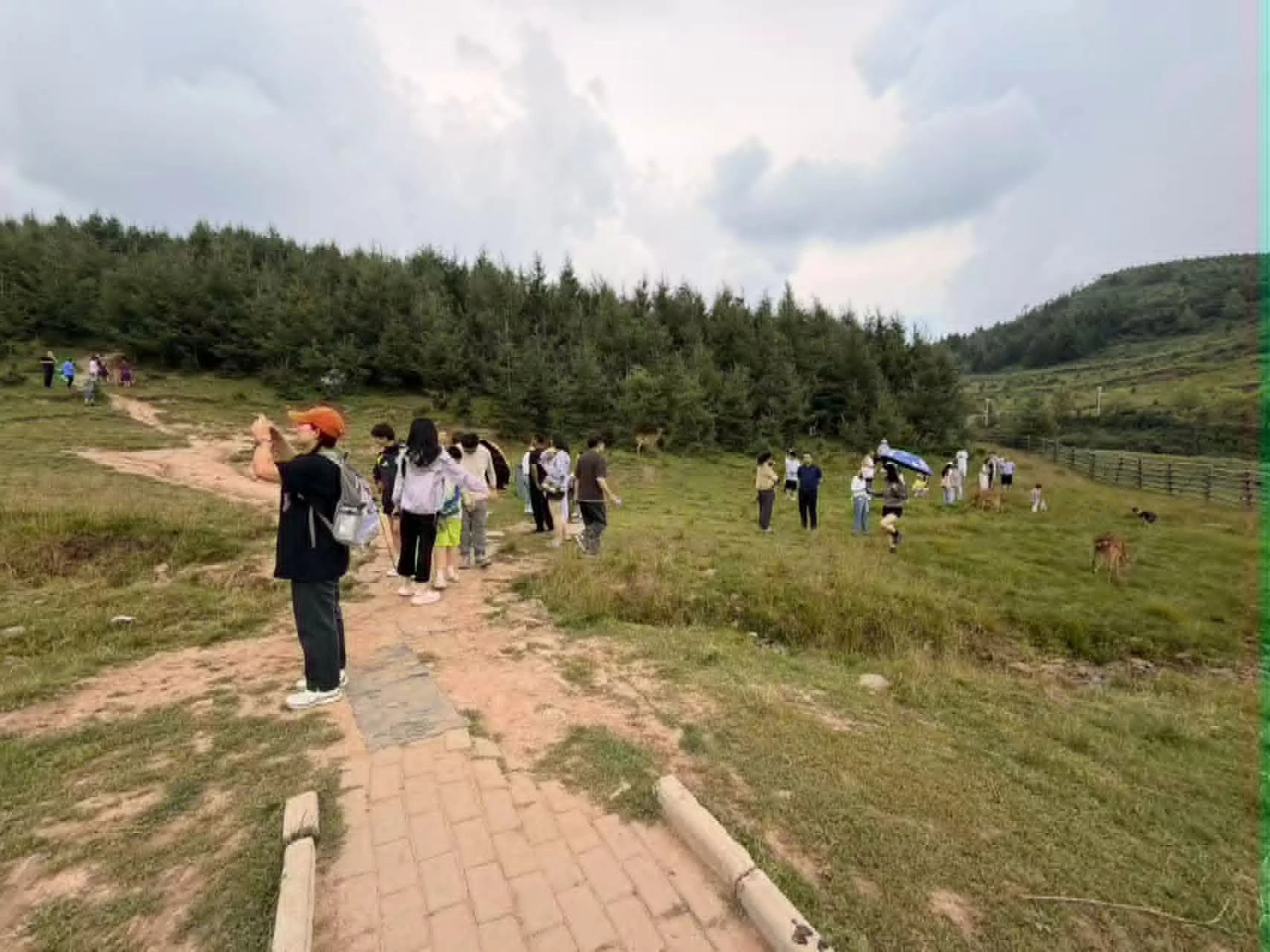
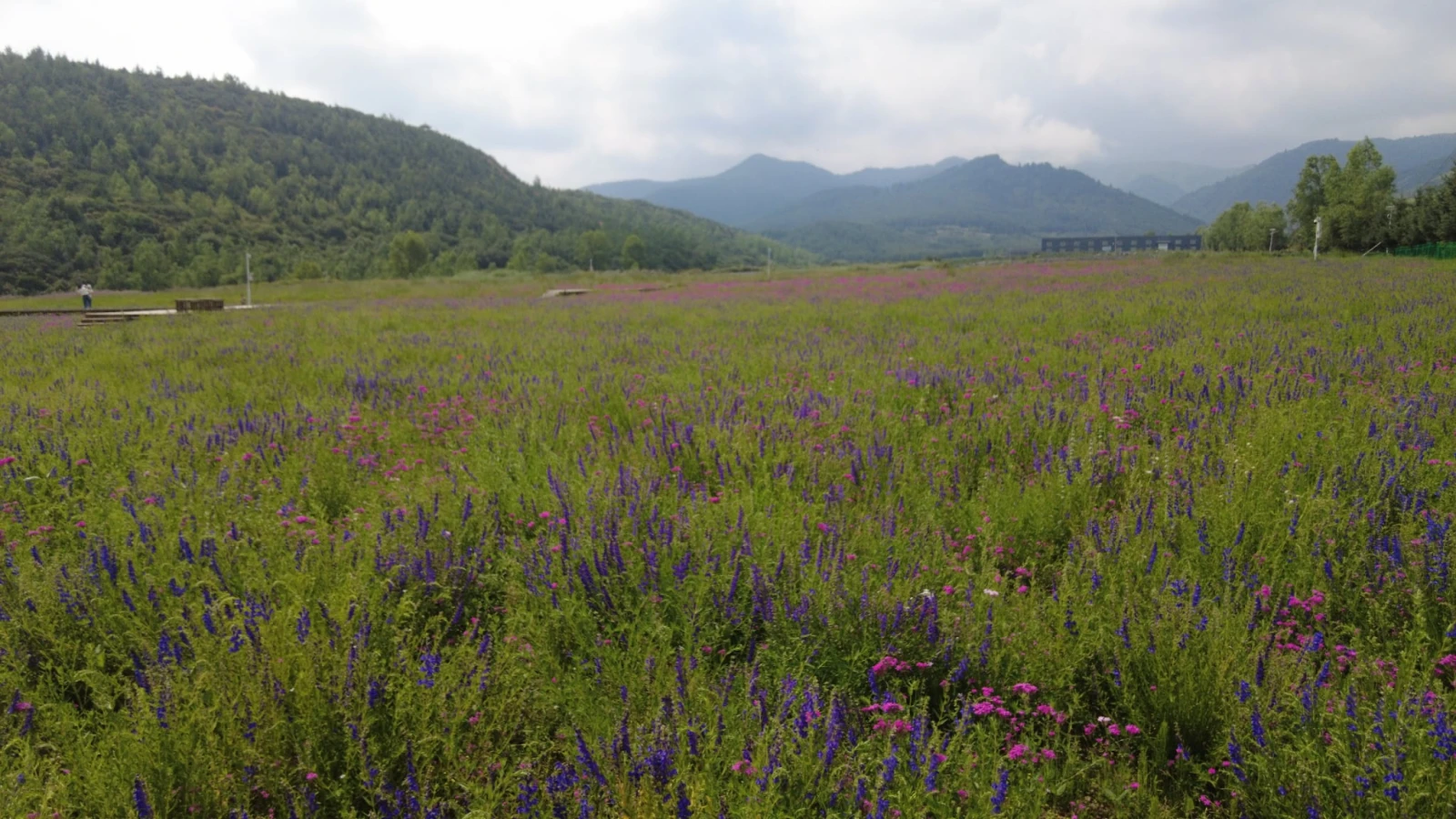
At the same time, the village’s clay-made architecture was restored, turning the village into a tourist cluster near the headwaters of the Wei River, with campsites and guesthouses.
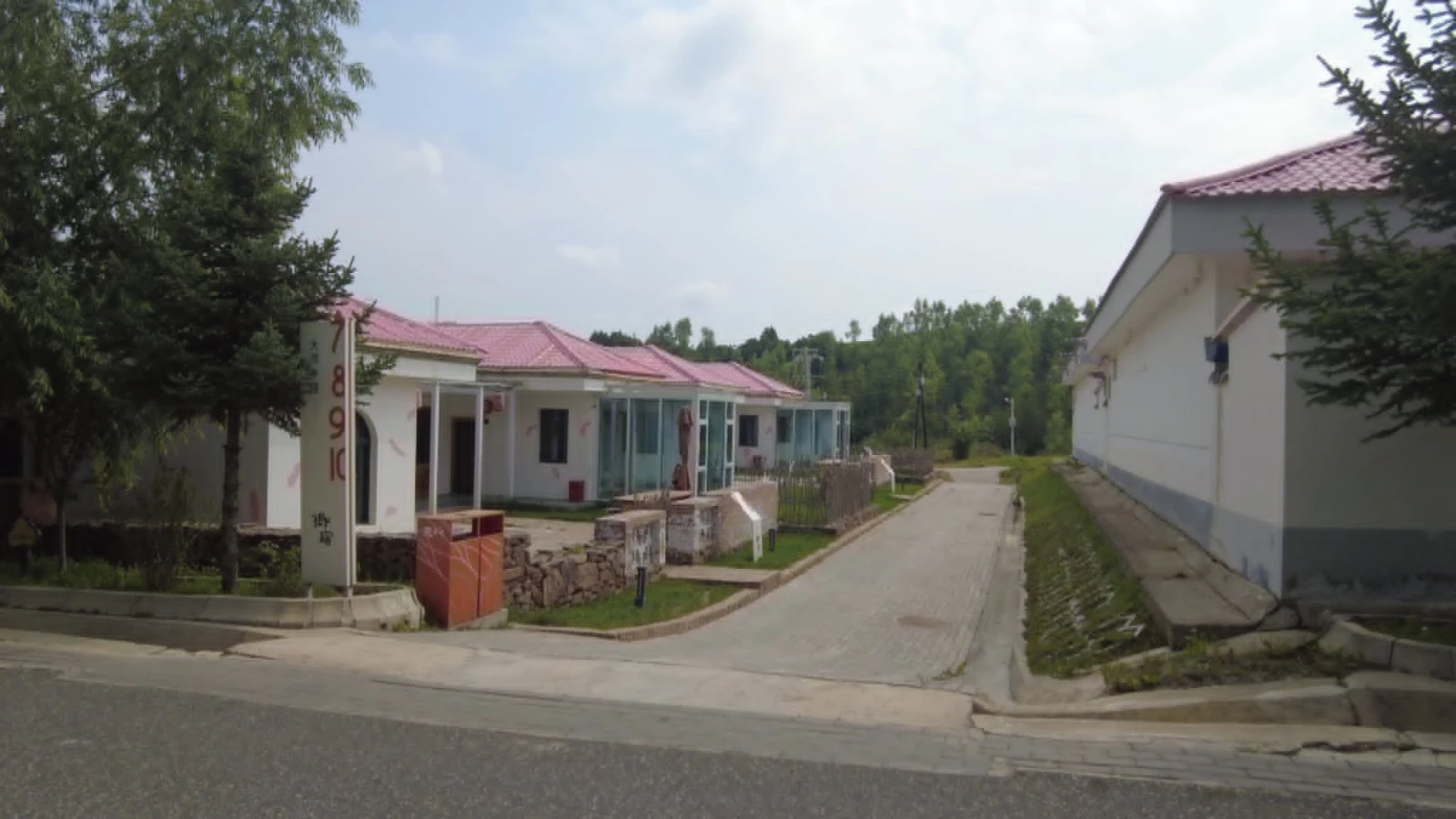
As a result, Yuangudui completely eliminated absolute poverty by 2019, two years ahead of schedule. Over the decade, the average income of residents increased more than 11 times, turning this crisis-ridden corner into a thriving center of agro-technology.
Today, Yuangudui is not just a developed village for China, but a major “northern benchmark” for overcoming poverty. It is a visible example of how, thanks to competent investments and technological changes, even the most oppressed region can turn into a prosperous cluster.