make preferable
By Arus Bakunts
The last stop on our tour is Shuqiu village, located in Lintao County, Gansu Province of China.
Shuqiu is located in a beautiful place: mountains rise behind the village, and the ancient Taohui irrigation canal flows through it—hence the name of the village; translated from Chinese, “Shuqiu” means “canal” or “stream”.
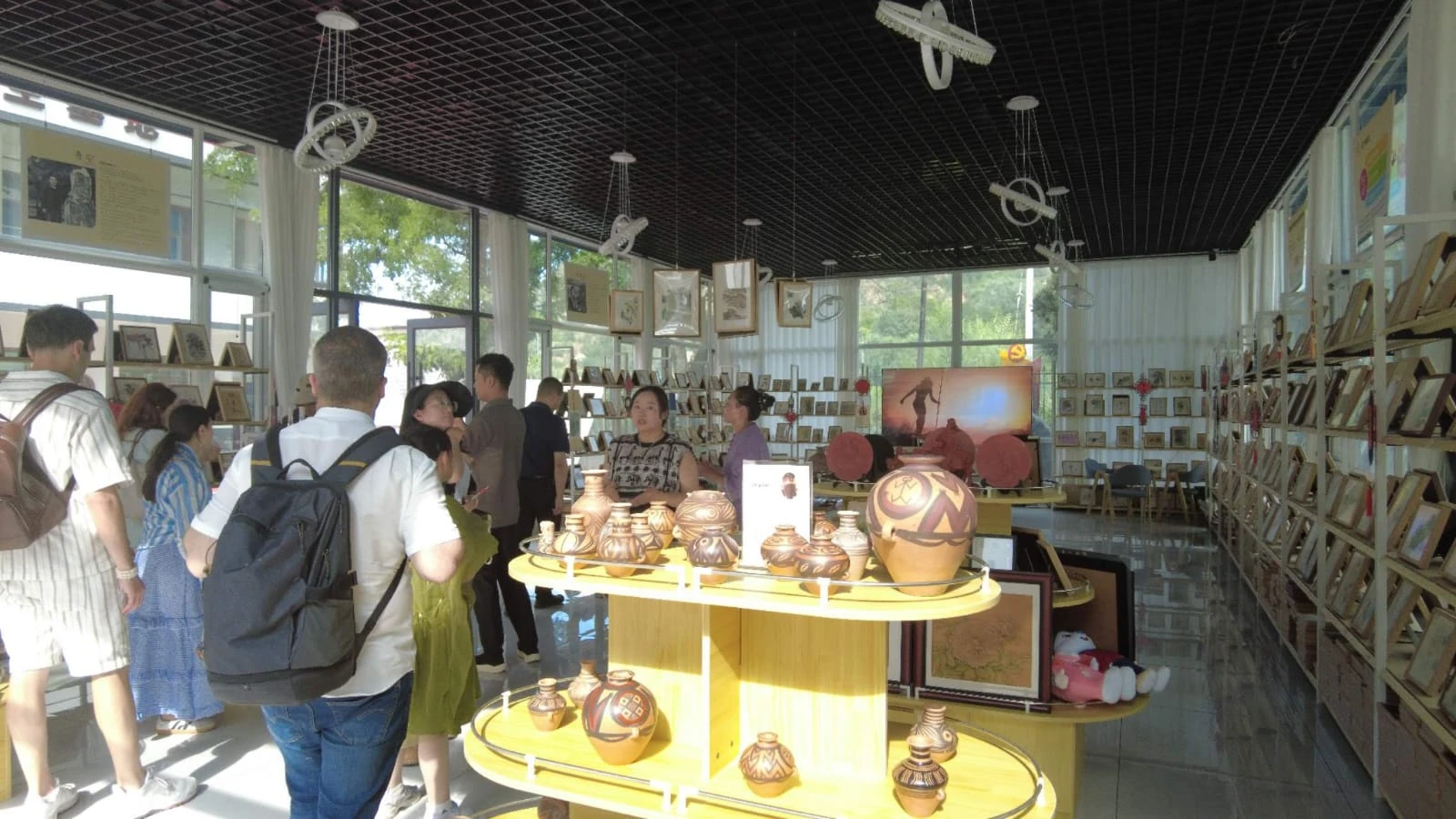
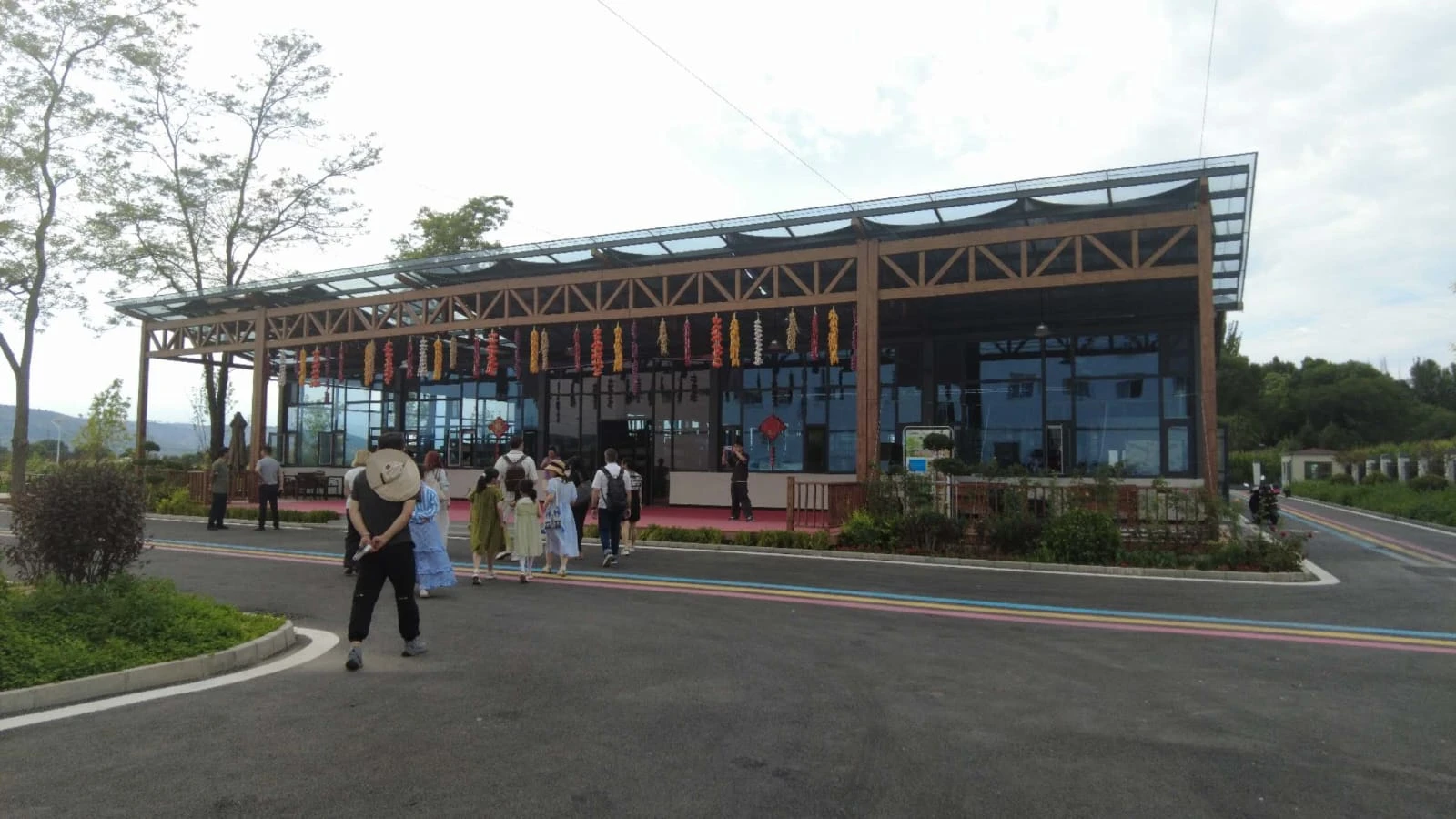
While the neighboring village of Majiayao has become a world center of archeology, Shuqiu has become an extremely popular art resort and creative ecotourism center, operating under the brand name Longshan-Bali Xiangsu.
Here are the main features thanks to which this village is making a splash in Chinese travel blogs today:
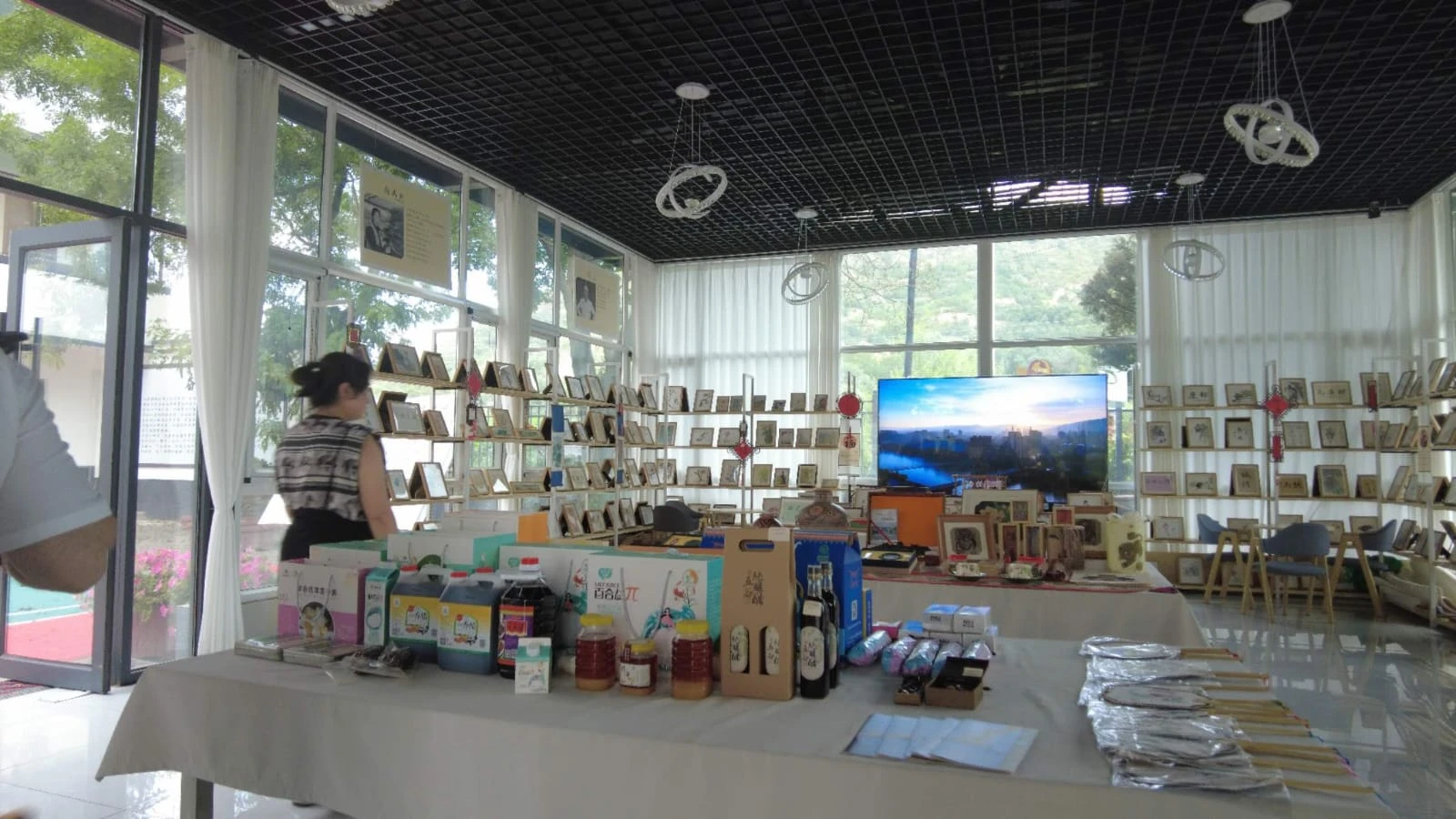
1. The “community vegetable garden” project
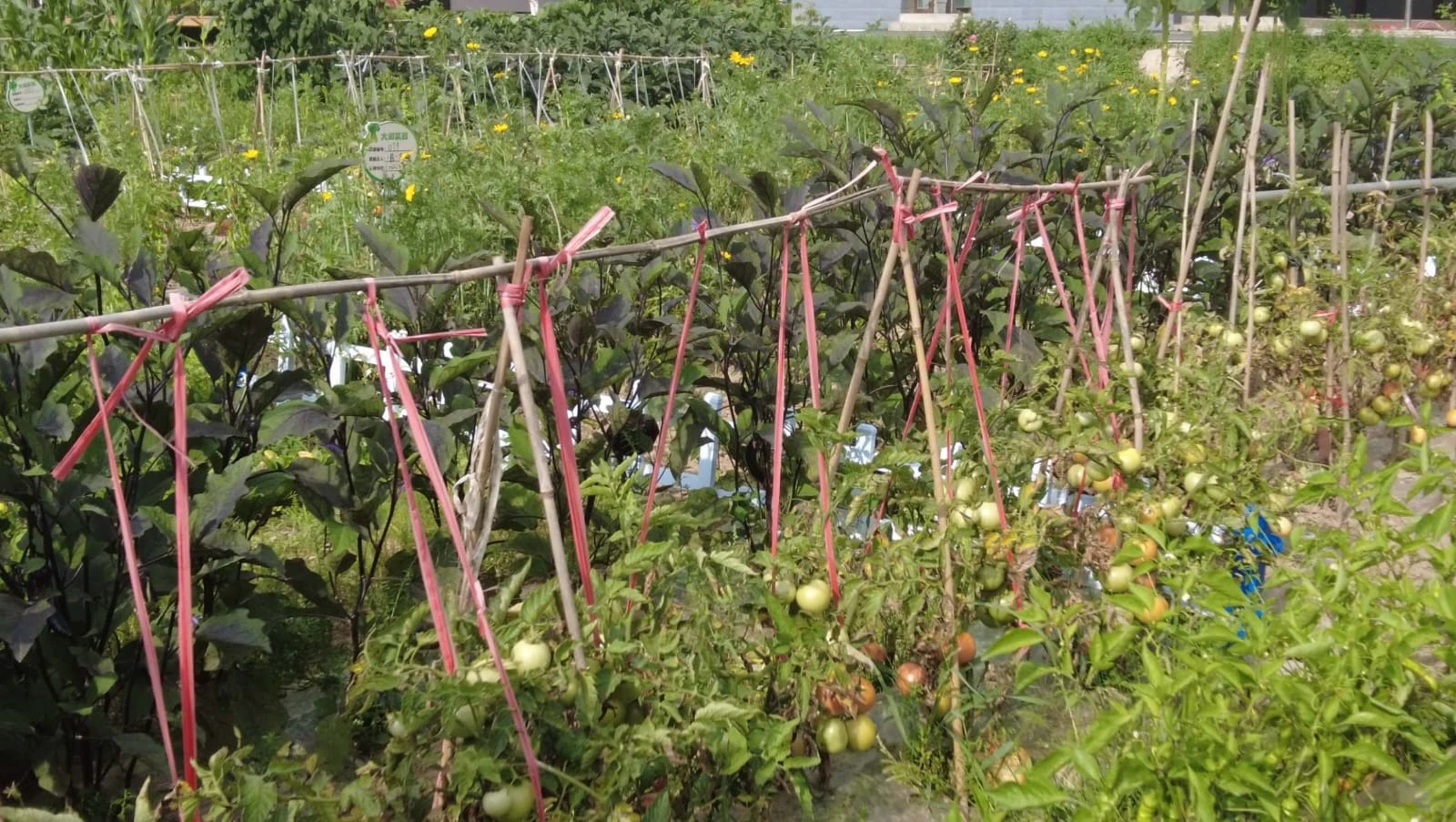
Local authorities and cooperatives have transformed more than 100 mu (about 7 hectares) of vacant land in the village into perfect mini-gardens, with each about 15 square meters. Residents of large cities—for example, neighboring Lanzhou—can rent such gardens for a year. On weekends, city dwellers come here with their children to feel like farmers, and on weekdays, local villagers take care of the crops. The most appealing thing, however, is that in the middle of these well-groomed gardens, cozy tents are set up, where the Vegetable Garden Hot Pot restaurant operates. Tourists can pick fresh greens or vegetables from the gardens and cook them in boiling broth right there.
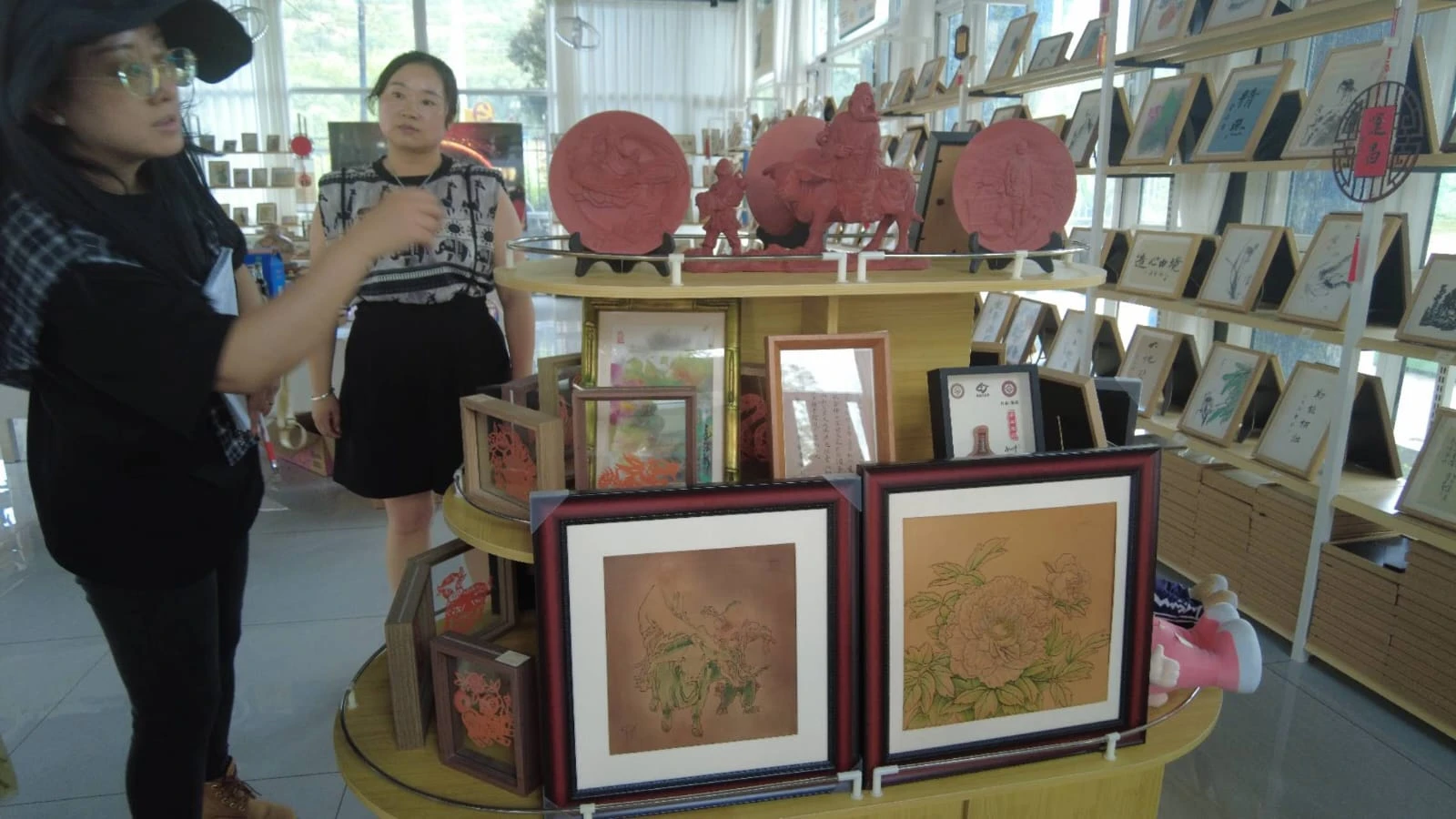
2. Art residencies and village galleries
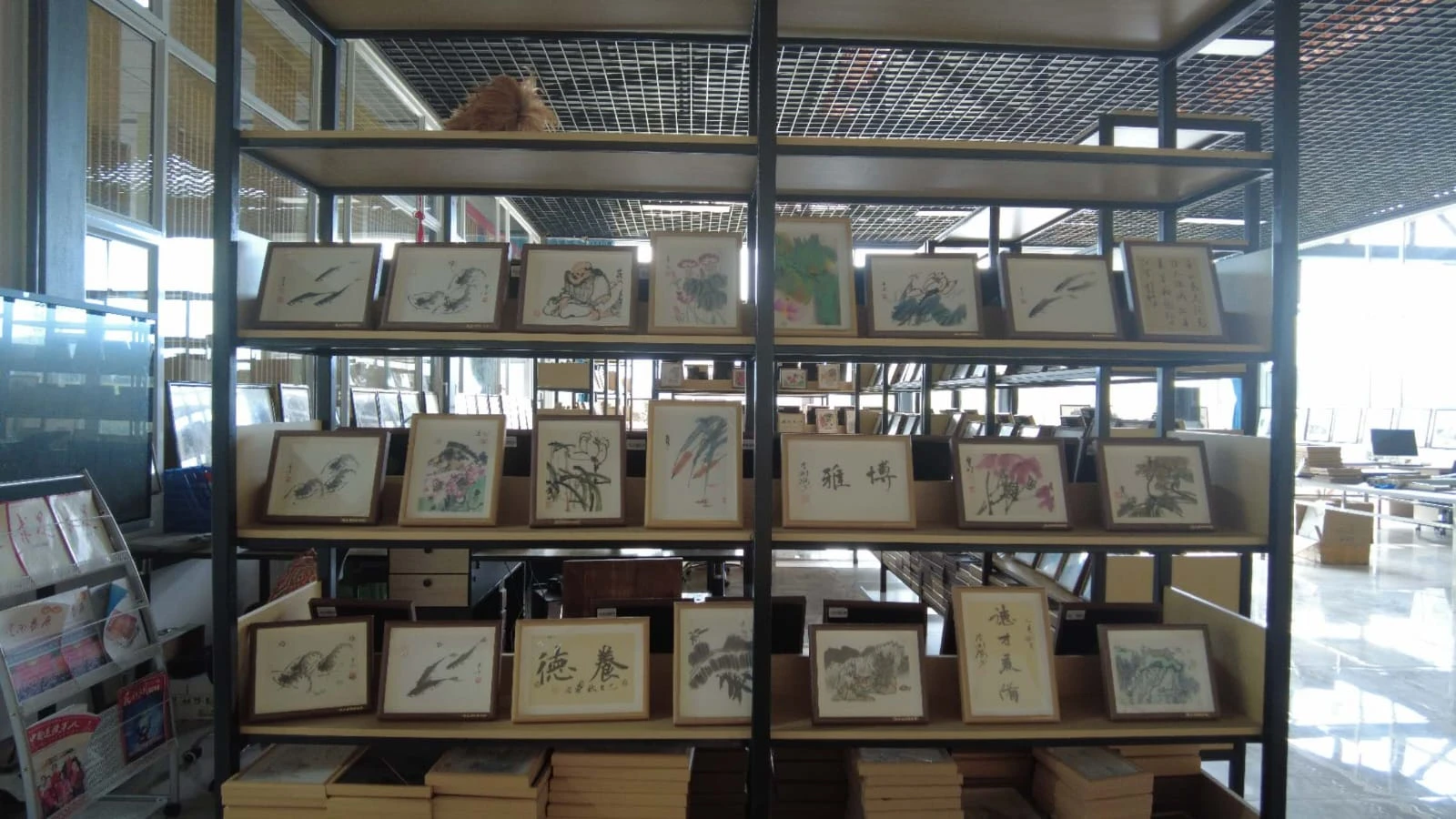
The old, abandoned, or empty mud houses and courtyards of the locals are not demolished here. The village attracts professional artists and calligraphers from all over China, including members of the China Artists Association. The houses are turned into “rural art museums” and open studios. The artists live here, are inspired by the landscapes of the Taohe River, and create paintings, and signs like “micro-calligraphy workshops” appear on the walls of the locals’ houses, where tourists can buy artwork directly from the artists. Thanks to this, Shuqiu has become a major center for student plein-airs and artistic practice.
3. Shared consumption economy
Shuqiu village works with the smart model of “Company + Rural Community + Cooperative + Farmer.” Residents transfer their empty houses and plots to the management of a tourism company, receiving dividends in return, and also earn income by working as a guide, gardener or cook. In general, we can say that Shuqiu is a modern “hipster” village-art studio. People come here in search of the aesthetics of life outside the city: to spend the night in a designer ethno-hotel, enjoy “hot-pot” in the middle of the fields, pet the pets in the contact zones, and watch exhibitions of modern painting in a unique Chinese rural environment.