make preferable
Maria Asatryan reporting from Beijing
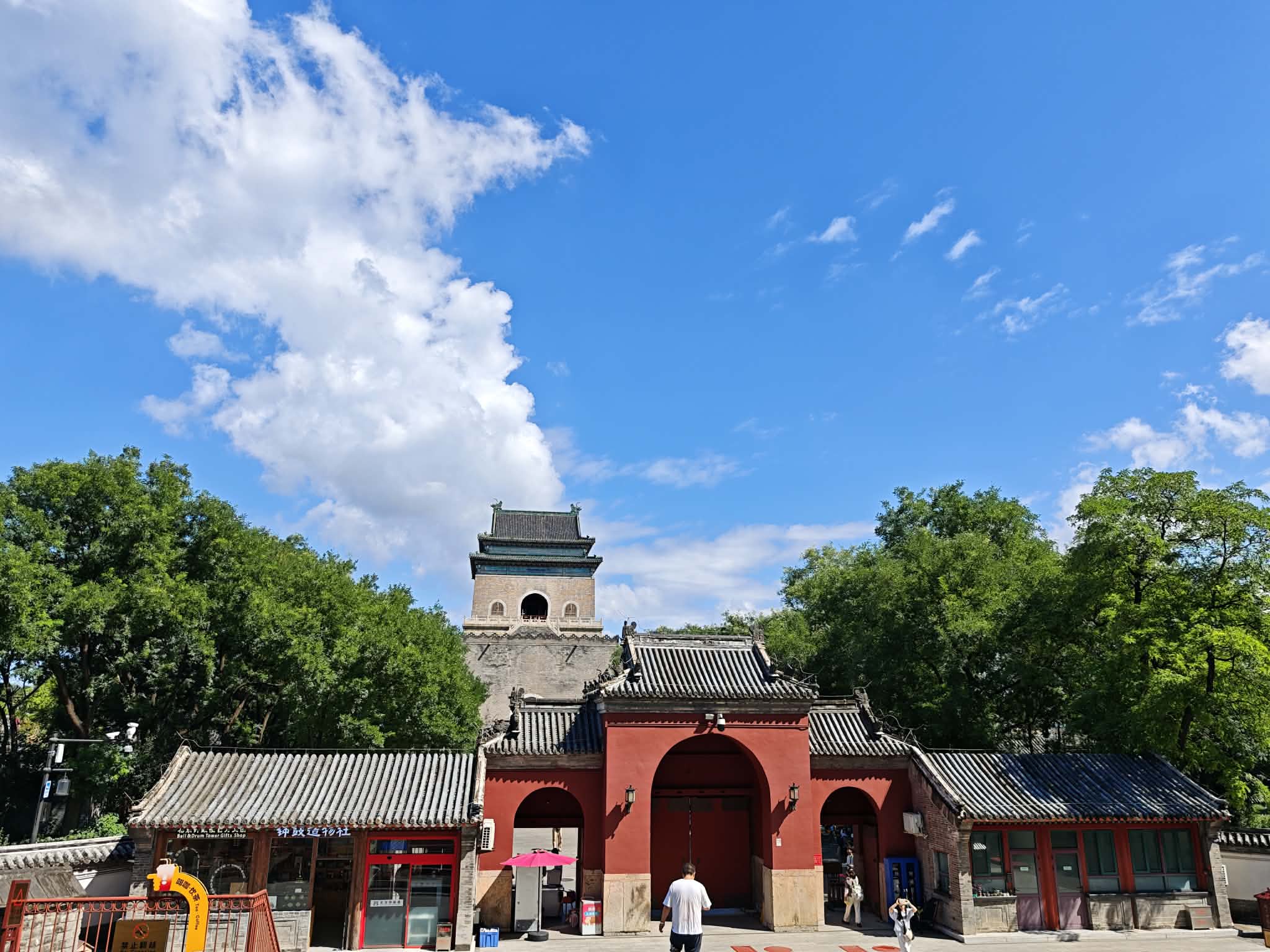
The Drum Tower, or Gulou — 鼓楼, is not just a museum piece, but a truly living pulse of ancient Beijing. This iconic landmark in the Dongcheng district seems to be specially created to amaze. It is located at the northern end of the central axis of the old city, north of Qianmen Street, and captivates with its grandeur at first glance.

Imagine for a moment: 1272, the era of the Yuan dynasty, the reign of Kublai Khan. A tower is being built in the capital of Dadu, which at that time was proudly called the "Tower of Correct Governance" (Qizhenglou) and symbolized the seven celestial bodies: metal, wood, water, fire, earth, sun, and moon. Centuries pass, and the history of the tower is enriched with new chapters: In 1420, during the reign of the Yongle Emperor, it was moved further east, and in 1800, during the reign of the Jiaqing Emperor, a large-scale reconstruction was carried out. Here, every stone seems to whisper about the past.

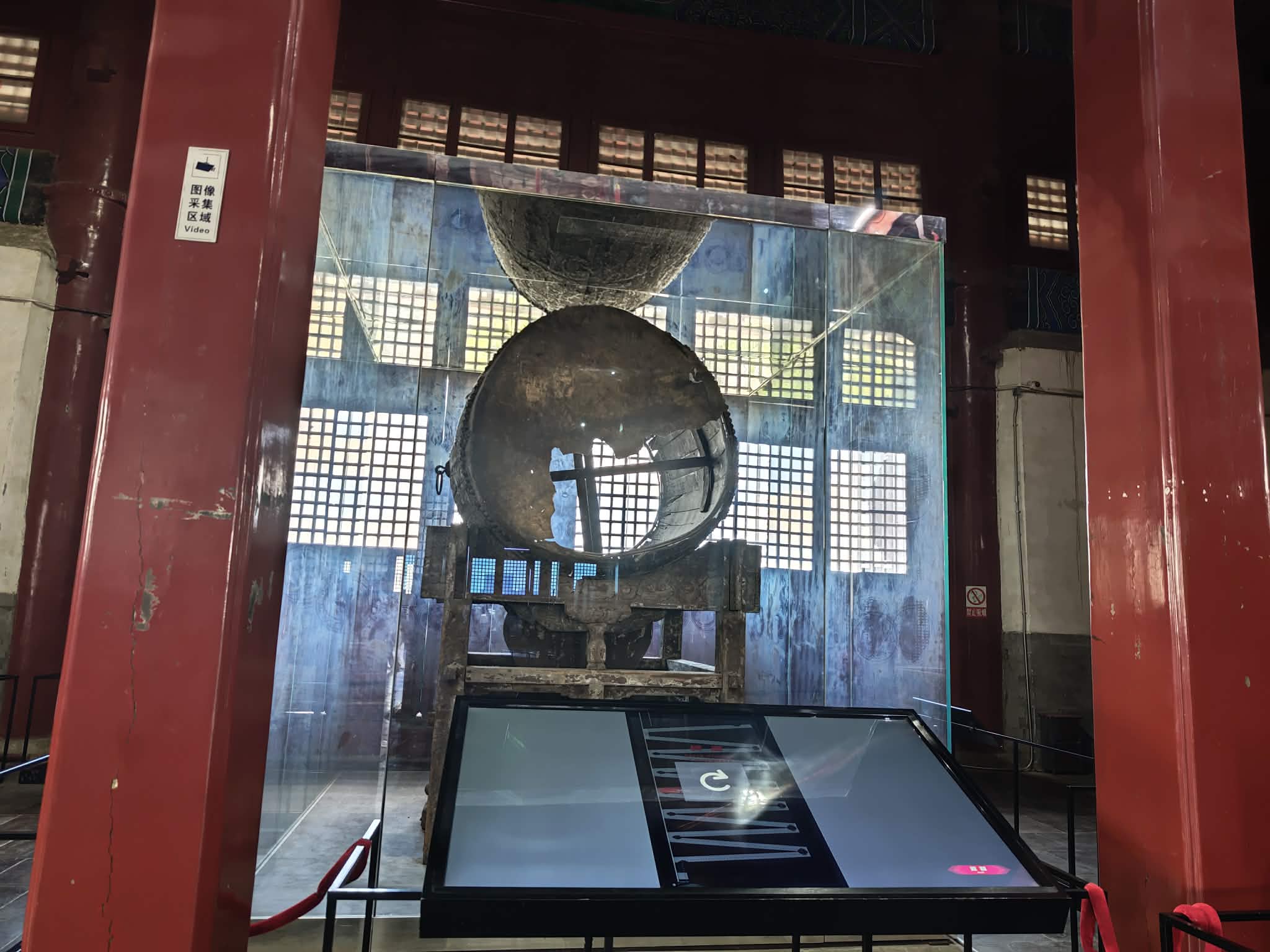
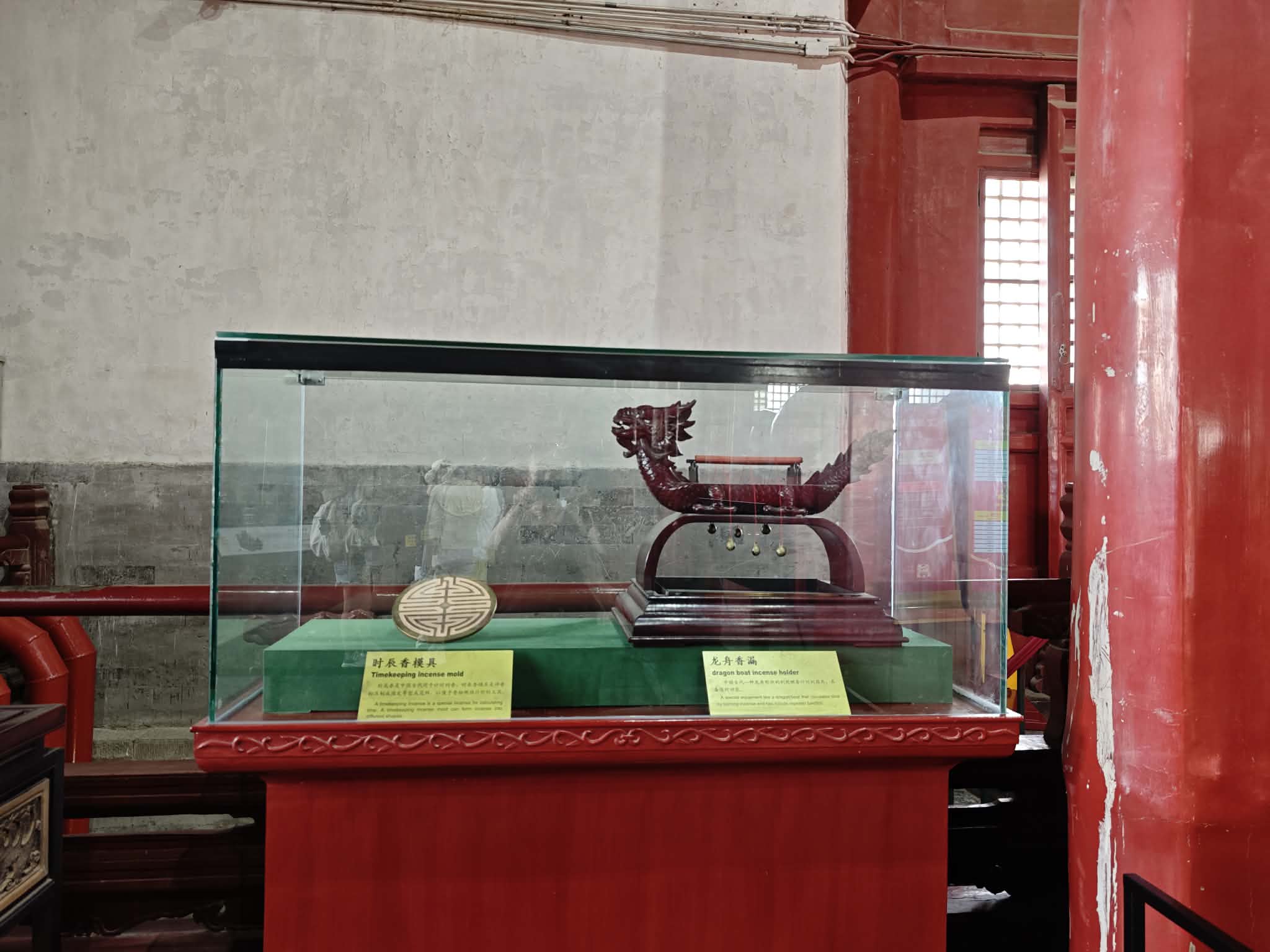
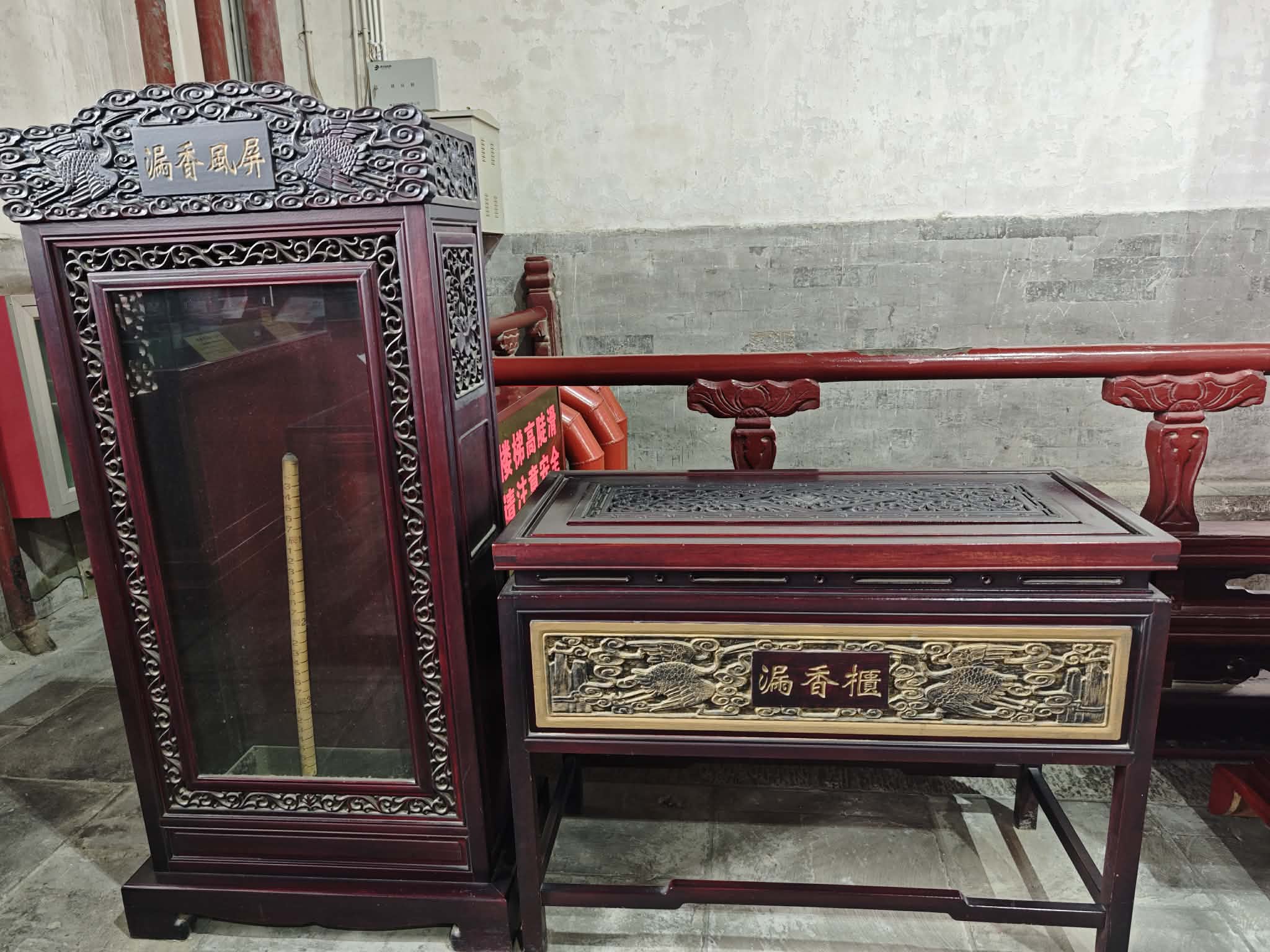
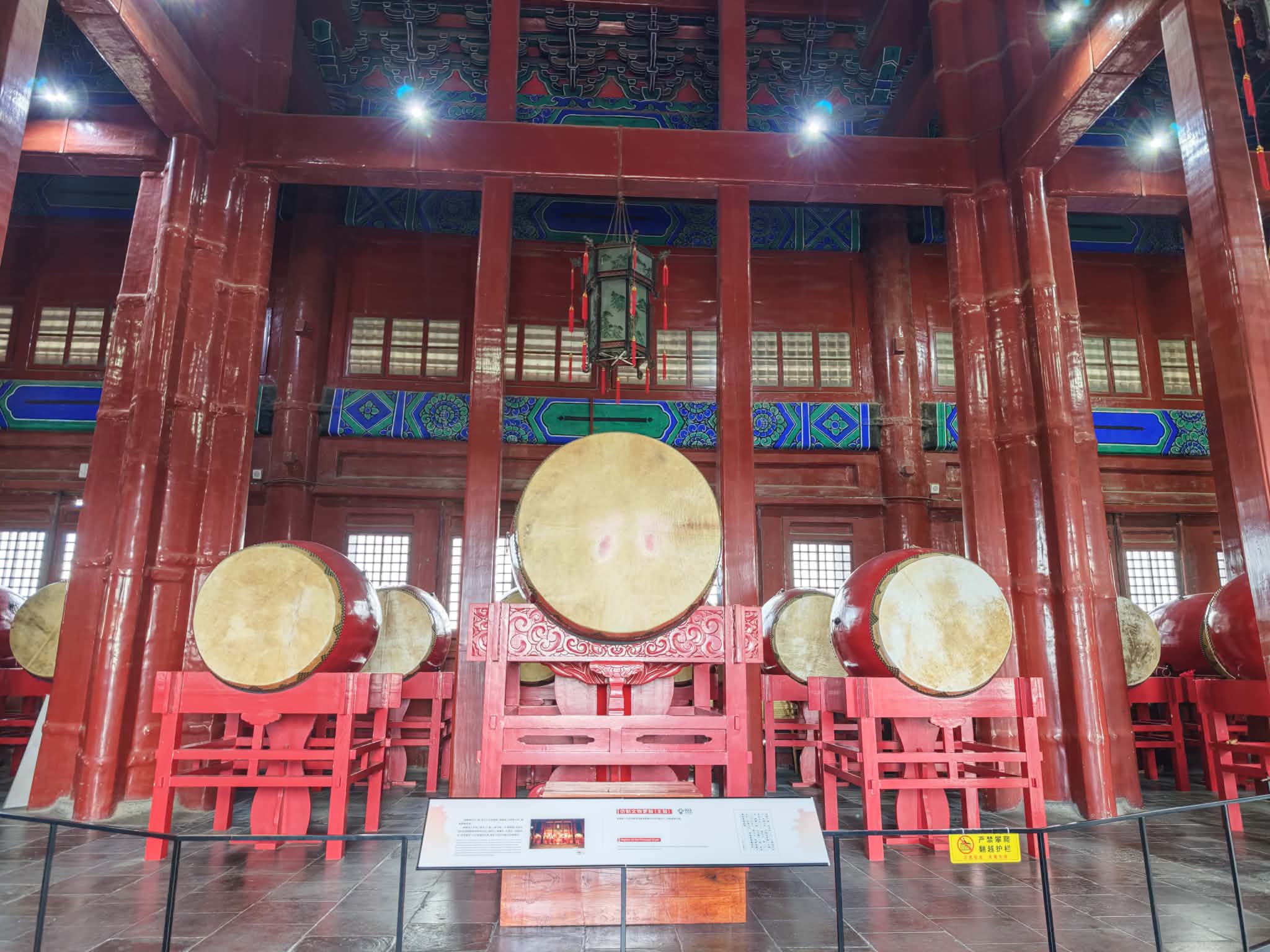
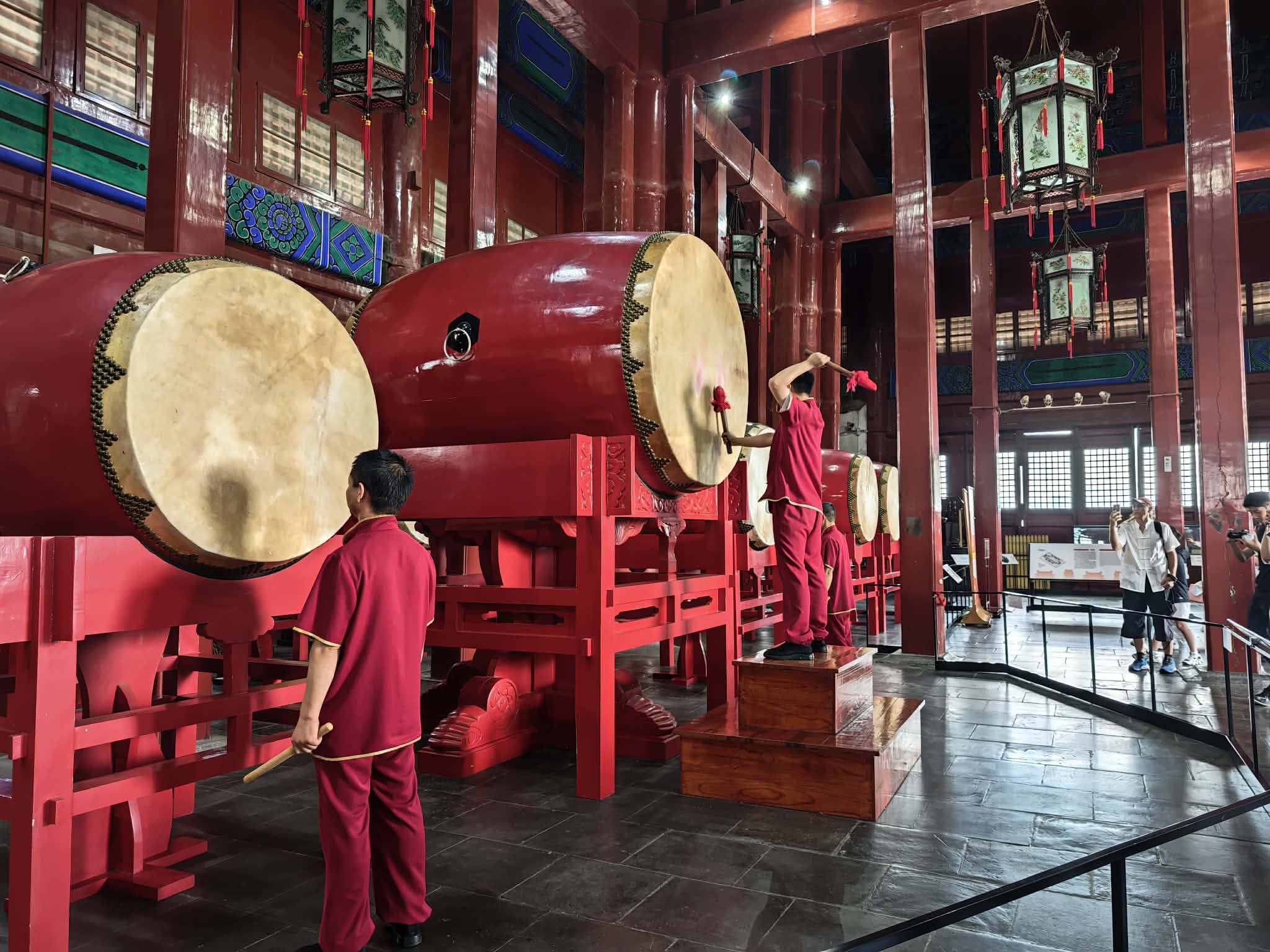
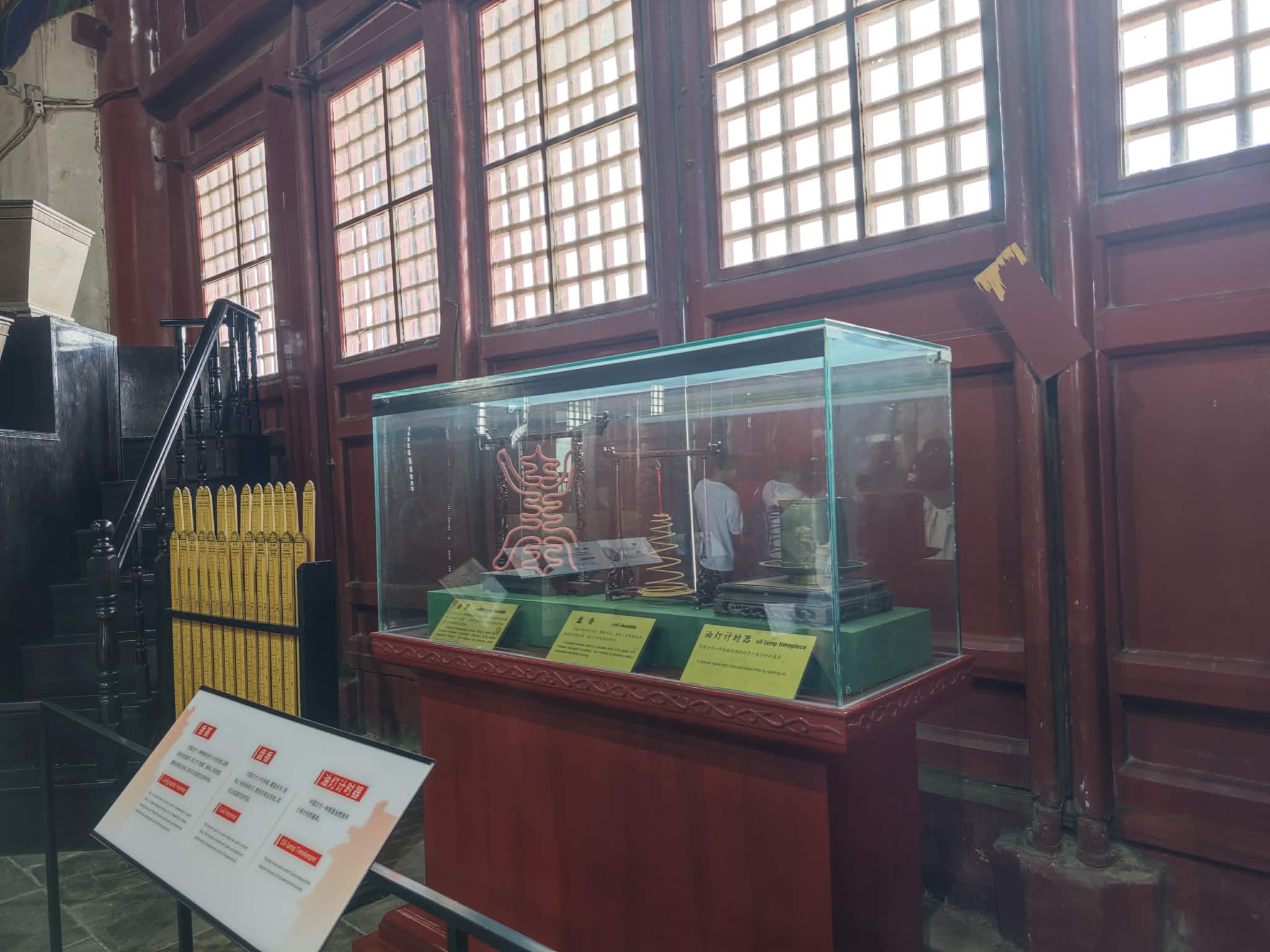
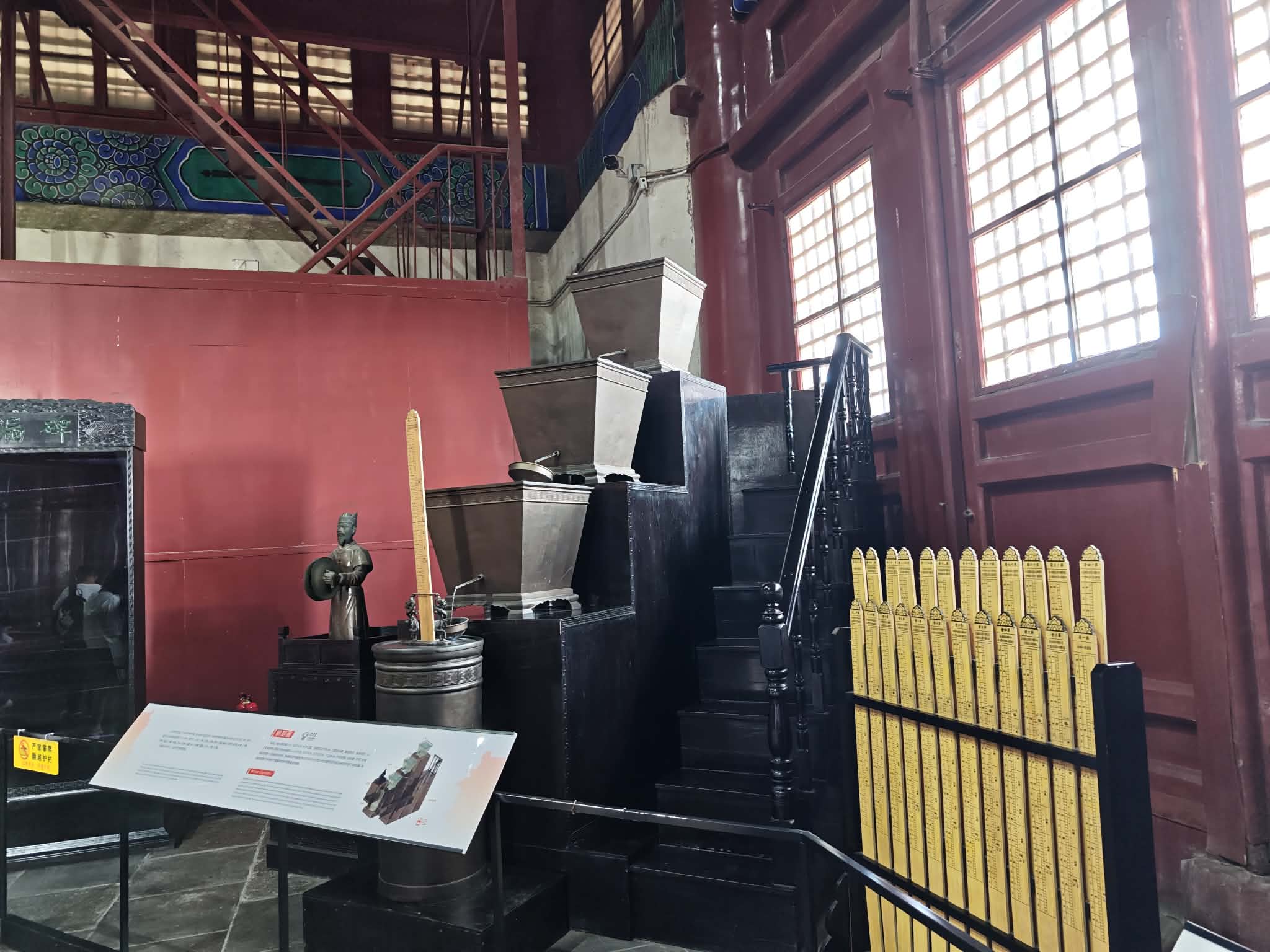
And how did this ancient “clock service” work? At first, a bronze water clock—according to tradition, created back in the Song dynasty—between which hung a huge bronze gong: it signaled the time every fifteen minutes. Then they were replaced by smoking ropes—a cunning system of “hourly fragrance.” But the main “sound” of the tower continued to be the drums. Exactly 25 drums: one large one—a symbol of the year, and 24 small ones—the number of solar seasons. During the Qing dynasty, 13 strikes were sounded at exactly 7pm, and the people called it “setting the time with a clock,” and even officials used these sounds to check their time. Today, only one drum has survived from the entire collection, made of bull skin, one and a half meters in diameter. It is like a silent guardian of history among its recreated brothers.

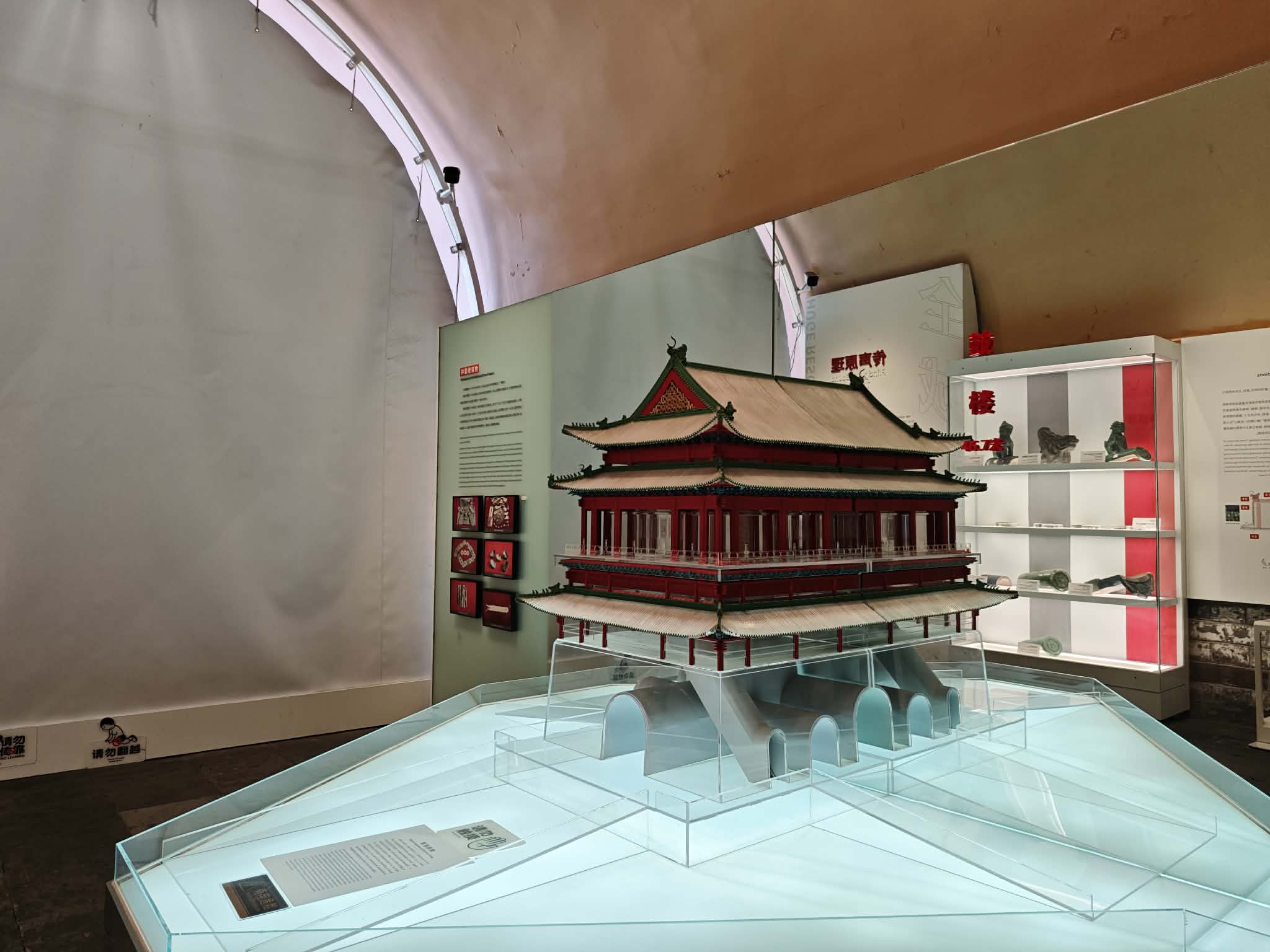
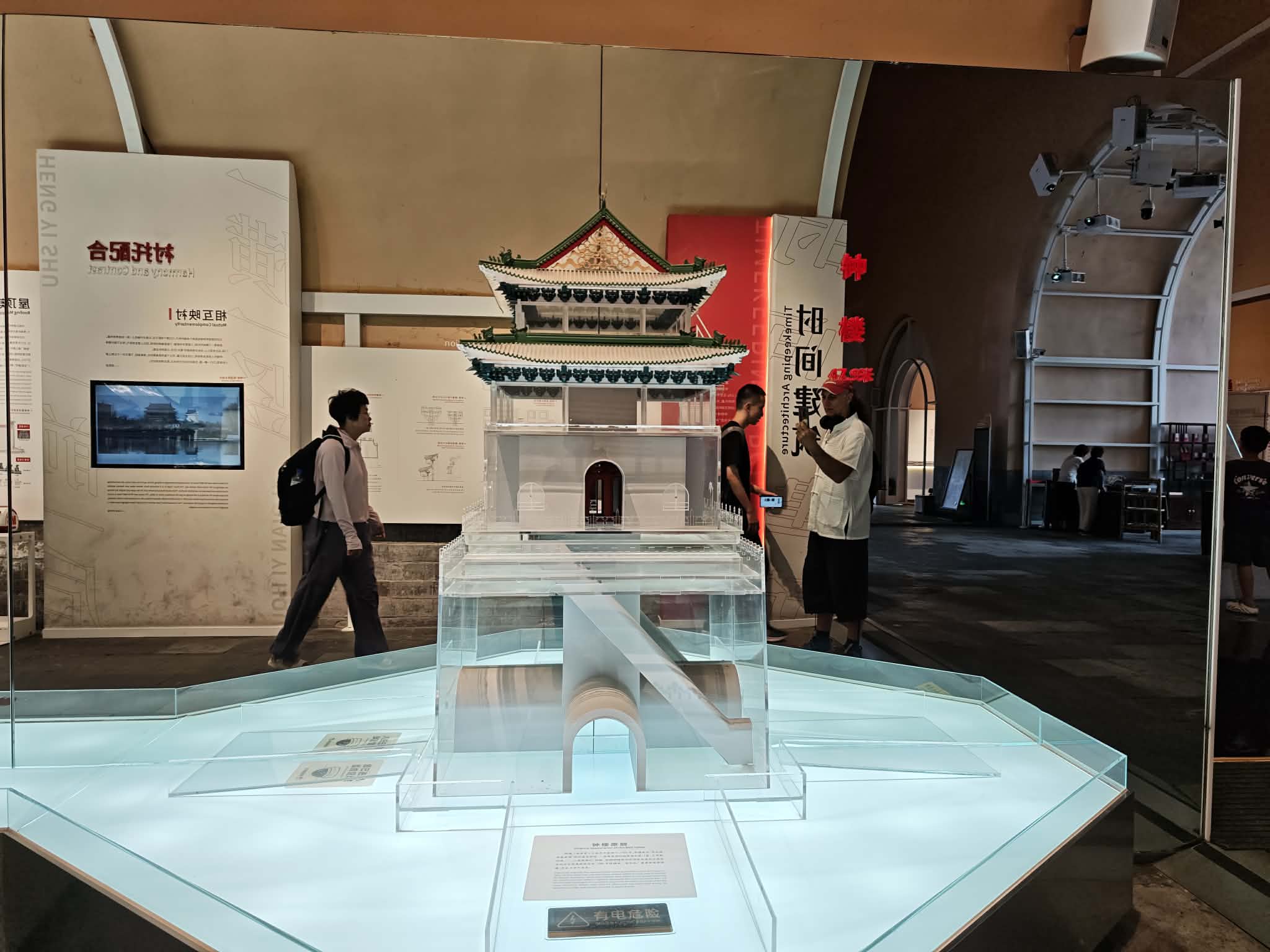
The tower itself is a masterpiece of traditional architecture: a nearly 47-meter-high two-story wooden building on a powerful stone foundation. Red walls, a yellow hipped roof, double cornices, gray tiles with green glaze… The first floor is an impressive square terrace—55.5 by 30 meters, 4 meters high—with three arched entrances. Looking at it, it is easy to believe that time flows differently here.
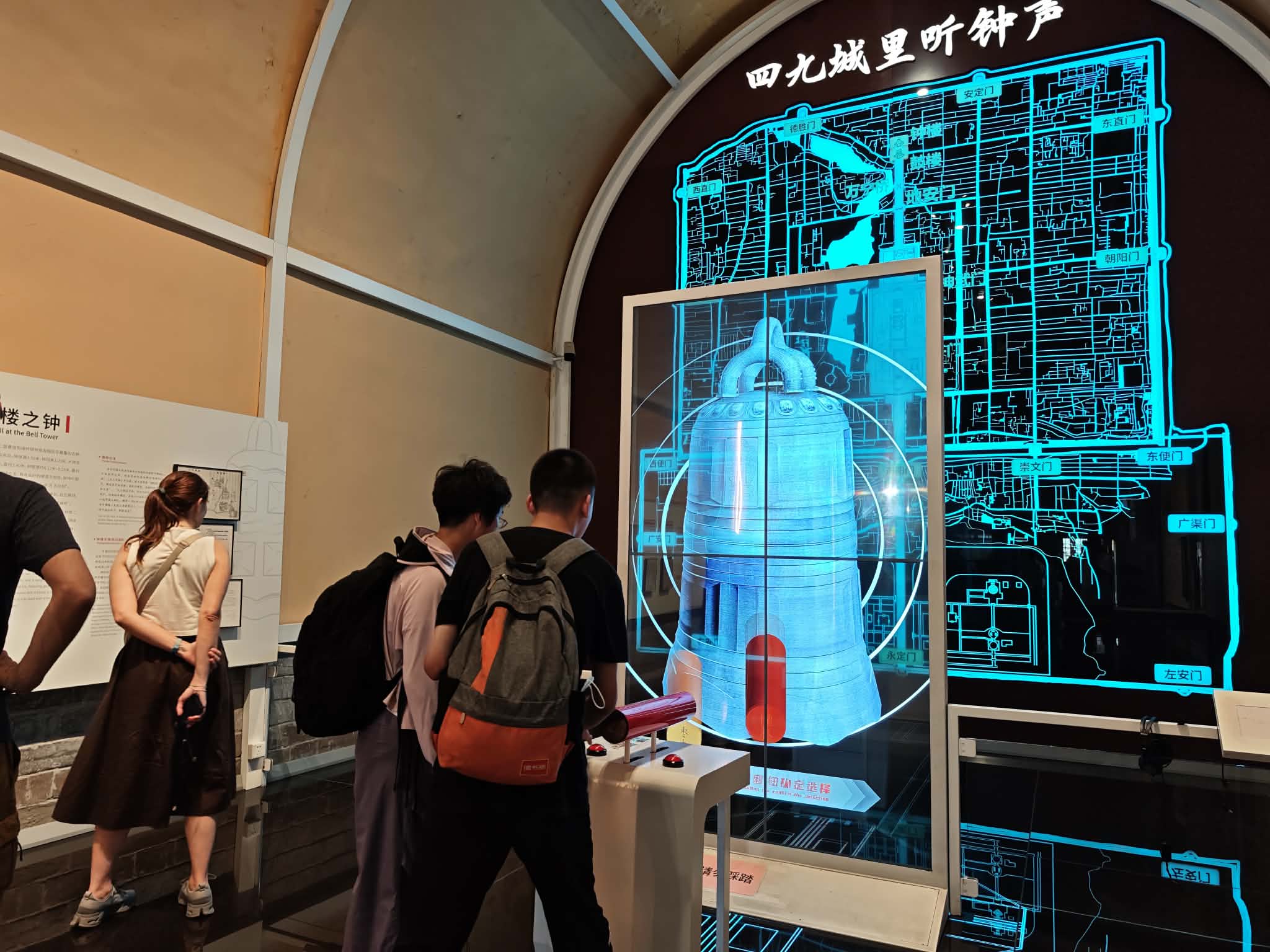
But the most interesting thing begins when you get inside. On the first floor there is a whole exhibition of ancient timekeeping methods: sundials and water clocks, devices for scenting. And then comes that very moment: every hour a drumming show sounds. And this is where the real magic of this place is revealed. On the day of our visit, the tower and its surroundings were literally boiling with energy; crowds of people were flocking to the platform so as not to miss the performance. Cultures and generations had mixed here: foreigners with cameras at the ready, Chinese who had come with their entire families, all frozen in anticipation. When the first beats spread across the square, a shiver ran through my body; this rhythm seemed to connect us with those who had heard these same sounds hundreds of years ago.

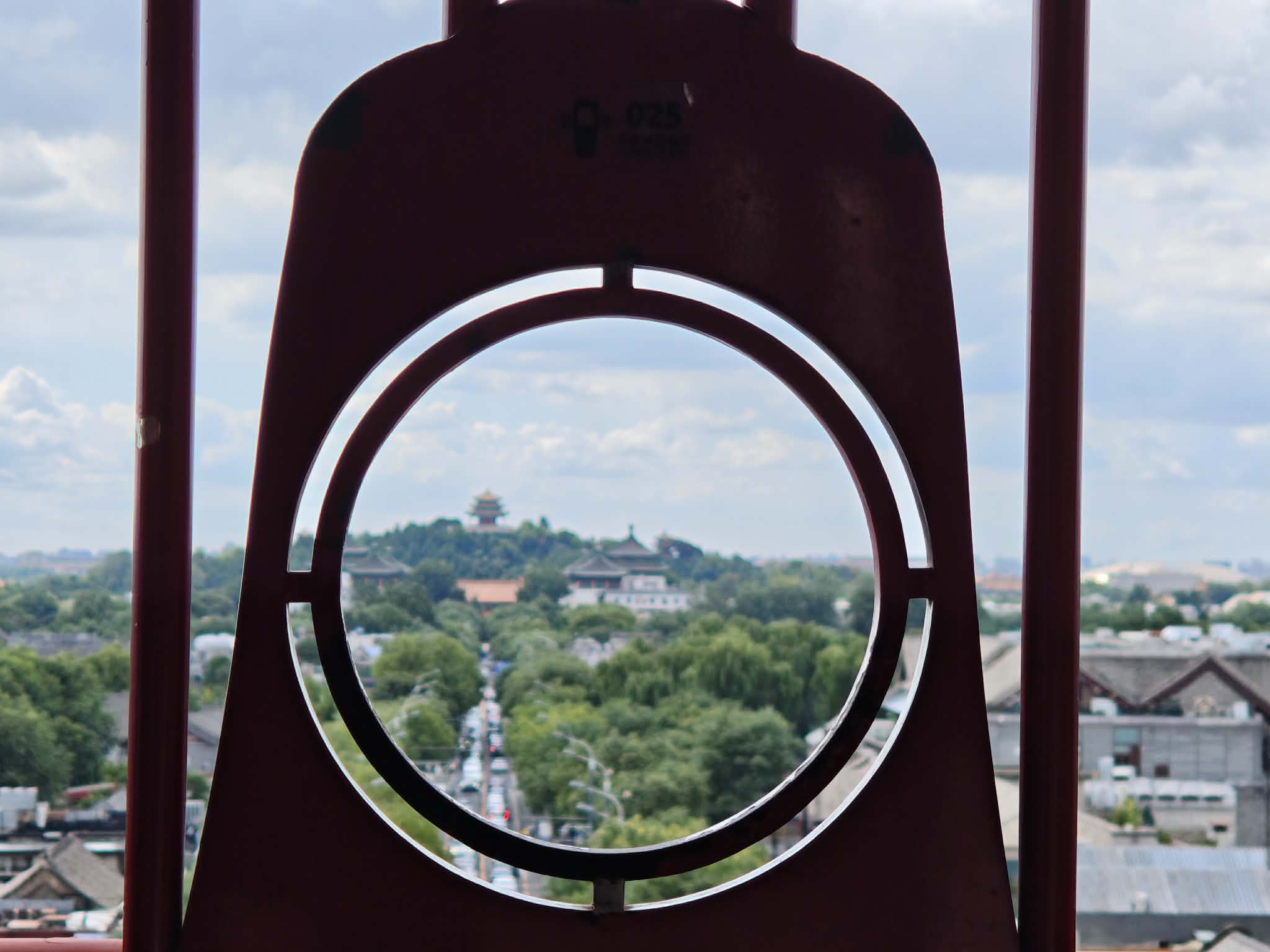
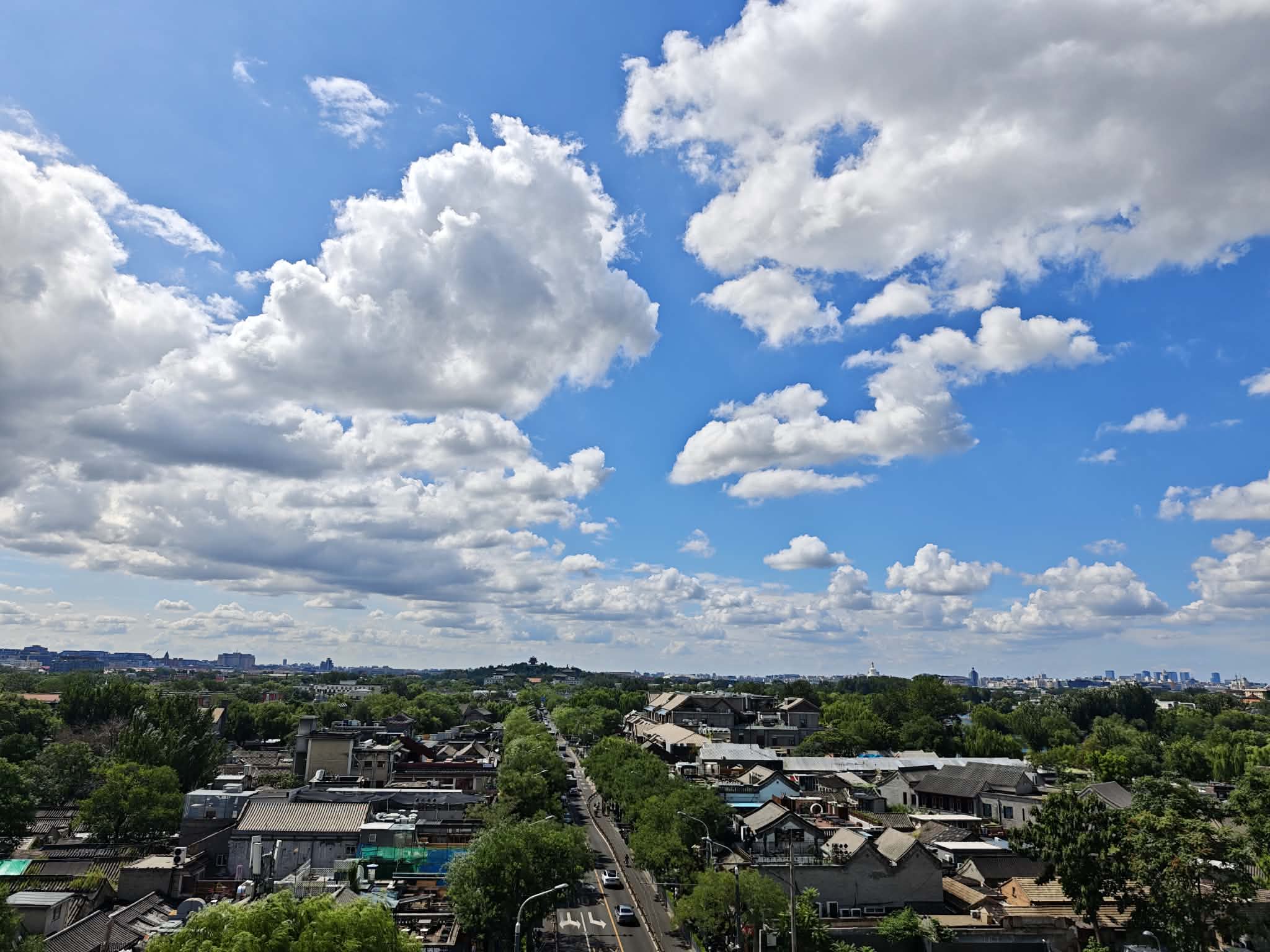
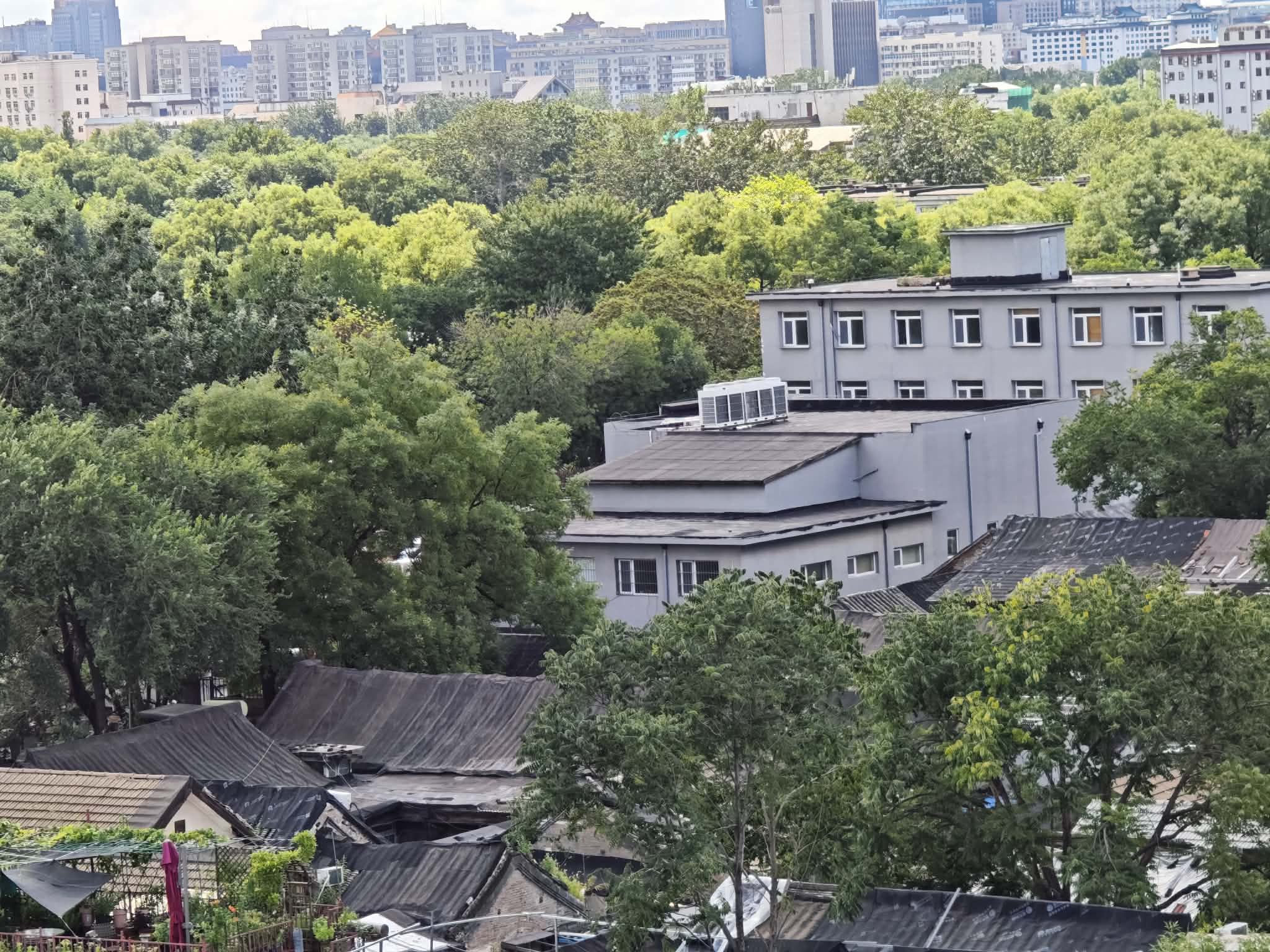
The climb to the top of the tower is a quest in itself; the steep stairs really test your endurance—but the view is worth it! From the top floor, a panoramic view of the old city opens up: winding hutong-like alleys, roofs of houses, and very close to it is the outline of the Bell Tower. It seems that you can reach out and touch history.
And below, between the two towers, life is literally in full swing. There is always movement here: elderly couples slowly dance around, young people play traditional games, children run around among adults, and street musicians add their notes to this city orchestra. The air is filled with the aromas of street food, laughter, and conversations. Here the past is not frozen in stone, but lives, breathes, and rejoices together with people.

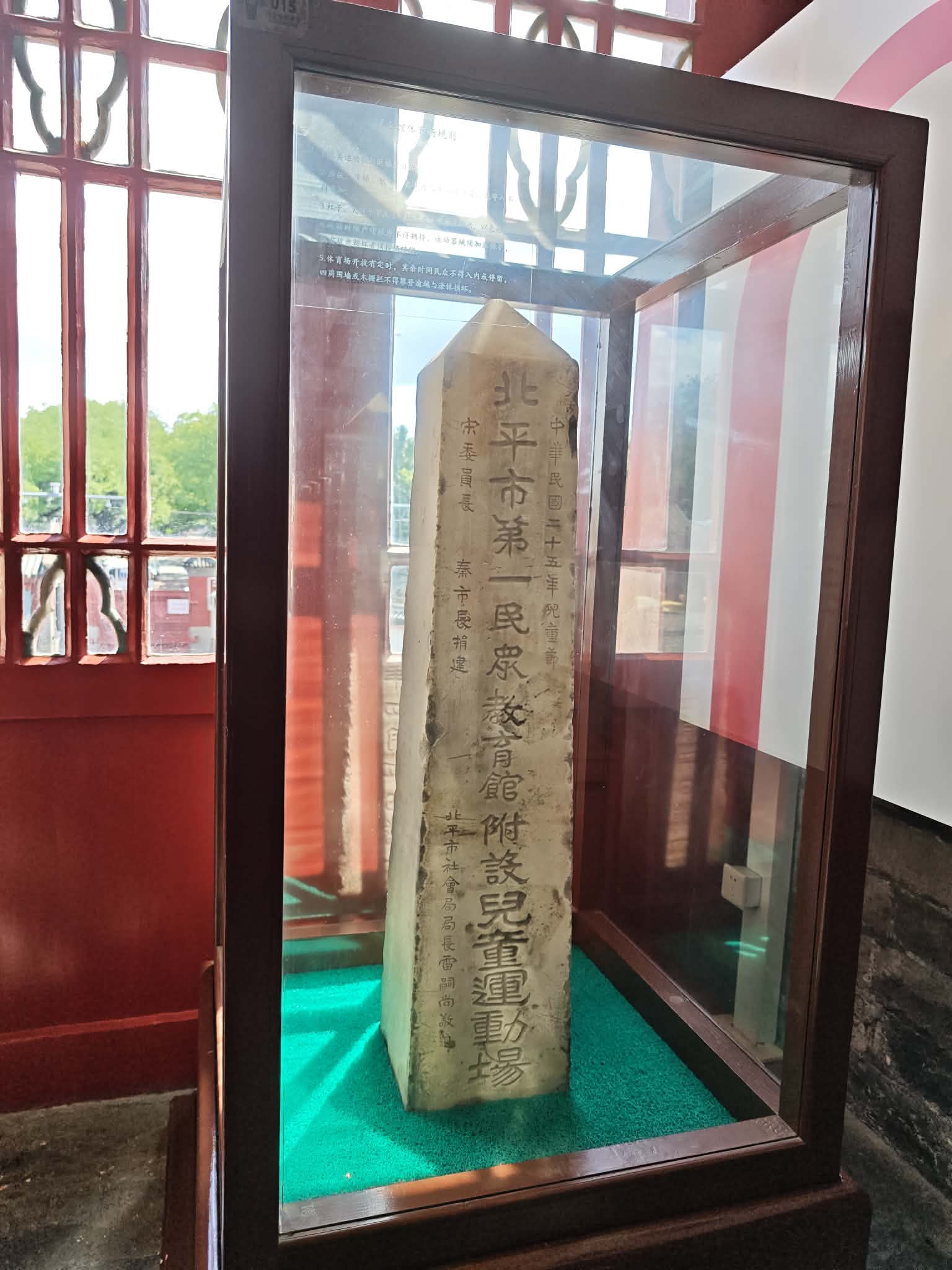
In 1924, the era of “drum time” was replaced by Western methods, and the tower was renamed the “Tower of Conscious Shame” (Míngchǐlóu, 明耻楼). But it seems that it is not upset by the changes. Since 1996, the complex has been a facility of state importance, and today the upper floor serves as the Eastern Region Cultural Hall. And while digital clocks now count time, the Drum Tower still continues to dictate its own unique rhythm, reminding us that history is not just numbers and facts, but living feelings, voices, and the people who listen to them.