make preferable
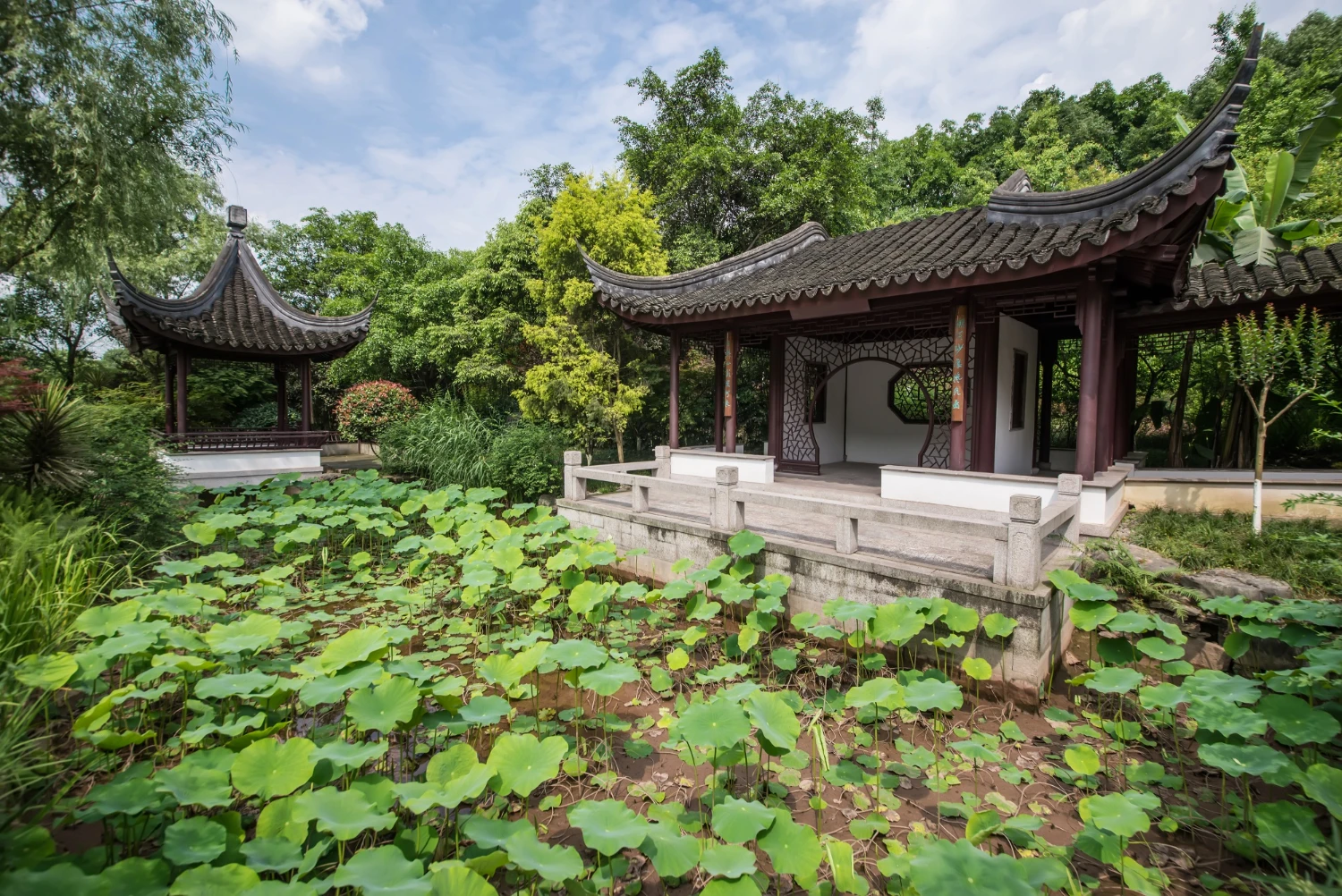
Beijing has more than 1,130 parks, and forests cover 45% of the Chinese capital’s territory, Beijing Vice Mayor Wen Xian said at an event marking Beijing Day at the China Pavilion during COP17 in Yerevan.
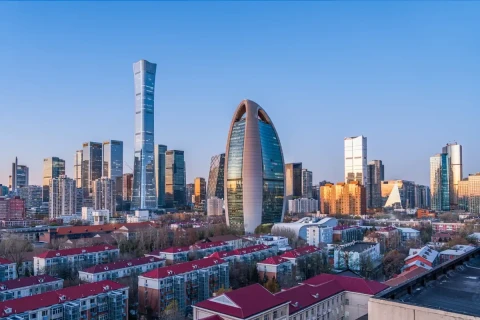
Addressing the event, Wen said Beijing had made biodiversity conservation one of its priorities in urban governance, seeking to combine economic development with environmental protection. The city has a population of more than 20 million and covers an area of 16,400 square kilometers.
Over the past five years, Beijing’s economy has grown by an average of 5.2% annually, with economic output exceeding $740 billion, Wen said. At the same time, air quality has improved, aquatic ecosystems have been restored, and the city’s overall environmental conditions have continued to improve. The United Nations Environment Programme previously praised Beijing’s progress in tackling air pollution as the “Beijing Miracle.”
According to Wen, ecological protection zones cover 27.5% of Beijing’s territory, while protected areas account for 19% of the city’s total area. Beijing has also established more than 700 natural areas of various types to strengthen biodiversity conservation.
Beijing is home to 527 wild bird species, accounting for more than one-third of all bird species recorded in China, Wen said. Populations of rare species, including the Beijing swift, black stork and brown-eared pheasant, have increased, while leopard cats and red foxes have been spotted more frequently in the mountains surrounding the city.
The city has also expanded its ecosystem restoration efforts, including projects to reconnect rivers and restore wetlands. Beijing’s total wetland area has reached 612 square kilometers, while restoration work on the Yongding River, Chaobai River and North Canal has helped improve the city’s aquatic environment.
Wen highlighted the Liangma River waterfront as an example of how ecological restoration can contribute to urban renewal by combining environmental improvements with public spaces and a better quality of life for residents.
He also emphasized the importance of public participation in biodiversity conservation. Beijing has published a white paper on biodiversity protection and designated sites where residents can explore the local natural environment and learn about its biodiversity.
Beijing’s experience demonstrates how a major city can pursue economic development while strengthening environmental protection and improving residents’ quality of life, Wen said.