make preferable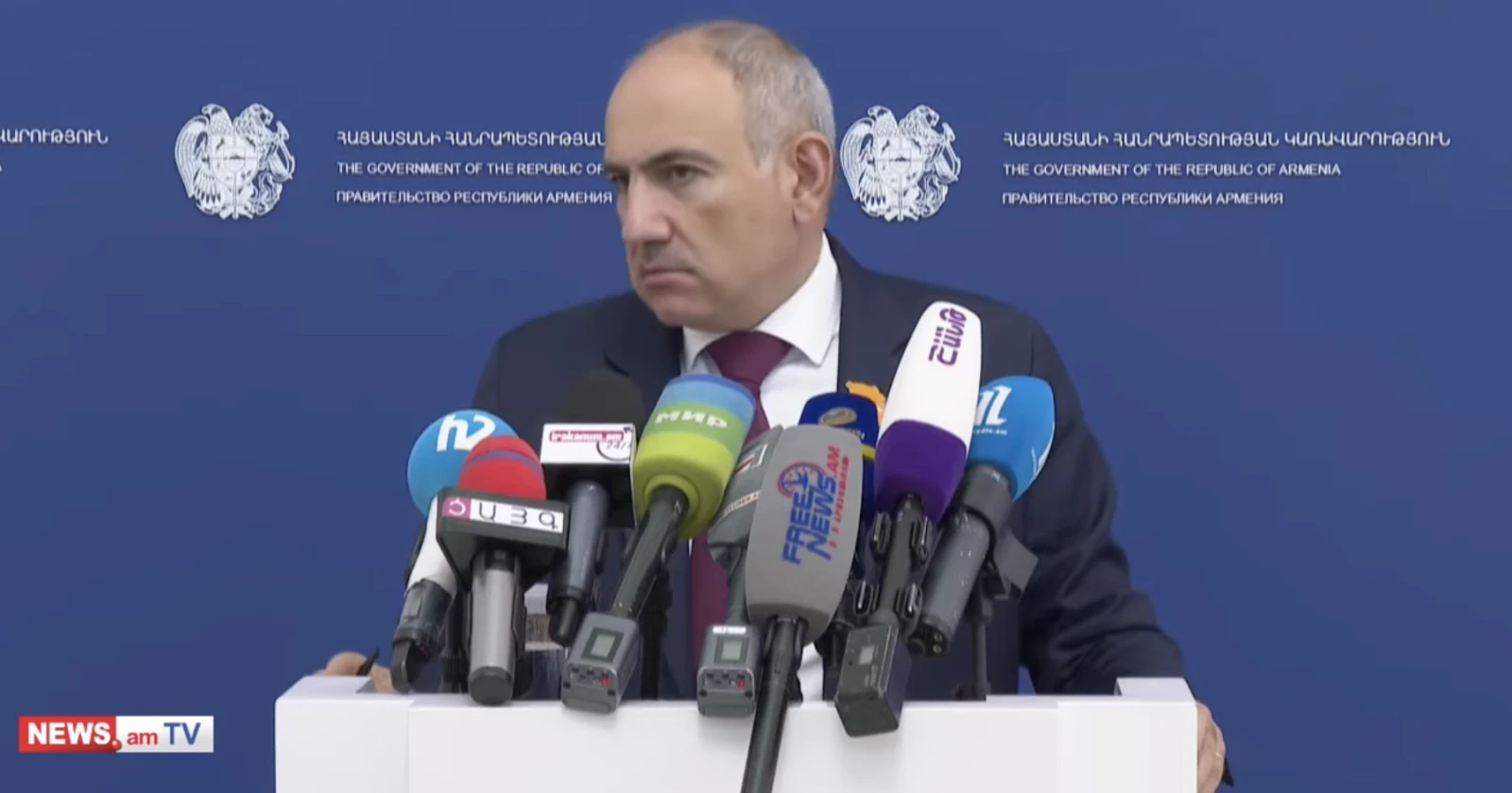
The key elements of Armenia's balancing policy are the diversity of foreign policy vectors and the diversification of ties, and the statements of foreign partners reflect natural international dialogue, Armenian Prime Minister Nikol Pashinyan said at a press briefing Thursday.
Responding to a question about integration processes and the position of the other Eurasian Economic Union (EAEU) member countries on Armenia’s European integration, Pashinyan called on not to view the respective statements by Armenia’s EAEU partners as ultimatums.
"The statement by the leaders of the [other] EAEU countries on supporting the idea of holding a referendum [in Armenia in this regard] is not a demand, but a friendly gesture. The argument that a referendum is necessary at a certain phase belongs to us [i.e. Armenia]. We are pleased that the [EAEU] partners share this position and do not oppose Armenia's European agenda. In international relations, states always mark their interests, and this is a natural process," the Armenian premier said.
He noted, however, that the main difference between Armenia’s current course and its previous policy is that single-direction has been replaced by full-fledged multi-vector cooperation.
“Previously, we [i.e. Armenia] had strategic cooperation in only one direction [i.e. Russia]. Today, we are building and developing relations with Georgia, China, France, the Netherlands, Kazakhstan, and other states. Balancing [policy of Armenia] is observed also in the military-technical sphere: if previously 85-90% of [this] cooperation fell on one country [i.e. Russia], now we work with dozens of partners. Equipment and weapons from seven different countries were displayed at the May [military] parade, which visibly reflects this diversification,” Pashinyan noted.
The Armenian prime minister added that similar principles of diversification are applied also in the economic sphere, where a balanced approach is already showing tangible results.