make preferable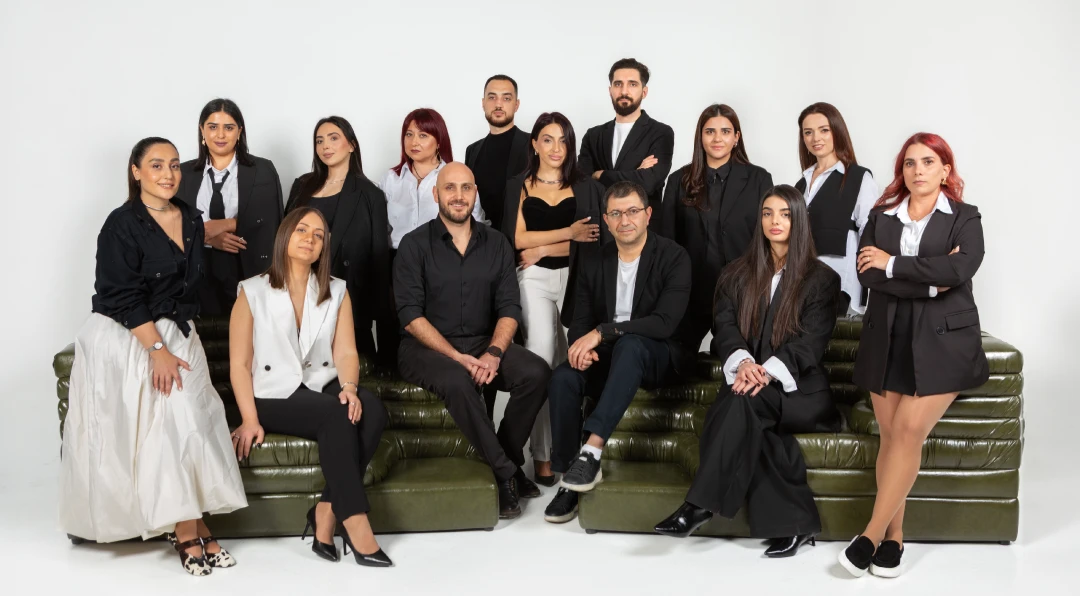
International expansion in digital marketing is not simply about opening offices in new countries. It tests whether a company can transfer its expertise across different cultures, business environments and media ecosystems—without assuming that one market’s formula will work everywhere.
For Prodigi, that journey began in Yerevan in 2017. Тhe company now brings together over 50 specialists who serve medium and large businesses both in Armenia and in international markets. In parallel, the company is constantly developing its own advertising technologies.
Today, Prodigi’s international activity has two distinct directions. Its agency team, headquartered in Armenia, works with clients in markets including the United States, United Kingdom, Canada and Australia. At the same time, Native Network, Prodigi’s proprietary advertising platform, operates through dedicated local teams in Armenia, Uzbekistan and Kyrgyzstan.
This distinction is central to the company’s international strategy: Prodigi exports agency expertise globally, while Native Network develops locally connected advertising infrastructure across Central Asia.
Building an International Business from Armenia
Prodigi was founded with the objective of building an Armenian digital company capable of competing beyond its home market.
The agency’s capabilities now cover performance marketing, social media, SEO, web development, analytics, design, creative and video production. Its client portfolio is concentrated primarily among medium-sized and enterprise businesses in industries including banking, FMCG, automotive, telecommunications, aviation, healthcare, real estate and technology.
Prodigi’s experience includes work for companies and brands such as Porsche, Pepsi, DNV, Bayshore HealthCare and AtkinsRéalis.
The company has also implemented projects for public institutions and international development organizations, including UNDP, GIZ, World Vision, the United Nations, the Green Climate Fund, Armenia’s Ministry of Environment, Ministry of Health, Yerevan Municipality and Tourism Committee, as well as the UAE General Civil Aviation Authority.
Its first international project was delivered for HowStuffWorks. This was followed by projects for companies in North America, Europe and other global markets, requiring the agency to develop processes for managing work across different languages, time zones and business cultures.
“International growth taught us that expertise can be centralized, but communication and execution cannot be standardized blindly. Every market has its own expectations, cultural references and ways of building trust. Our role is to preserve strategic quality while making the work feel genuinely local,” says Aida Vopyan, CEO and Co-Founder of Prodigi.
Why Localization Is More Than Translation
One of the company’s most important lessons has been that localization is not limited to translating an advertisement.
Armenia, Uzbekistan and Kyrgyzstan differ in their cultural references, visual preferences, media habits and styles of business communication. The same message may create trust in one market but feel distant or irrelevant in another.
This is visible even in campaigns created for international brands. Companies such as Pepsi, BYD, Honor and Porsche adapt their creative materials, messaging, offers and media mix from one market to another. Maintaining global brand consistency remains important, but effective advertising still requires local interpretation.
Localization can influence the language and tone of a campaign, the people and lifestyles represented in its visuals, the balance between emotional and rational messaging, and the role of family, community and status in communication.
It also requires local teams to do more than translate centrally created ideas. They contribute market intelligence, cultural knowledge, publisher relationships and an understanding of local business expectations.
Native Network: Exporting Armenian Ad-Tech
Native Network was developed in Armenia as Prodigi’s proprietary advertising network.
In Armenia, the platform complements the agency’s full-service offering by allowing advertisers to place banner, video and interactive advertising formats across a network of leading local news, entertainment and specialist websites.
The platform addresses a practical market need: advertisers require an efficient way to reach audiences across multiple trusted publishers, while publishers need additional opportunities to monetize their content.
When entering Central Asia, Prodigi chose not to replicate its Armenian agency model. In Uzbekistan and Kyrgyzstan, the company operates Native Network as a localized advertising technology and media platform rather than providing Prodigi’s full range of agency services.
The regional teams focus on developing relationships with leading local publishers, building country-specific advertising inventory and providing banner and video advertising opportunities to local and international brands. Native Network also collaborates with advertising and media agencies as a technology and inventory partner.
Five Years of Native Network in Uzbekistan
Prodigi established its Uzbekistan operations in 2021 with a dedicated team in Tashkent. Native Network was publicly introduced in the country in 2022 as Uzbekistan’s first local native advertising network.
Its publisher portfolio has included leading news, entertainment and sports platforms such as Kun.uz, Daryo.uz, Nuz.uz, Darakchi.uz, Sports.uz, Xabar.uz and Aniq.uz.
Research presented by Native Network Regional Director Valeriy Akhverdyan at Tashkent Marketing Forum 2026 examined the role of local digital publishers. According to the presented data, Uzbek local platforms collectively reach approximately 17 million people. Around 93% of the measured audience is located in Uzbekistan, while up to 90% of traffic comes from mobile devices.
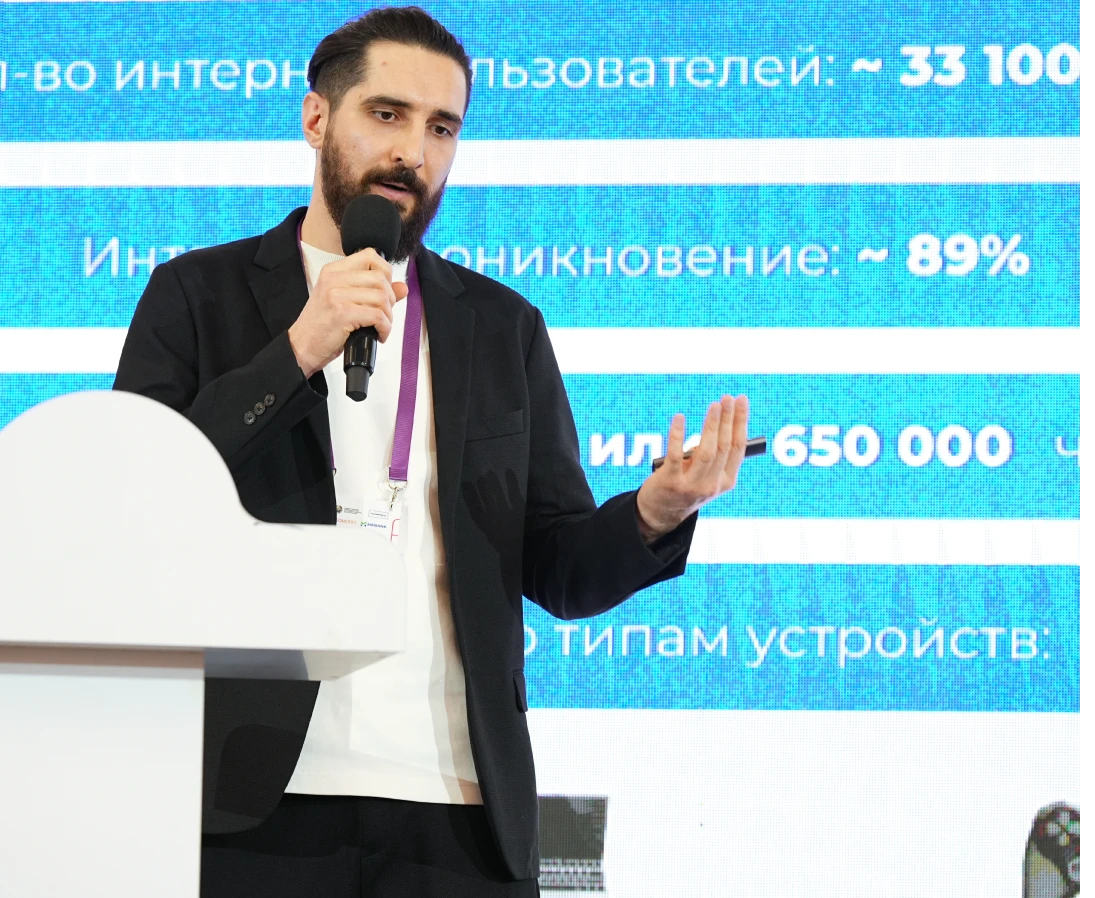
The value of these platforms is not limited to audience scale. Their native-language content, awareness of the local cultural context and established relationship with readers contribute to higher relevance and trust.
“Entering Uzbekistan confirmed that local media cannot be treated as secondary inventory. These platforms are part of people’s everyday information environment. Their language, cultural relevance and established trust give brands an opportunity to communicate with audiences in a context that already feels familiar,” says Valeri Akhverdian, Regional Director of Native Network in Uzbekistan and Kyrgyzstan.
After five years of operations, Native Network works with companies across financial services, telecommunications, automotive, FMCG, retail, aviation and technology. Its client and partner experience includes UZCARD, Mastercard, Ipak Yuli Bank, Artel, PepsiCo, Centrum Air, Mobiuz, OLX, Apple, Wildberries, BYD, Kia and Yandex.
The network also collaborates with advertising agencies operating in Uzbekistan, including McCann, providing their clients with access to local digital inventory and advertising formats.
Native Network is a member of the Uzbekistan Marketing Association and participates actively in the country’s professional community. It was a partner of TAF!25—the Tashkent Advertising Festival and, in 2026, partnered with the Digital Marketing section of the Tashkent Marketing Forum.
Entering Kyrgyzstan
Native Network officially entered Kyrgyzstan in January 2026.
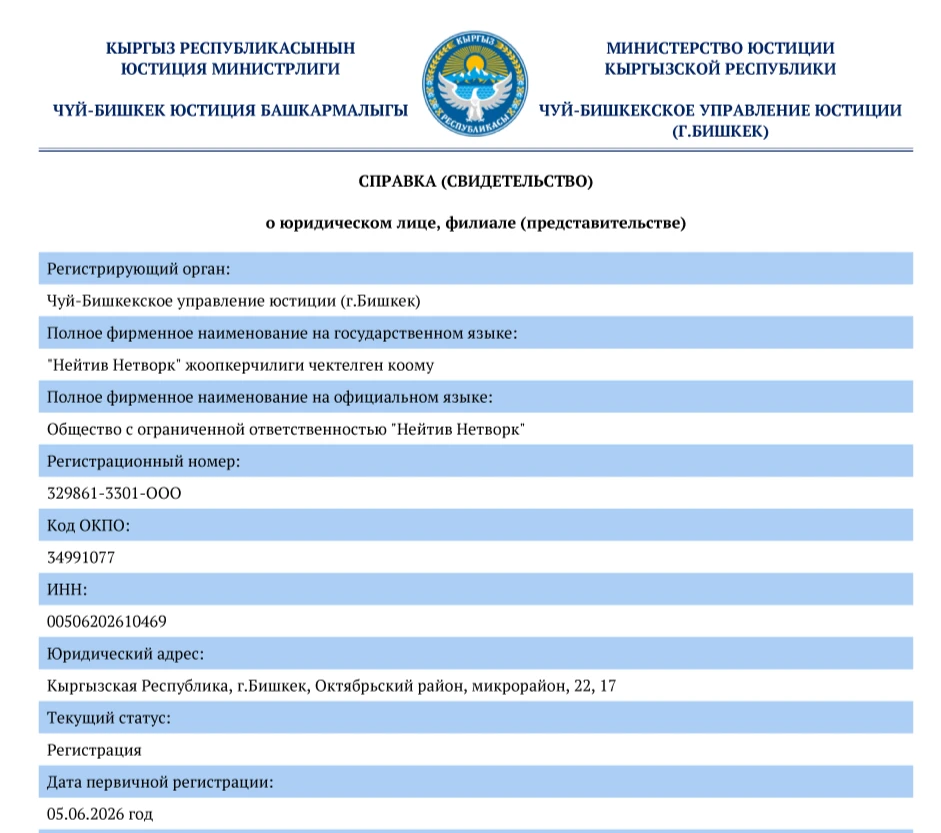
As in Uzbekistan, the business was launched as a local advertising network rather than as a full-service Prodigi agency. A dedicated three-person team began developing relationships with leading Kyrgyz news and entertainment websites and introducing the platform to advertisers.
Within its first year, the network started working with five major clients, including Mirinda.
The Kyrgyzstan operation combines Prodigi’s existing ad-tech infrastructure and regional experience with local professionals, publisher relationships and market knowledge. Its advertising inventory, commercial approach and communication are adapted specifically to the Kyrgyz market.
Although Uzbekistan and Kyrgyzstan are both part of Central Asia, they have distinct media ecosystems, audience expectations and business cultures. For Prodigi, achieving regional scale therefore depends on localizing both the technology and the way it is operated.
Recognition and the Next Stage of Growth
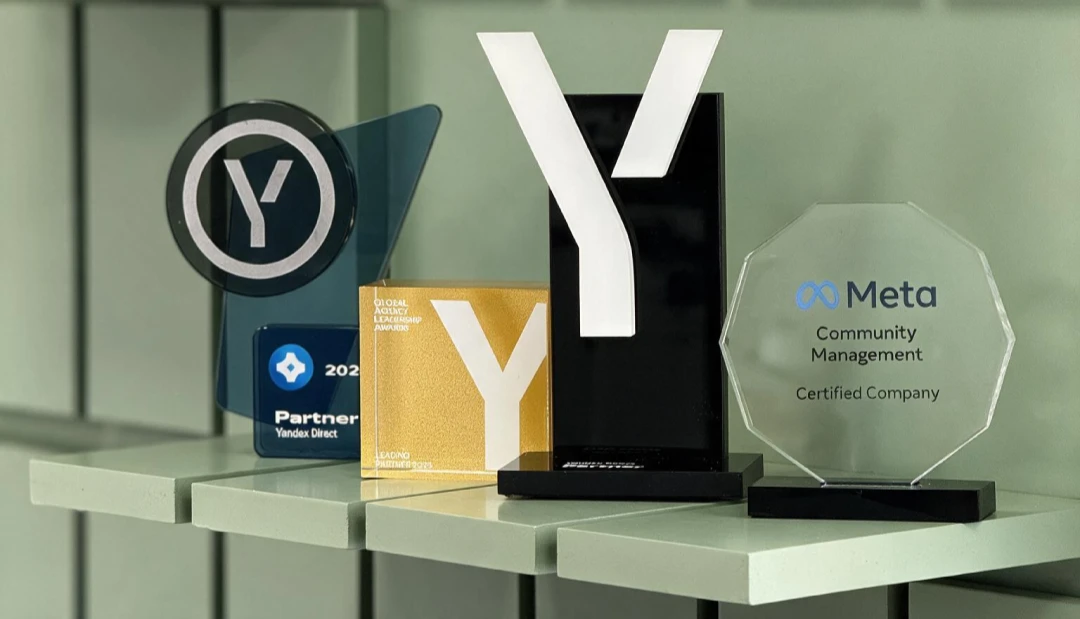
Prodigi is a Google Partner and has been recognized as a Yandex regional partner over multiple years.
In November 2025, the company represented Armenia at GALA 2025 in Bangkok, alongside leading international agencies and Yandex partners. Prodigi was the only participating agency from Armenia and received the Leading Partner 2025 award.
The company has also been officially recognized for its Meta community-management expertise. In Armenia, Prodigi continues to contribute to the development of the digital marketing industry through educational events, professional discussions and research covering paid media, local advertising networks, SEO, social media and artificial intelligence.
Prodigi’s expansion therefore combines two different models: a full-service agency based in Armenia and serving clients internationally, and a proprietary advertising platform developed through localized operations in Uzbekistan and Kyrgyzstan.
The agency business exports strategic, creative and technical expertise. Native Network exports advertising technology but rebuilds its publisher relationships, team and commercial model for every market.
“Our objective has never been to place the same company model in every country. We want to understand what each market genuinely needs and expand the part of our expertise that creates the greatest local value. In Armenia, that is a full digital ecosystem. In Uzbekistan and Kyrgyzstan, it is Native Network and locally connected advertising infrastructure,” says Aida Vopyan.
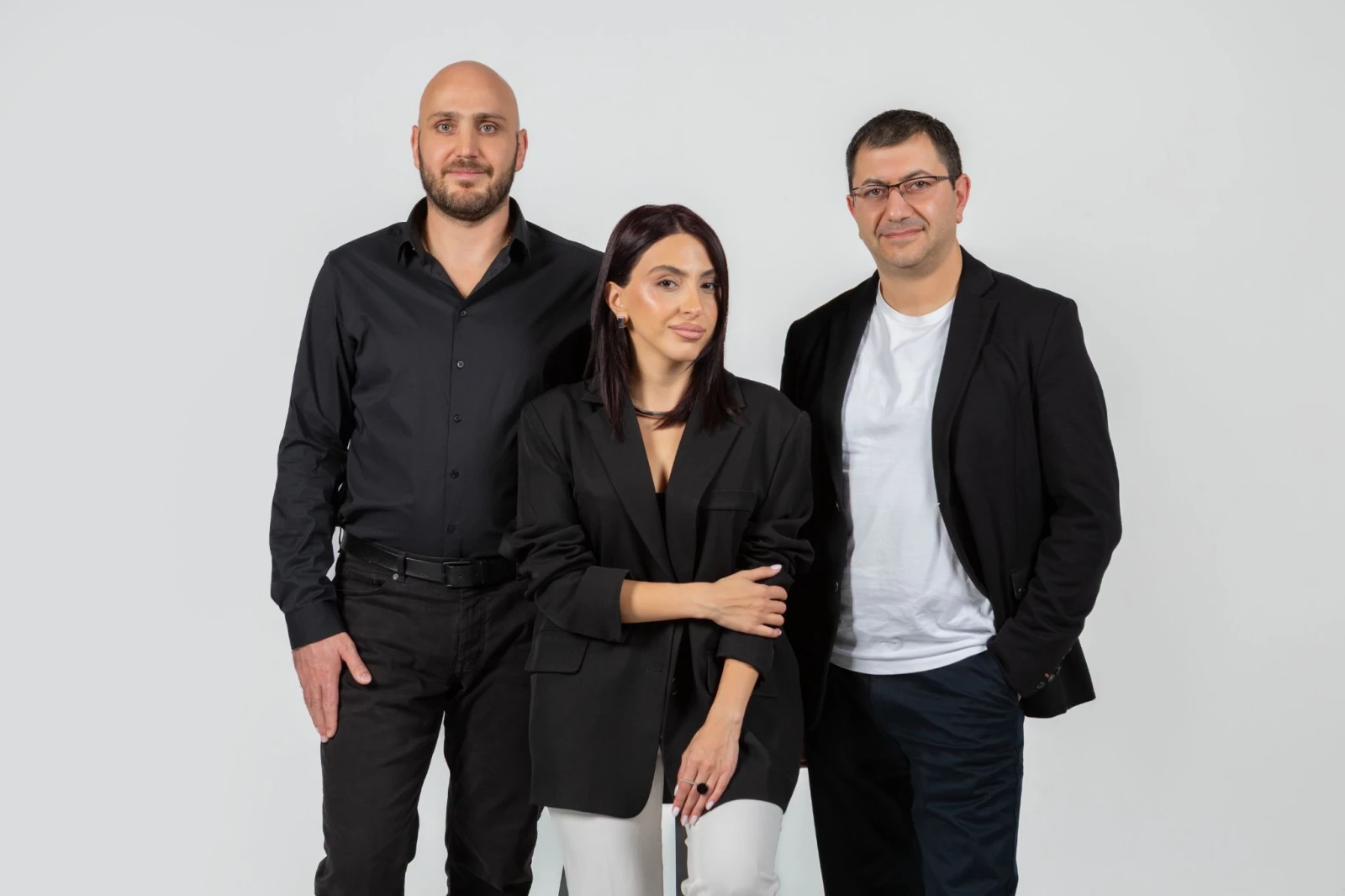
From its founding in Armenia in 2017 to its expansion into Uzbekistan and Kyrgyzstan, Prodigi has followed a consistent principle: international growth must be built on local relevance.
Its next stage will continue to combine agency expertise, proprietary technology, international partnerships and locally managed teams—demonstrating how a company built in Armenia can compete globally while remaining connected to the realities of each market it enters.