make preferable
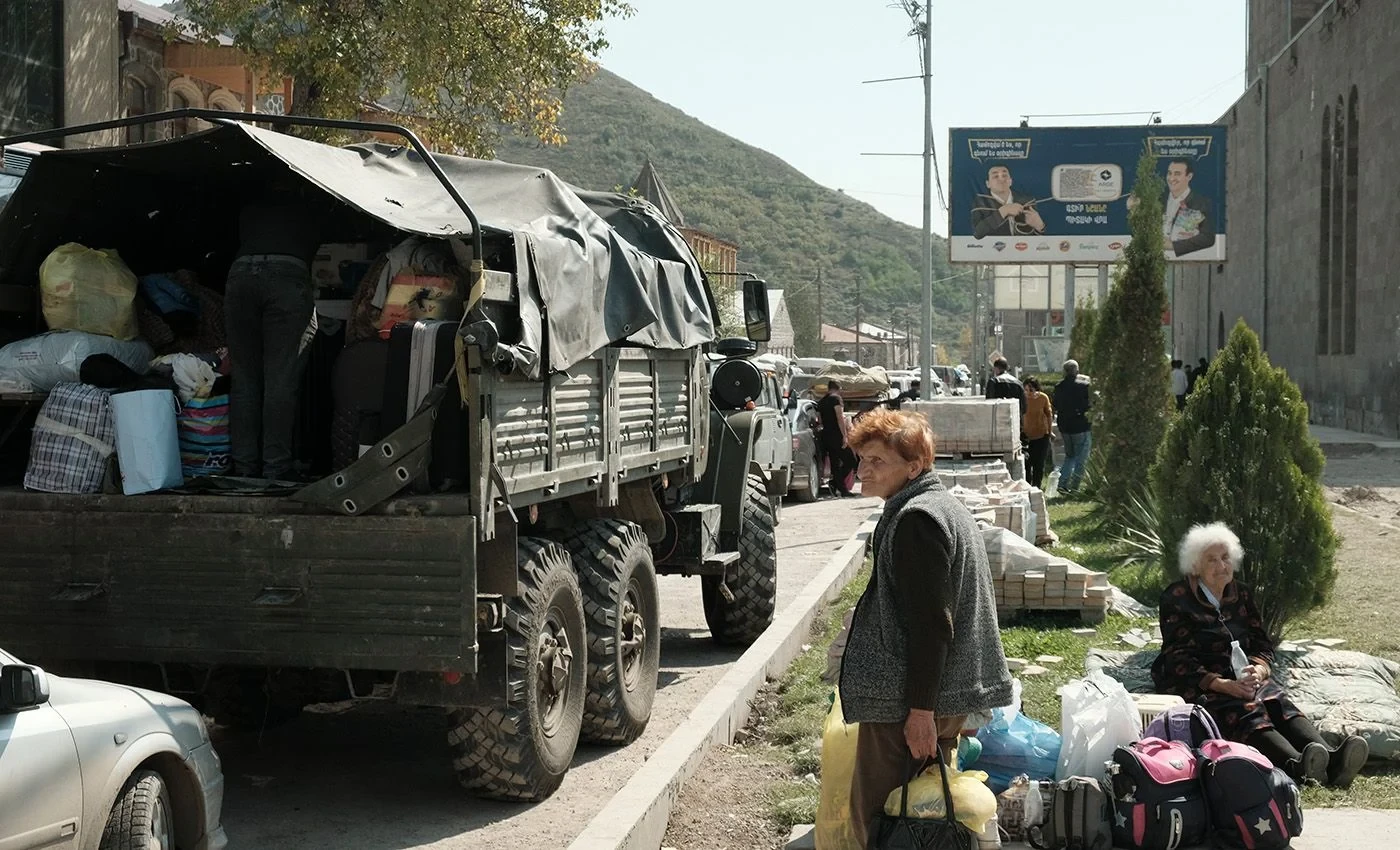
One of the topics discussed at the Leaders' Summit on Biodiversity last week was the impact of war and forced displacement on biodiversity conservation. Jennifer Tauli Corpuz, a lawyer and Global Policy and Advocacy Lead for Nia Tero, an advocacy group for indigenous people, on Tuesday stated this during a press briefing on the sidelines of the 17th meeting of the Conference of the Parties (COP17) to the UN Convention on Biological Diversity being held in Yerevan, the capital of Armenia.
Corpuz noted this when asked whether the rights of the Armenians of Nagorno-Karabakh, who were forcibly displaced from their homeland by Azerbaijan in 2023, were discussed at the aforesaid summit.
The history of forced displacement is what indigenous peoples face. Many of them have been forced to leave their homes, often due to armed conflict and war. This inevitably leads to a disconnection from their land, traditional knowledge, nature and biodiversity conservation methods. These issues require solutions she noted.
Languages have been recognized as an indirect indicator of biodiversity richness within the framework of the Convention on Biological Diversity. The number of indigenous language speakers correlates quite closely with the level of biodiversity in a given area, and that is why the loss of languages is a serious concern, said Corpuz.
Also, she expressed hope that a platform for considering such issues based on human rights will be created, as well as a clear mechanism for filing complaints and compensation for damage will be introduced.