make preferable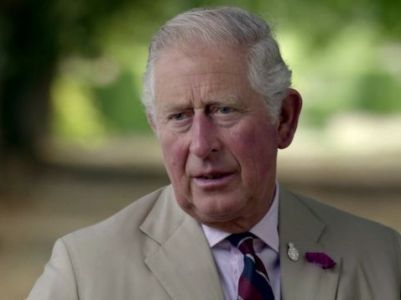
Prince Charles became King of Great Britain by choosing the name Charles III. As PA Media writes, it was his own choice. In fact, Charles did not change his name, but chose his own, as did his queen mother.
The name Charles, which comes from the ancient Germanic word karl, meaning "free man," has historically been seen by some in royal circles as a curse.
Charles I was the only British monarch to be publicly tried and executed for treason, while Charles II, known as the Merry Monarch, spent many years in exile, had 13 illegitimate children and numerous mistresses. His reign was also accompanied by the plague and the Great Fire of London.
The new monarch could follow the royal tradition of many kings and choose George, becoming George VII. In the past, it was rumored that Charles had favored George VII for historical reasons and because of his devotion to his grandmother and her love for her husband George VI.
However, after spending decades as Charles, the new king chose his own name, as did his mother.
The new monarch's name is traditionally announced at the historic Council of Succession, held at St. James's Palace in London a few days after the sovereign's death. It is part of the proclamation of the new king.
But Prime Minister Liz Truss referred to King Charles III in her Downing Street speech, saying: "Today the Crown passes, as it has done for more than a thousand years, to our new monarch, our new head of state, His Majesty King Charles III."
Clarence House confirmed the title.
In the last century there was a tradition of distinguishing the royal name from the Christian name of the sovereign.
Queen Victoria's name was actually Alexandrina Victoria, while Edward VII was born Albert Edward and was known as "Bertie. George V used his real name George.
Edward VIII, who abdicated the throne, bore the name Edward, but was always known to friends and family as David, the last of his seven names.
When Princess Elizabeth ascended the throne after her father's death, she was asked what name she would like to use as queen. She is said to have replied, "My own name, of course. What else?"
In 1953, John McCormick, chancellor of Glasgow University, challenged Queen Elizabeth II's right to call herself "the Second," since Elizabeth I was queen of England but not of Scotland.
However, it was decided that the choice of a royal name was left to the royal prerogative.