make preferable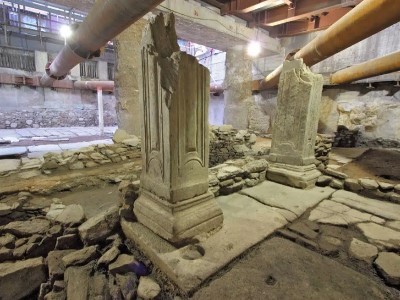
Archaeologists have discovered more than 130,000 archaeological treasures from different times during the construction of the metro in the Greek city of Thessaloniki. They are all located in the historical center.
The team that excavated the Venizelos station found traces of an ancient road, which was one of the city's main thoroughfares, as well as a Byzantine alley and the remains of 15th-17th century buildings.
At Agia Sophia station the foundations of Hellenistic and Roman buildings, a marble paved square, a large mosaic with geometric patterns, a road with columns, a bathhouse and a number of stores and workshops of the Byzantine period have been identified.
From the early years of the Byzantine Empire, Thessaloniki was considered the second city of the Empire after Constantinople with a population of 150,000.