make preferable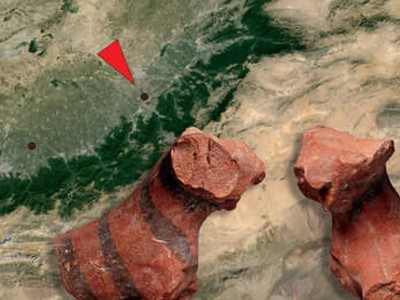
Archaeologists from Bryn Mawr College in the U.S. have uncovered what may be the oldest known depiction of a tiger in northern Iran. The ceramic figurine, over 5,000 years old, was found at Yarim Tepe in the Hyrcania region. The study was published in Anthropozoologica.
According to lead researcher Henry P. Colburn, the discovery predates all previously known tiger depictions in Iranian art by nearly three millennia. This suggests a much deeper and older connection between tigers and Iranian cultural identity.
The small figurine, approximately eight centimeters long, is made of clay and painted with characteristic stripes mimicking a tiger’s coloration. It has been dated to the Late Endrolithic period, around 3500–3100 BCE. Colburn notes that the creator clearly had a direct understanding of the tiger’s physical appearance, implying possible coexistence between humans and tigers in this region.
Hyrcania, where the figurine was found, is a forested area between Mount Elbrus and the Caspian Sea. In ancient times, the region was home to red deer, wild boars, and Caspian tigers (Panthera tigris virgata), the latter of which only went extinct in the 20th century.
Although similar ceramics have been discovered at other Neolithic sites in the region (Shah Tepe, Tureng Tepe, Tepe Hisar), none contain depictions of such animals, making the Yarim Tepe find unique in the archaeology of the entire area.
If the dating is accurate, the Yarim Tepe figurine not only represents the earliest tiger depiction in Iran but also ranks among the oldest known tiger images outside the Indian subcontinent in human history.
Beyond its historical and artistic value, the figurine may also hold deep symbolic meaning. Researchers suggest it could represent an early prototype of a motif that later played a significant role in Persian culture—from Ferdowsi’s epic Shahnameh to royal iconography in the Sasanian period.