make preferable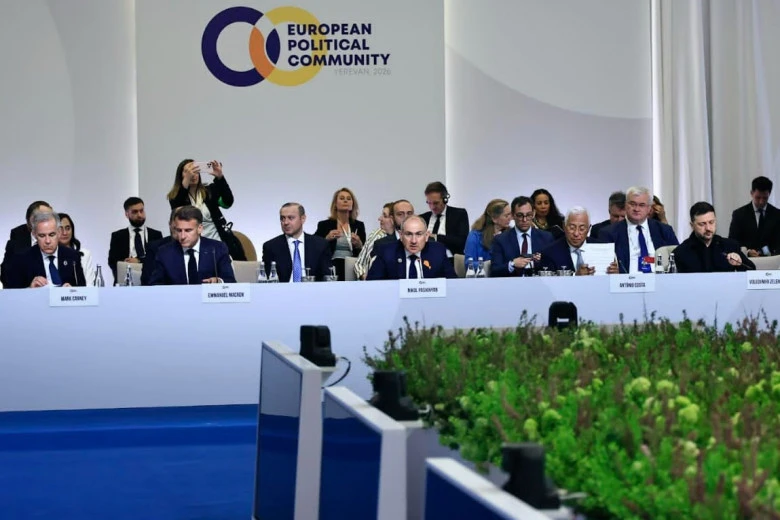
Past daily of Armenia writes as follows, in particular: Tomorrow the Constitutional Court [(CC)] will consider the petitions of 7 political forces to cancel the results of the parliamentary elections held in Armenia on June 7. Numerous facts have been presented that the elections and their published results cannot be considered legitimate.
However, even according to the official figures published by the CEC [i.e. the Central Electoral Commission of Armenia] and questioned by the opposition, it is obvious that [PM] Nikol Pashinyan and his CC [i.e. the ruling Civil Contract party] did not receive the majority of votes. Simply put, by dry calculations, 50.2 percent of citizens (or about 742 thousand voters) who participated in the elections rejected the incumbent authorities and their political path, including the sharp change in foreign political course. And this is despite the fact that the EU and the US did not even hide their open support for Nikol Pashinyan. It would seem in such circumstances, each political force would have significant votes. However, neither the financial promises nor PR support of European officials nor the demonstrative support of the leaders of various countries, including [French President Emmanuel] Macron’s Yerevan “voyages” nor the EU summit [in Yerevan] nor the political messages sent from the US gave their expected result.
True, the president of the European Commission, Ursula von der Leyen plans to visit Armenia on July 1 to congratulate and “show support for Nikol Pashinyan,” the fact remains that the latter does not have the approval and support of the majority of the Armenian people. And if we add that enormous administrative resources have been used, unequal conditions have been created for competing forces, etc., then the picture will be even more striking.
Of course, the West's "eyes didn't swell" for Nikol Pashinyan, and they might not have been too saddened by the fact that he didn't receive a majority [of votes], but the thing is that these elections were also a kind of referendum in terms of foreign policy orientation, which means that at least more than half of the voters [in Armenia] rejected the policy of drastic "Europeanization," which many experts and political scientists consider false and illogical, considering that Armenia should pursue a balanced policy.