make preferable
By Arus Bakunts, Sofi Elizbaryan
If the Great Silk Road has a heart that continues to beat despite the era of skyscrapers and high-speed trains, then it is located in the south of Urumqi, China. In the historic district of Erdaoqiao, where antiquity meets the noise of a modern metropolis, the Xinjiang International Grand Bazaar is located.
The Xinjiang International Grand Bazaar in Urumqi is the main cultural, tourism, and commercial complex of the Xinjiang Uyghur Autonomous Region of China. It is one of the largest markets in the world in terms of area—more than 100 thousand square meters.
The Grand Bazaar is not just a market, but a large-scale scenery of an oriental fairy tale built in the 21st century.
The sandstone-clad complex occupies an area of more than ten football fields.
In its center rises an 80-meter watchtower, reminiscent of an ancient minaret. From its top, Urumqi opens up in all its contrasts: in the foreground are the curves of domes and the polyphony of trading squares, and behind are the shiny glass facades of high-rise buildings and the snow-capped peaks of the Tian Shan mountain ranges.
The space is structured in such a way that the visitor loses track of time, passing from shady arched galleries to sunny squares with fountains.
Each section of the bazaar lives by its own rhythm and is endowed with unique acoustics.
In the rows of craftsmen, engravers imprint patterns on copper jars, and master musicians immediately pluck the strings of the stringed dutar and rawap, checking their sound.
The air is filled with a thick mixture of the scent of dried cumin, star anise, roasted lamb, and dried melon.
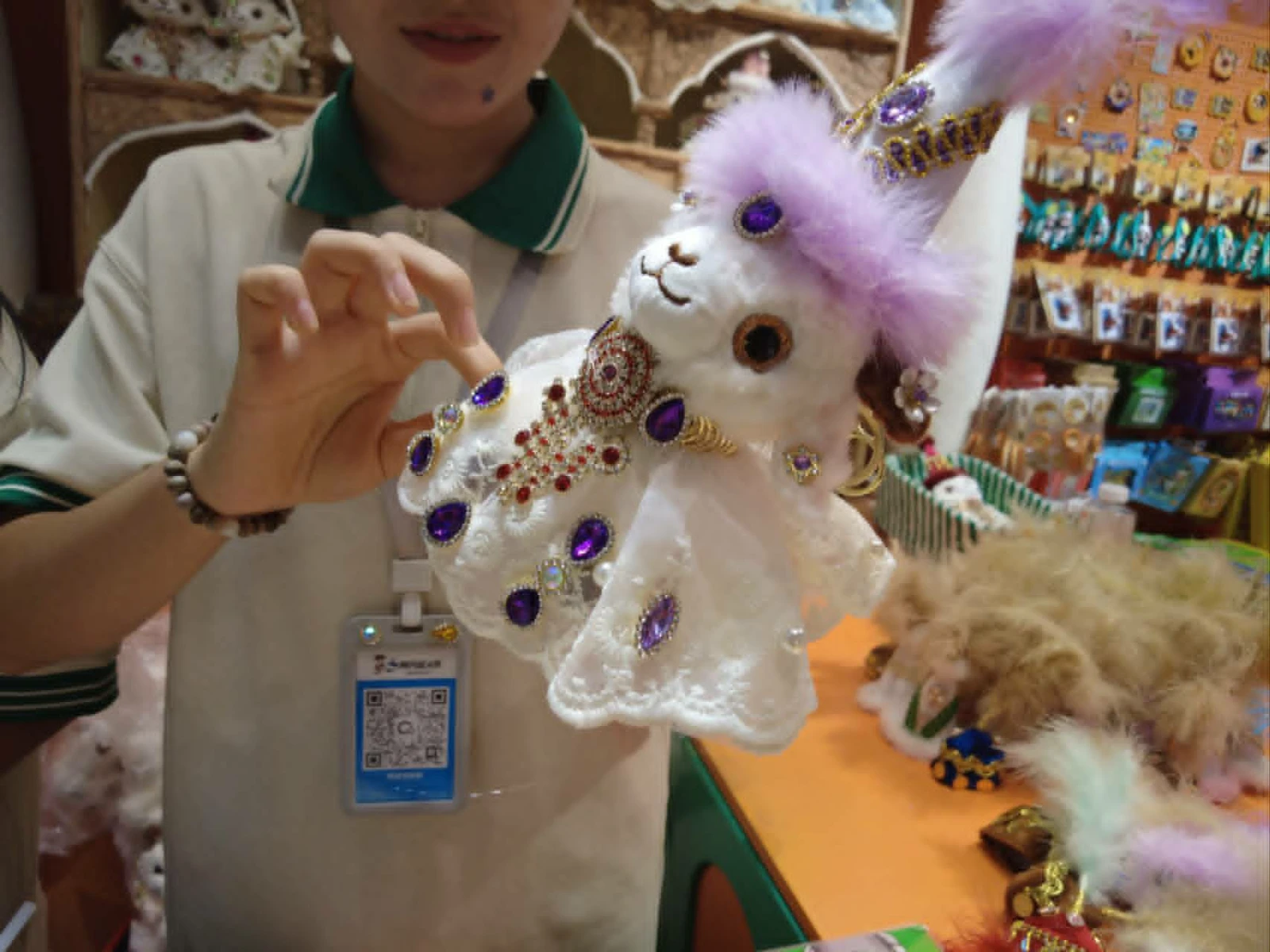
The textile stalls are dazzling with their abundance of colors: here they sell the famous Xinjiang silk, with its patterned, water-washed hues, as well as heavy handmade carpets and items made from local jade.
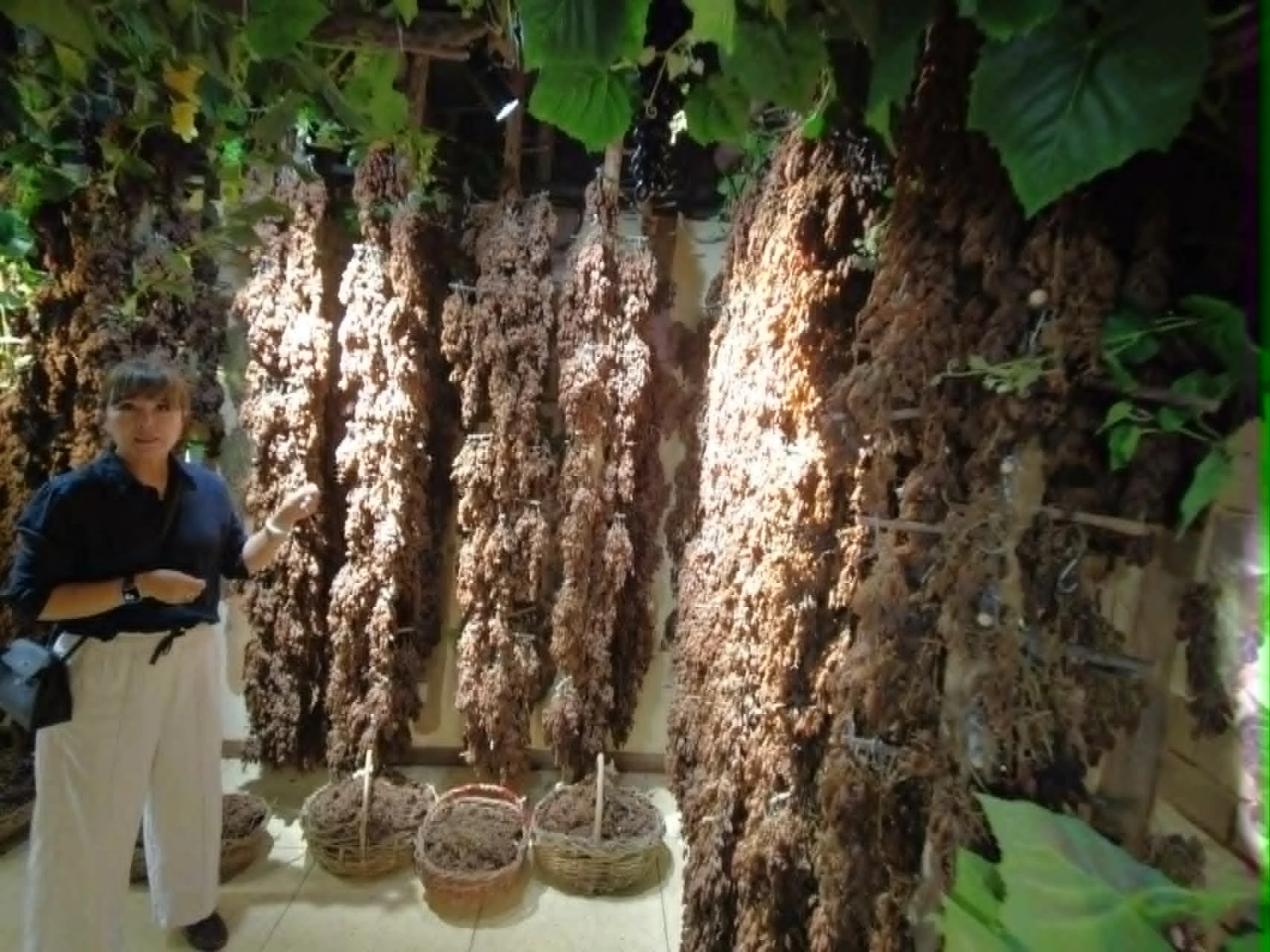
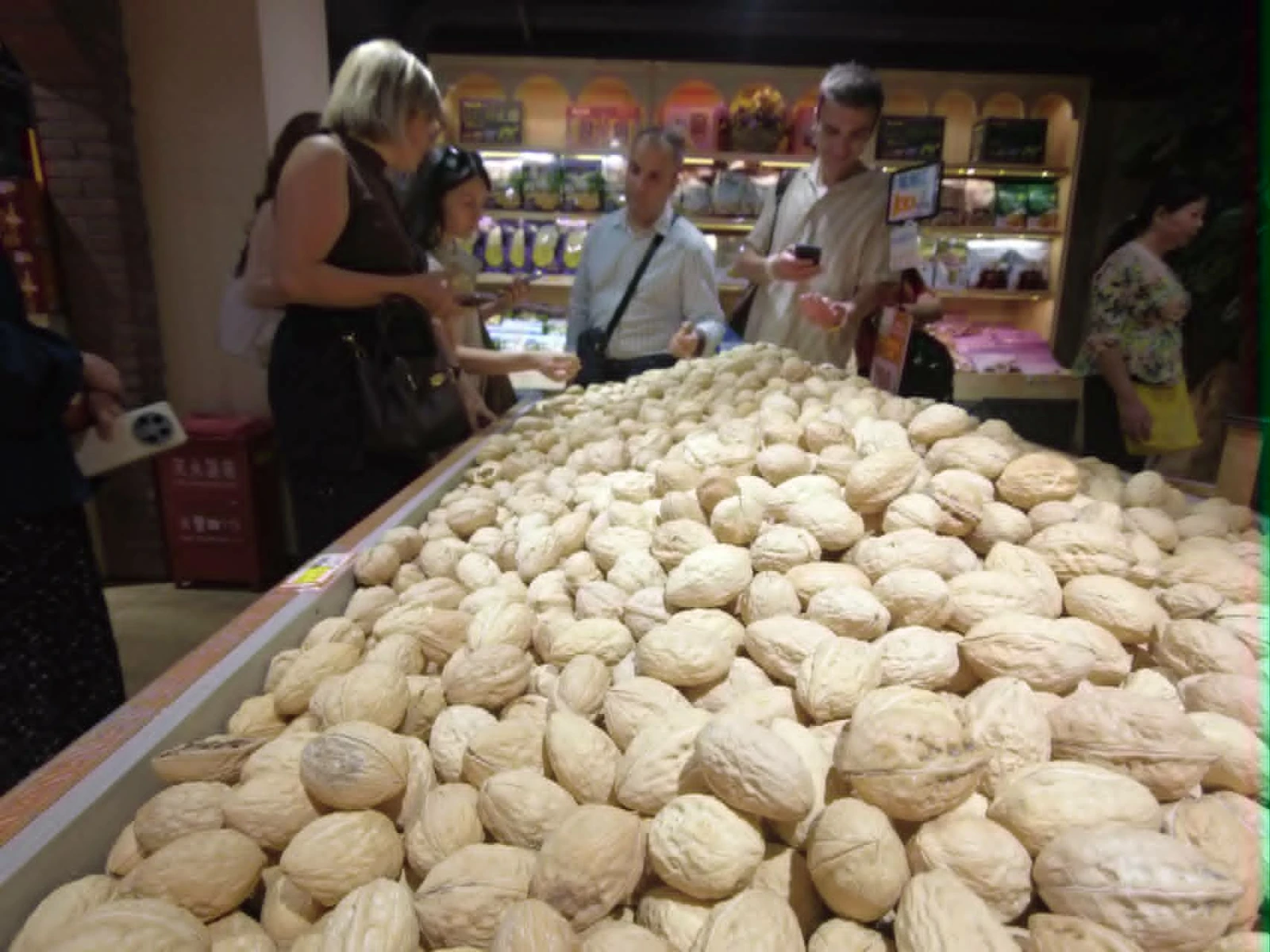
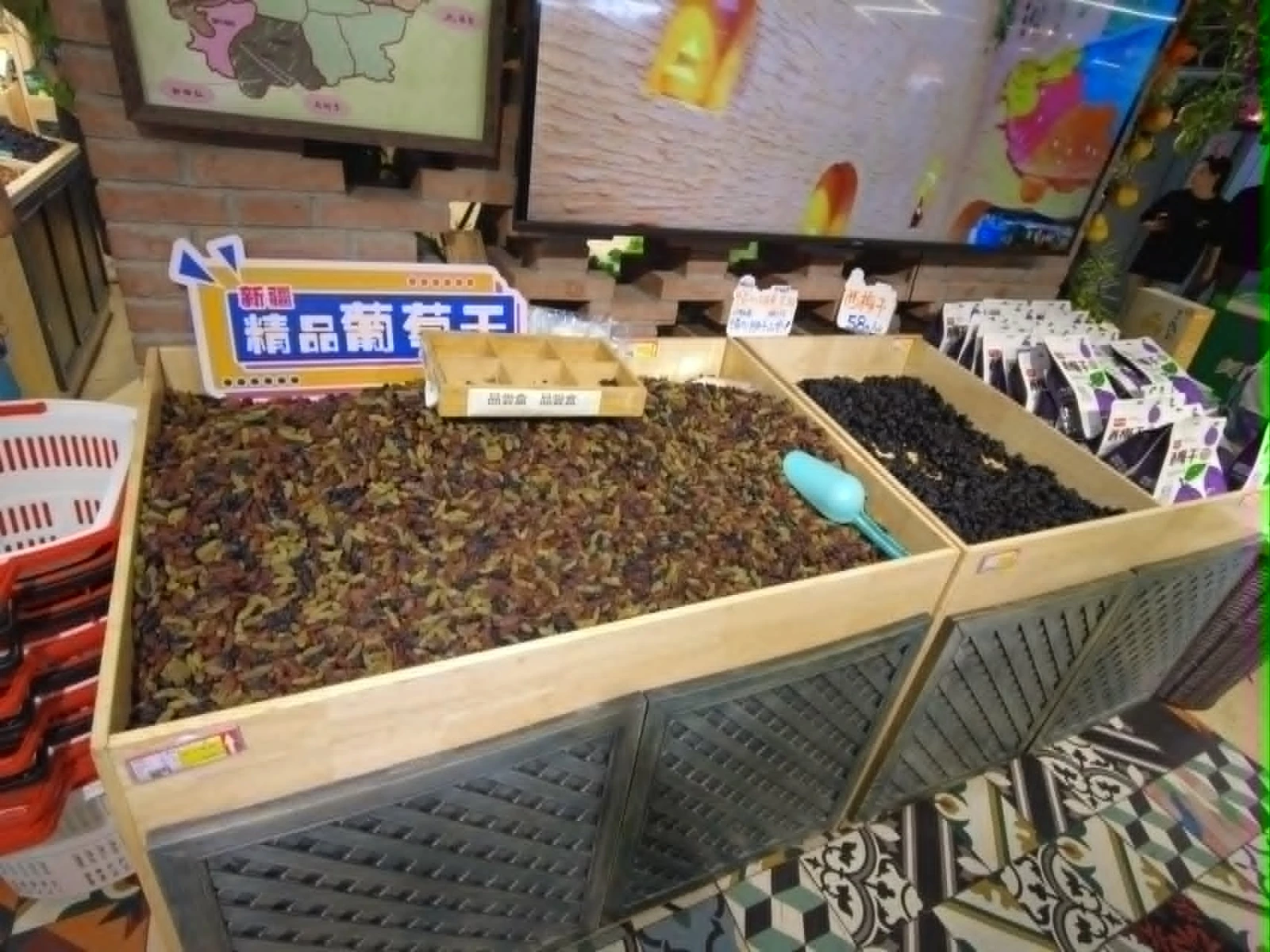
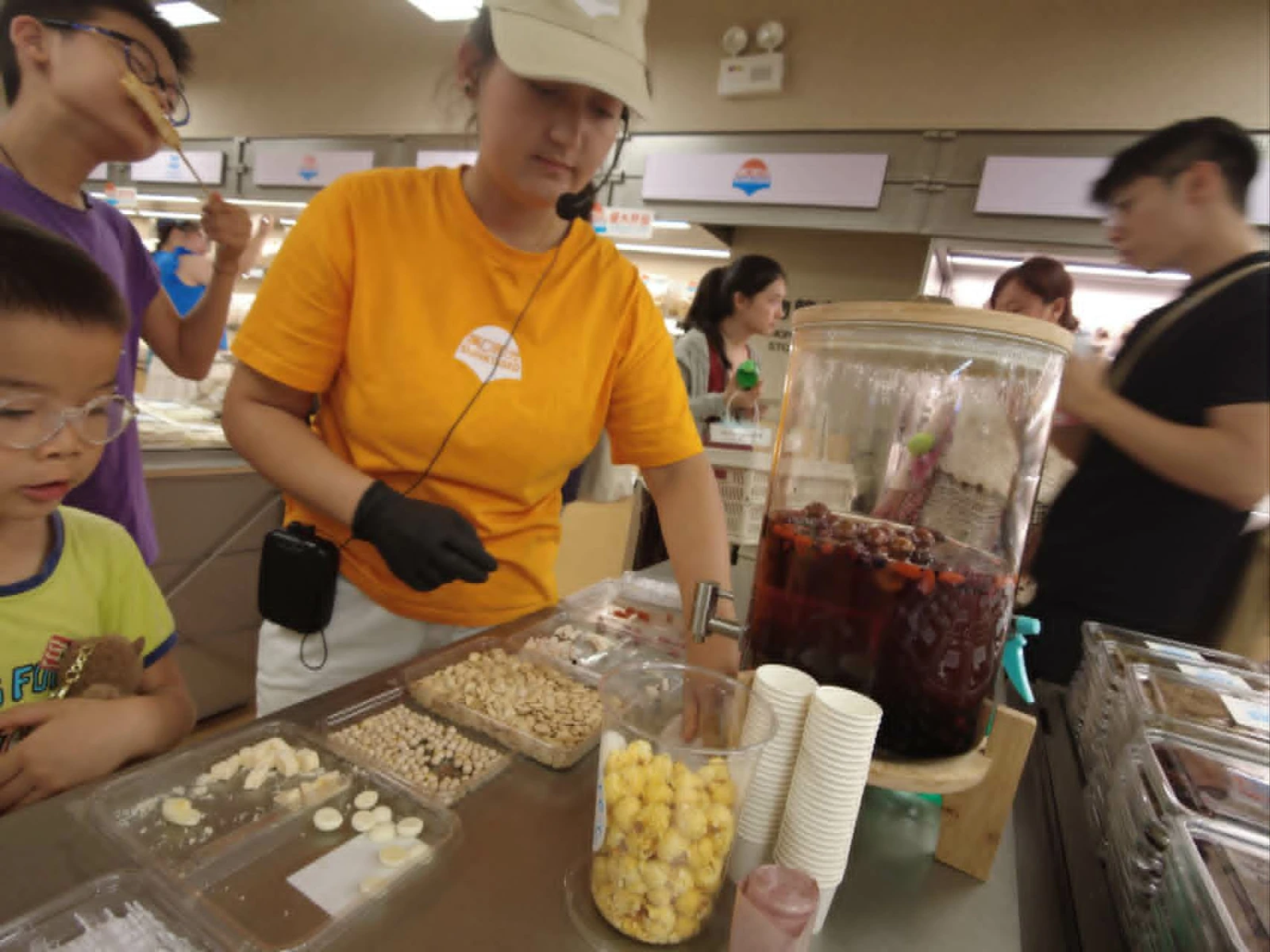
The rows of dried fruits deserve special attention. The Xinjiang sun makes local raisins, dried apricots, figs, and walnuts incredibly sweet. Sellers are happy to offer to taste the product before buying, thus turning the tasting into a full-fledged snack.
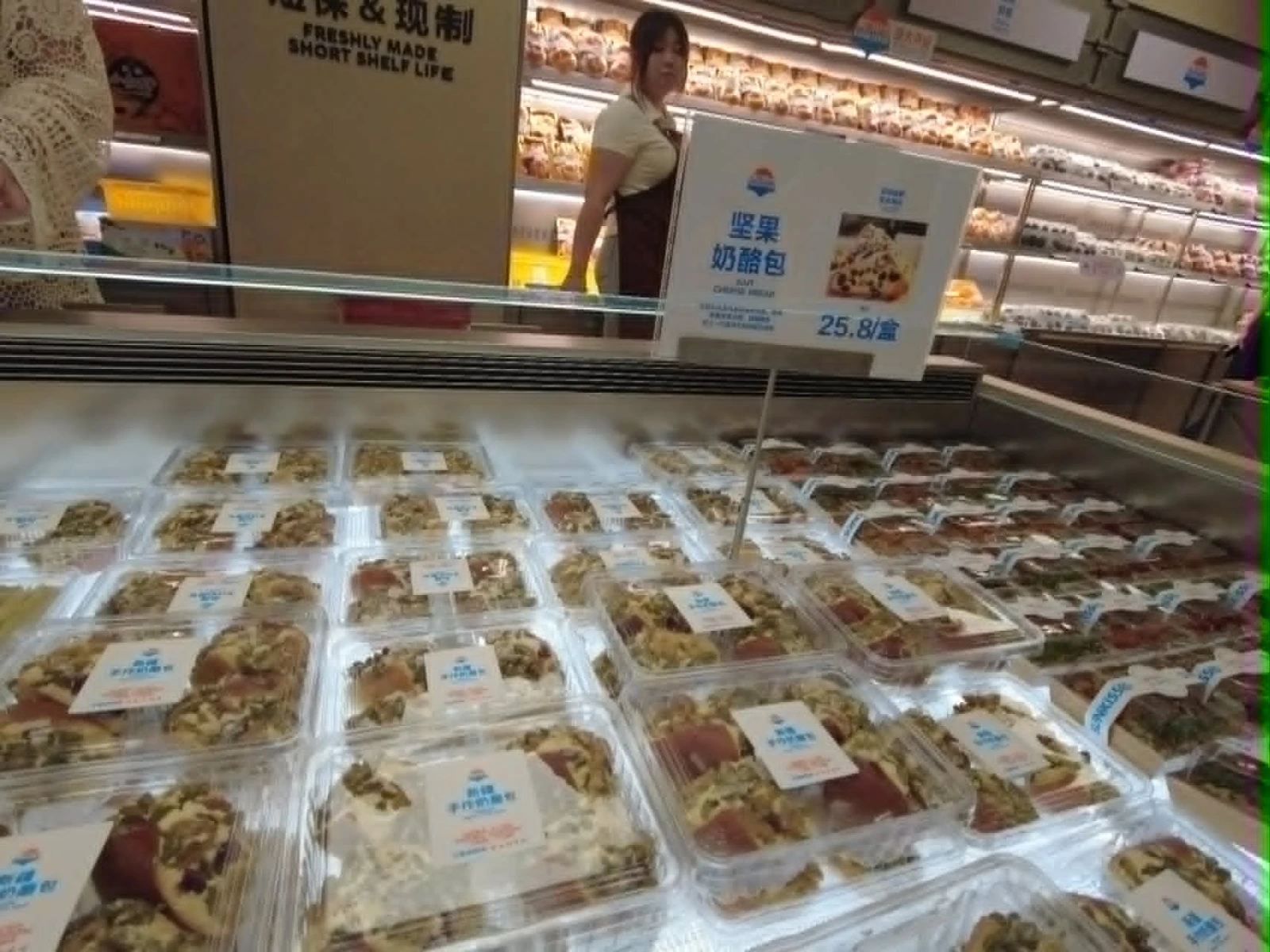
The main “hero” of local cuisine is the naan, the traditional flatbread. There is an entire interactive museum dedicated to this bread. In huge ovens, right in front of the audience, dozens of varieties of naan are baked, with sesame, onion, meat, and even with rosettes made of dried fruits.
Next to it, a lamb roast (chvoer) is being roasted on red willow branches, fragrant pilaf sizzles in huge pots, and masters stretch the thinnest noodles for lagman.
With all this abundance, it is recommended to drink local honey kvass.