make preferable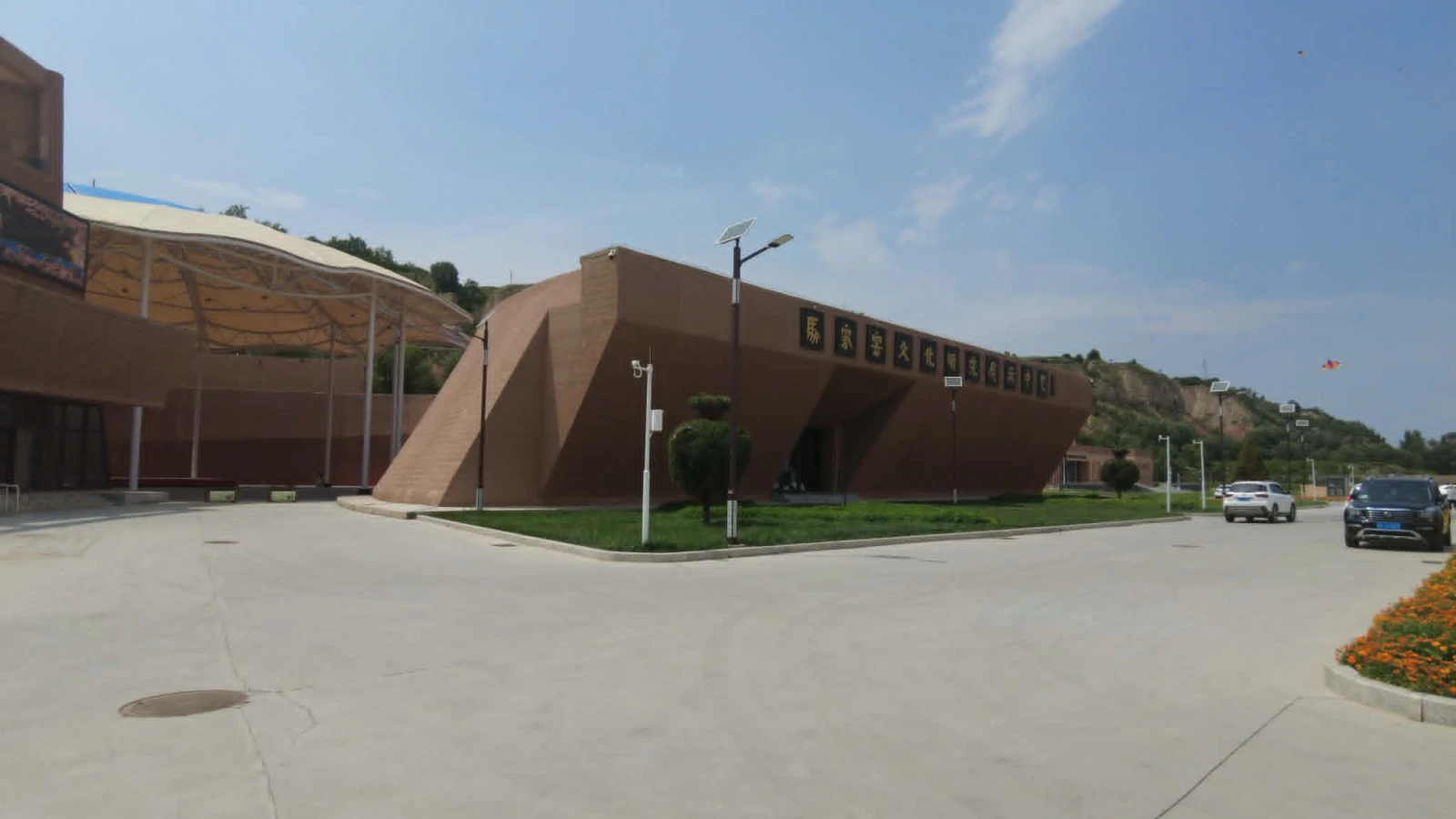
By Arus Bakunts
The Armenian News-NEWS.am reporter’s adventures in China continued in the village of Majiayao in Lintao County, which is part of the already familiar Dingxi urban district—exactly where the Yuangudui experimental village is located.
Today, Majiayao is recognized as an important archaeological monument of state significance. Excavations have shown that 5,000 years ago, life was in full swing here: primitive people built semi-basement houses, engaged in agriculture—and cultivated millet, but most importantly, huge centralized pottery workshops were located here. They were the first professional craftsmen in the region.

In the village, a group of reporters from Armenia visited the Majiayao Culture Research and Exhibition Center. It is interesting to note that the entire village, like the country itself, is famous for its agricultural products: yogurt, potatoes, corn, fermented wheat and, surprisingly, crayfish, which are bred thanks to artificial lakes in this mountainous climate. By the way, progress in food production occurred after Chinese villagers, under the leadership of the Communist Party of China, began to cooperate with the country's universities to improve the quality and quantity of products. The universities have produced innovations, and the latter have yielded results.

Then we set off for the Majiayao Culture Research and Exhibition Center. It is a state-of-the-art capsule built to connect the village's ancient heritage with the modern world. Inside, a rich collection is displayed, with more than 3,000 exhibits, hundreds of which are on permanent display.

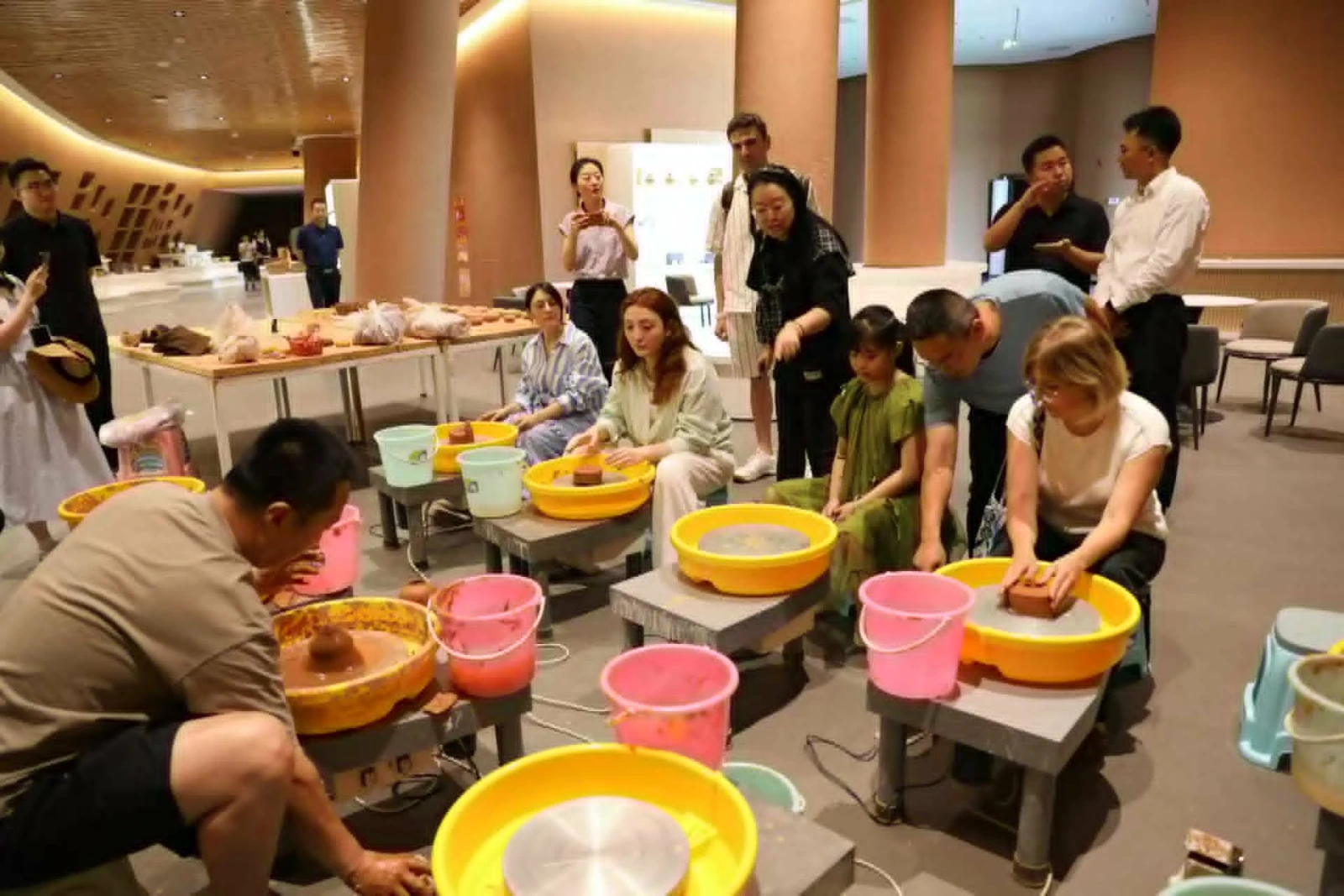
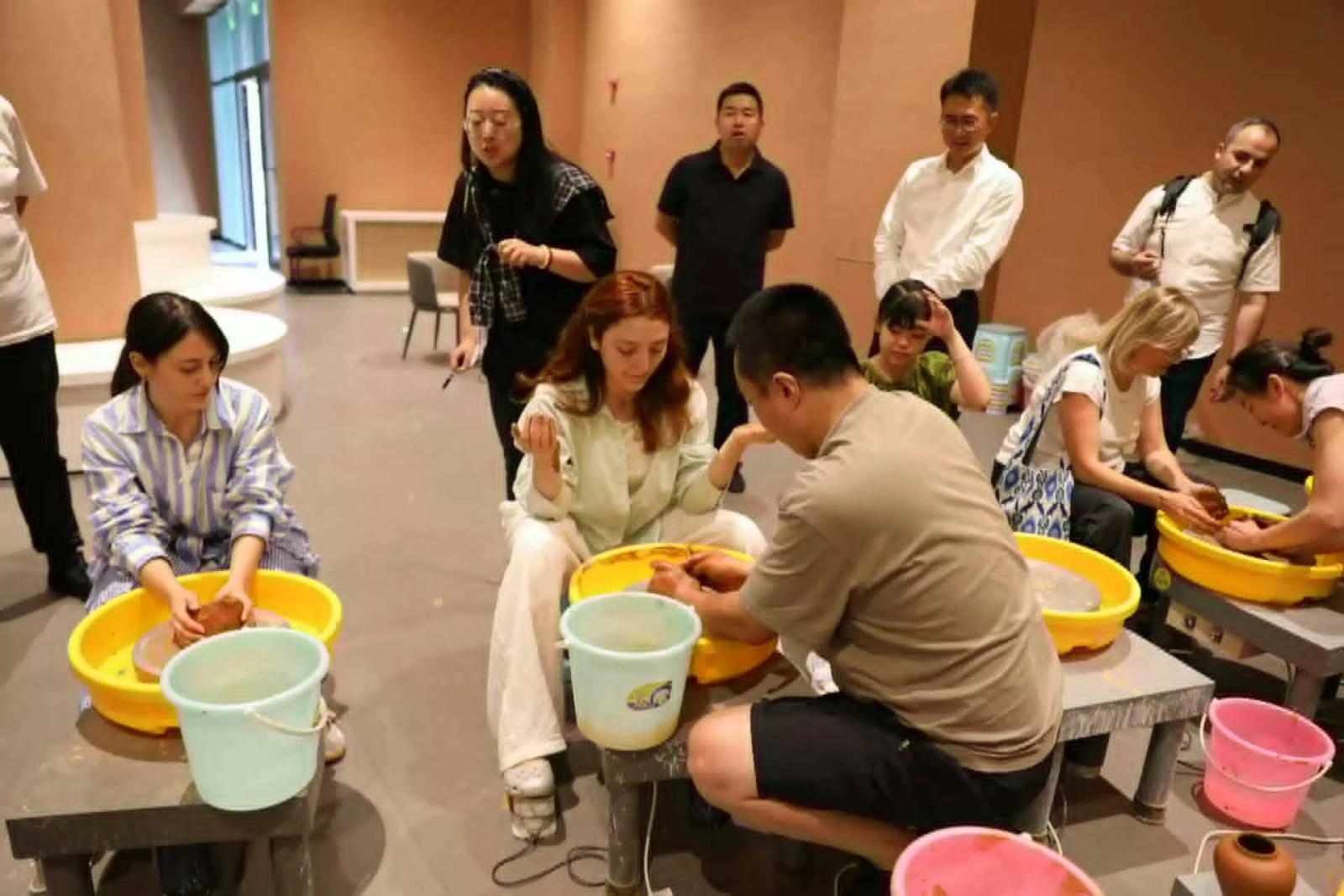
As we were told, some of the exhibits were returned to China from France. There was a section in the museum itself where visitors could personally work with clay and try to create the very artifacts that are displayed right before your eyes.

By the way, the center has become the main venue for the annual large-scale cultural festival of Majiayao and the international forums of UNESCO. Leading archaeologists and historians from all over the world—including experts from Oxford and Harvard—come here to study the early connections between Eurasian Neolithic cultures and the Great Allegro (Great Route)/Great Silk Road.

It is impressive that the space is equipped with modern digital installations: 3D screens, interactive projections, and “magic walls” where ancient patterns come to life.