make preferable
Hayk Sahakyan reporting from Beijing
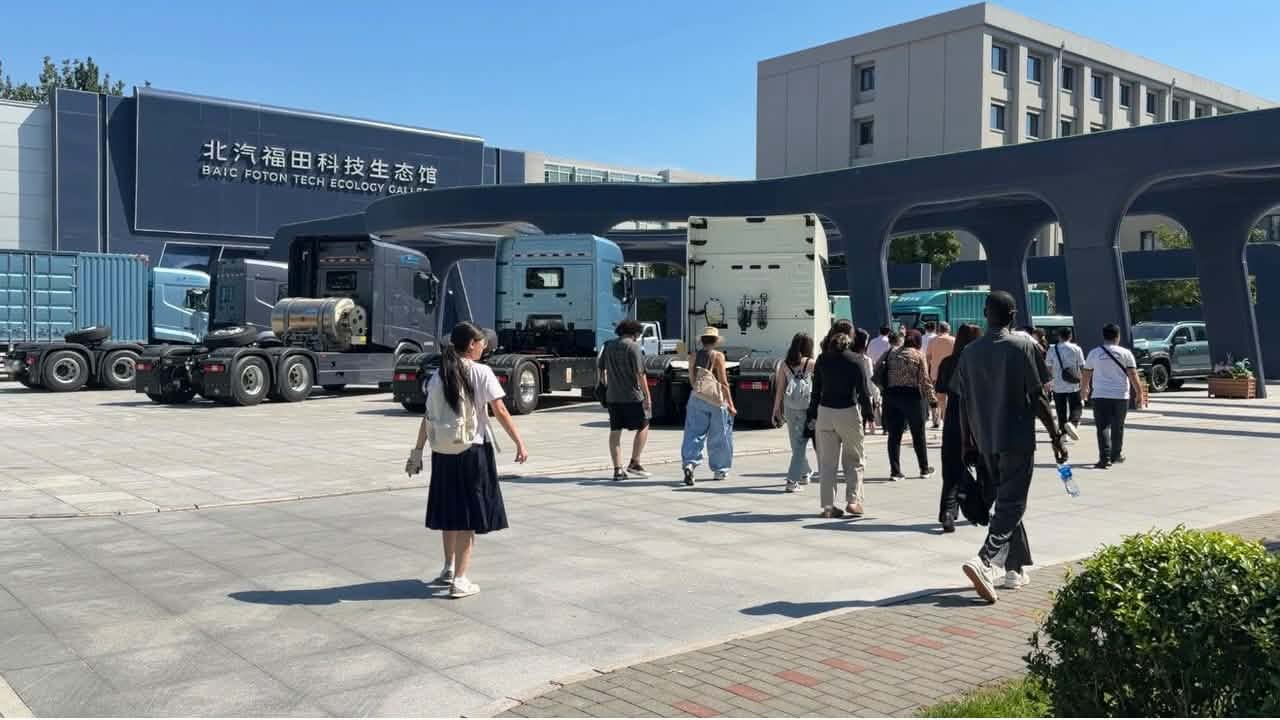
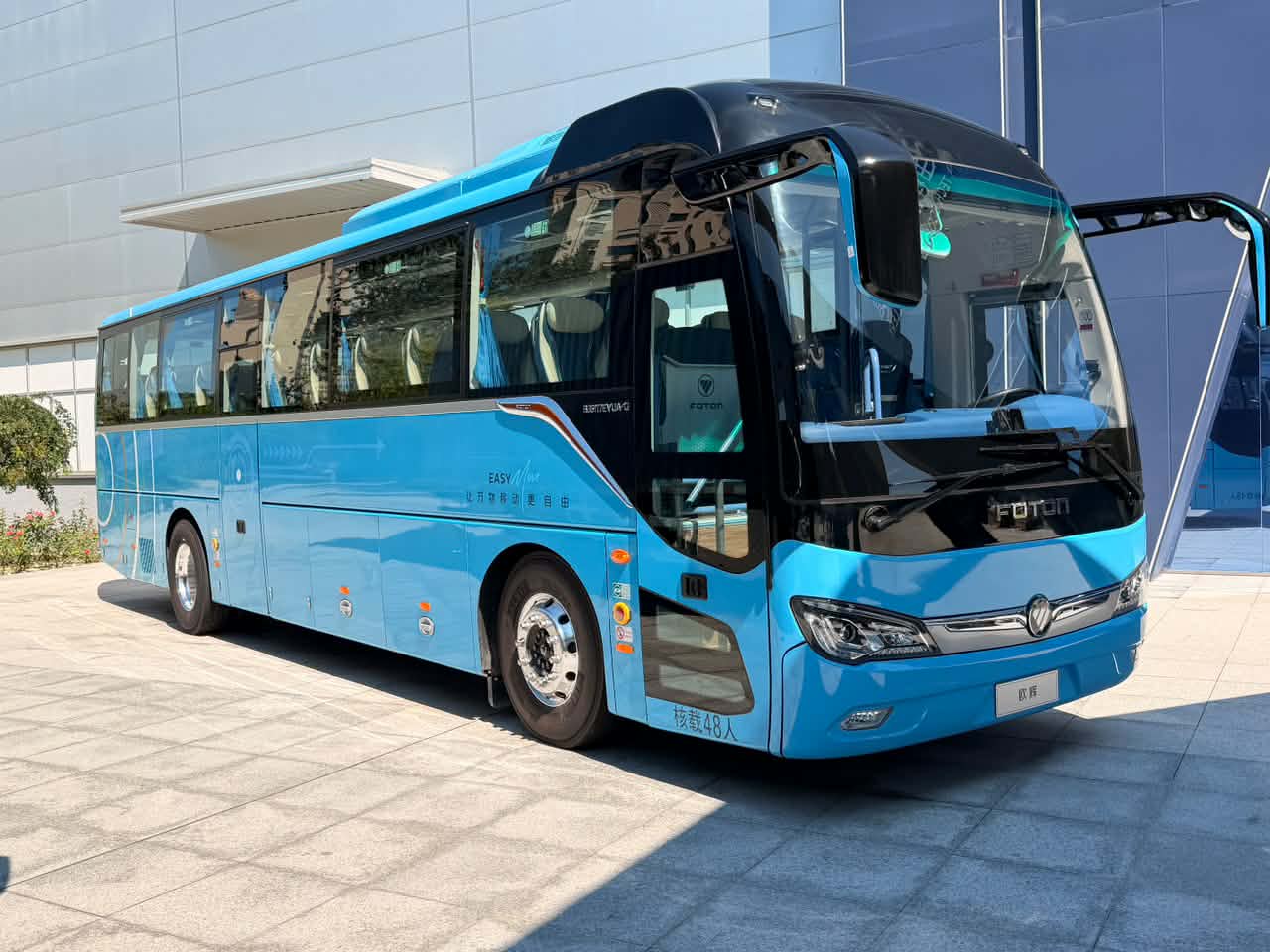
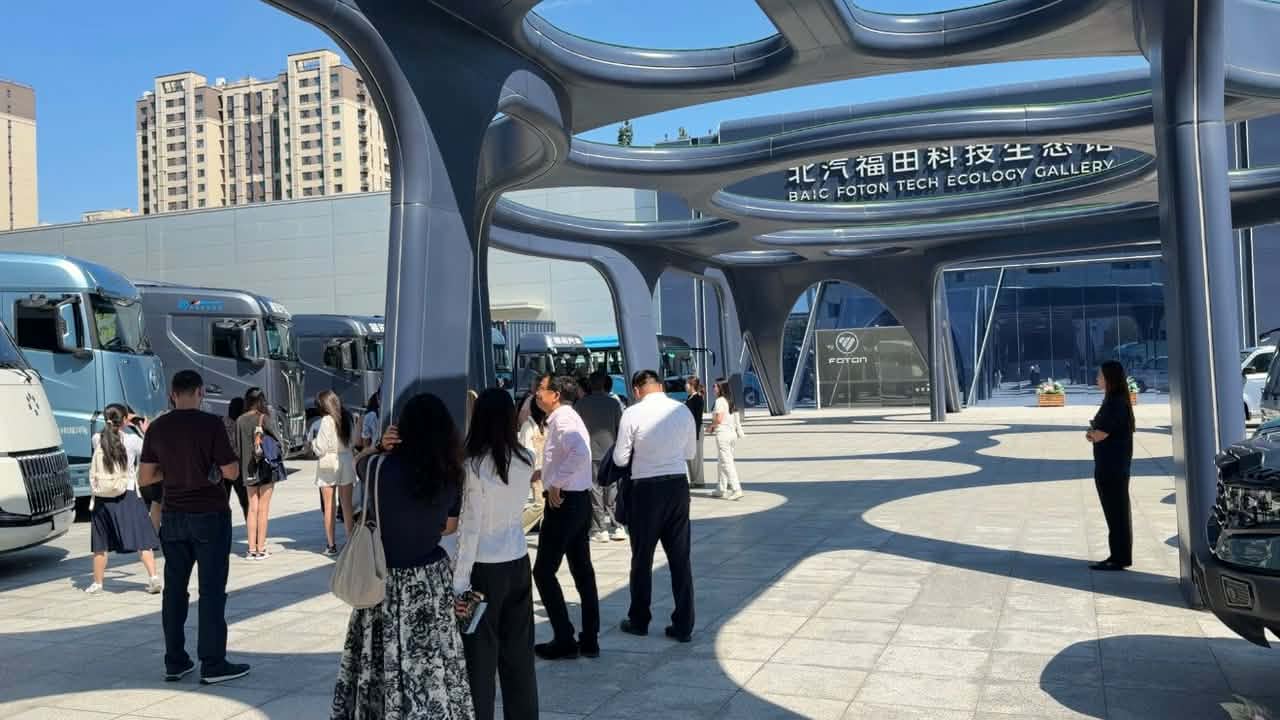
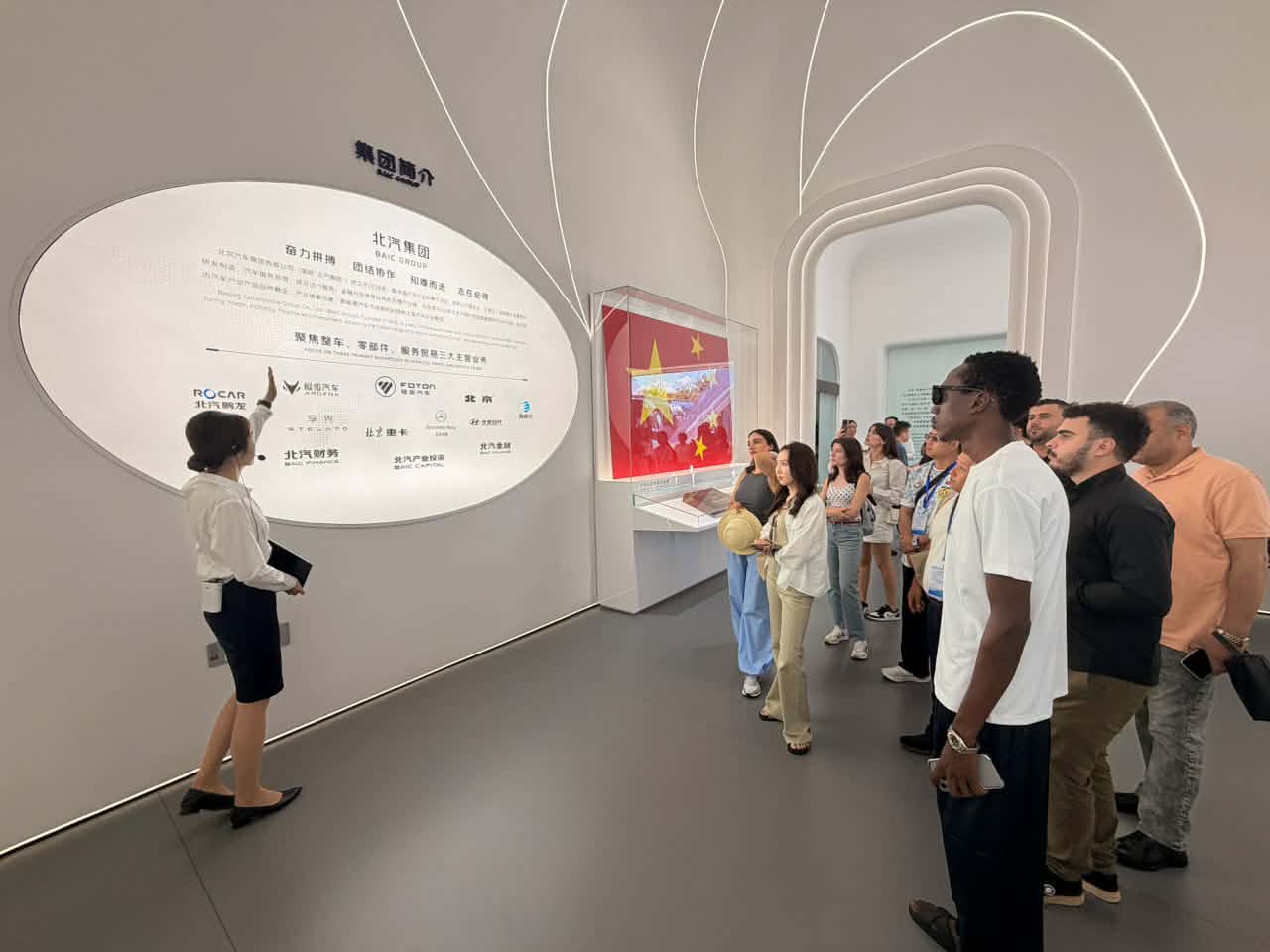
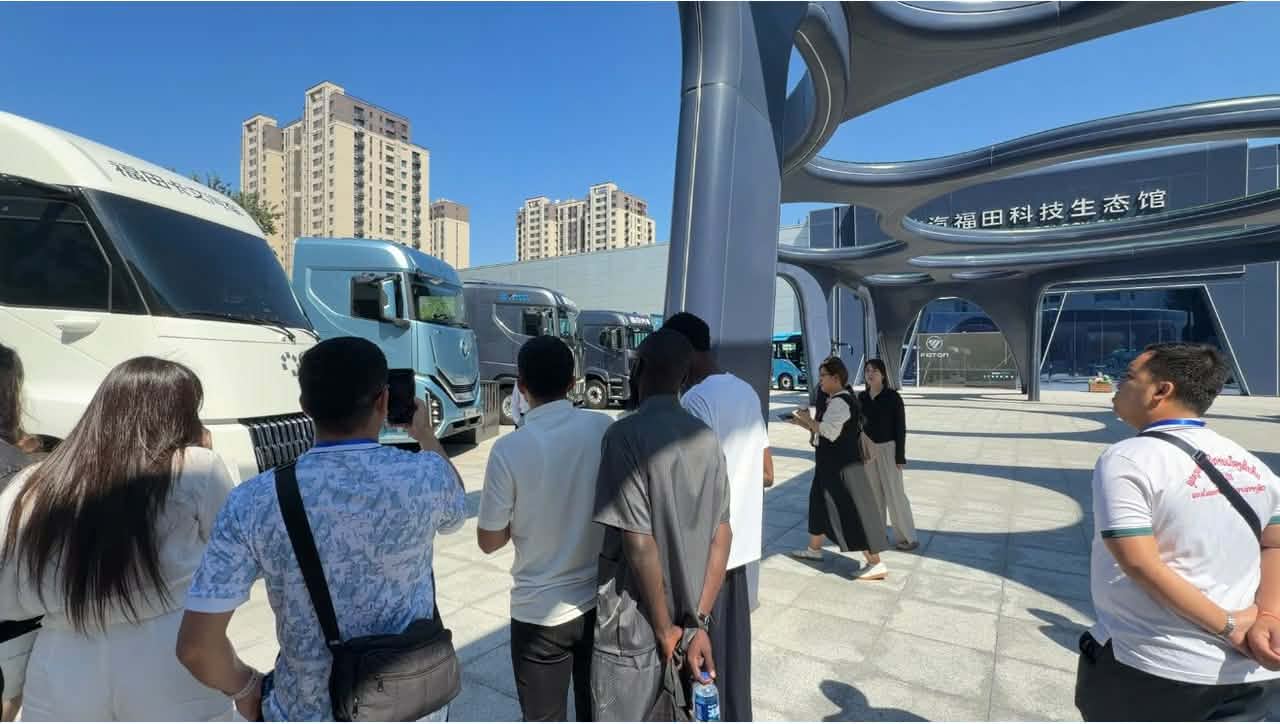
Over the years, the Chinese Beiqi Foton Motor, headquartered in Beijing, has transformed from a company that makes trucks and meets the demand of the local market into an industrial giant supplying high-tech products to the whole world. Founded in 1996, FOTON is today represented in more than 140 countries. It manufactures trucks, buses, vans, and several other means of commercial transport.
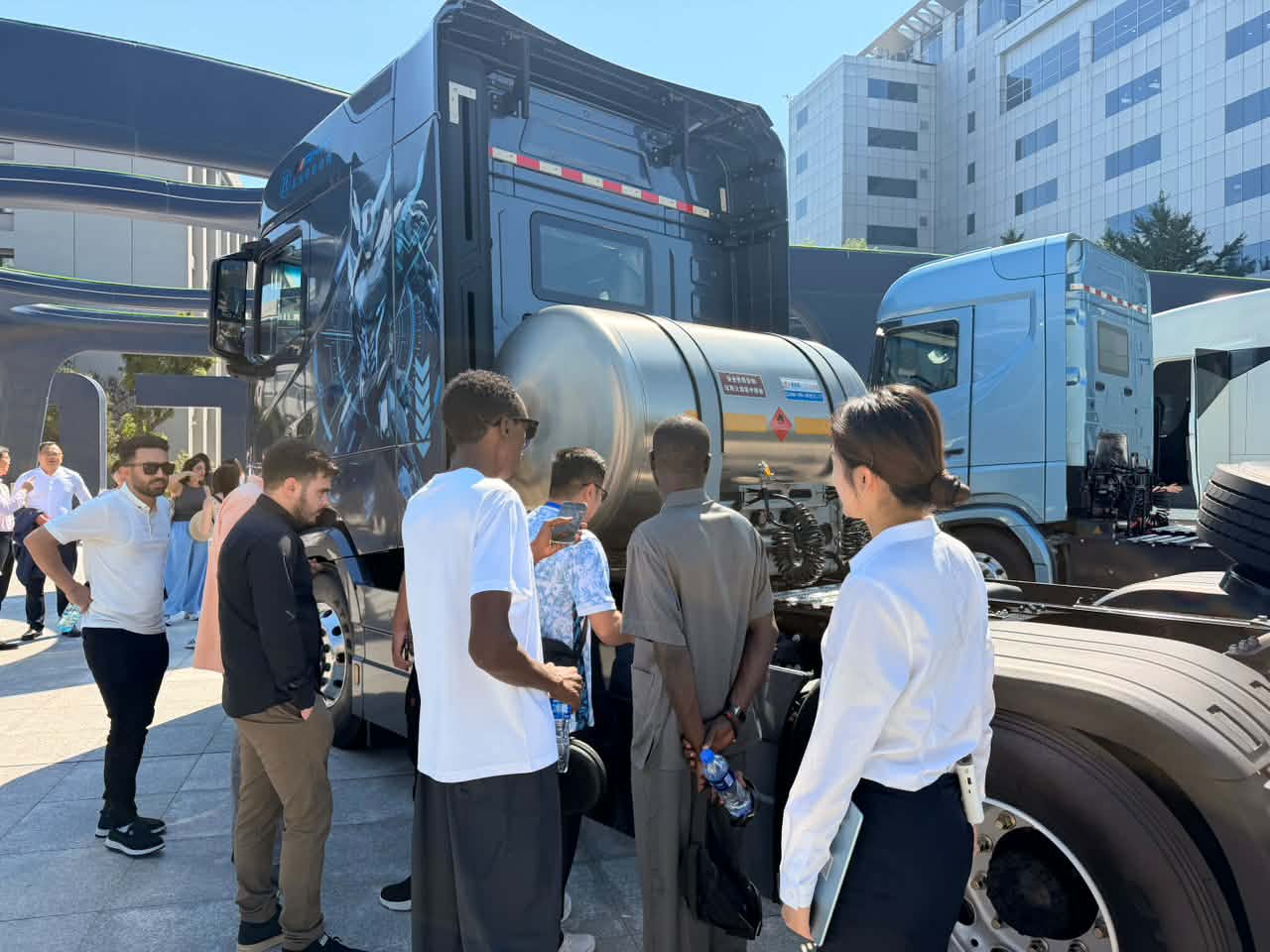
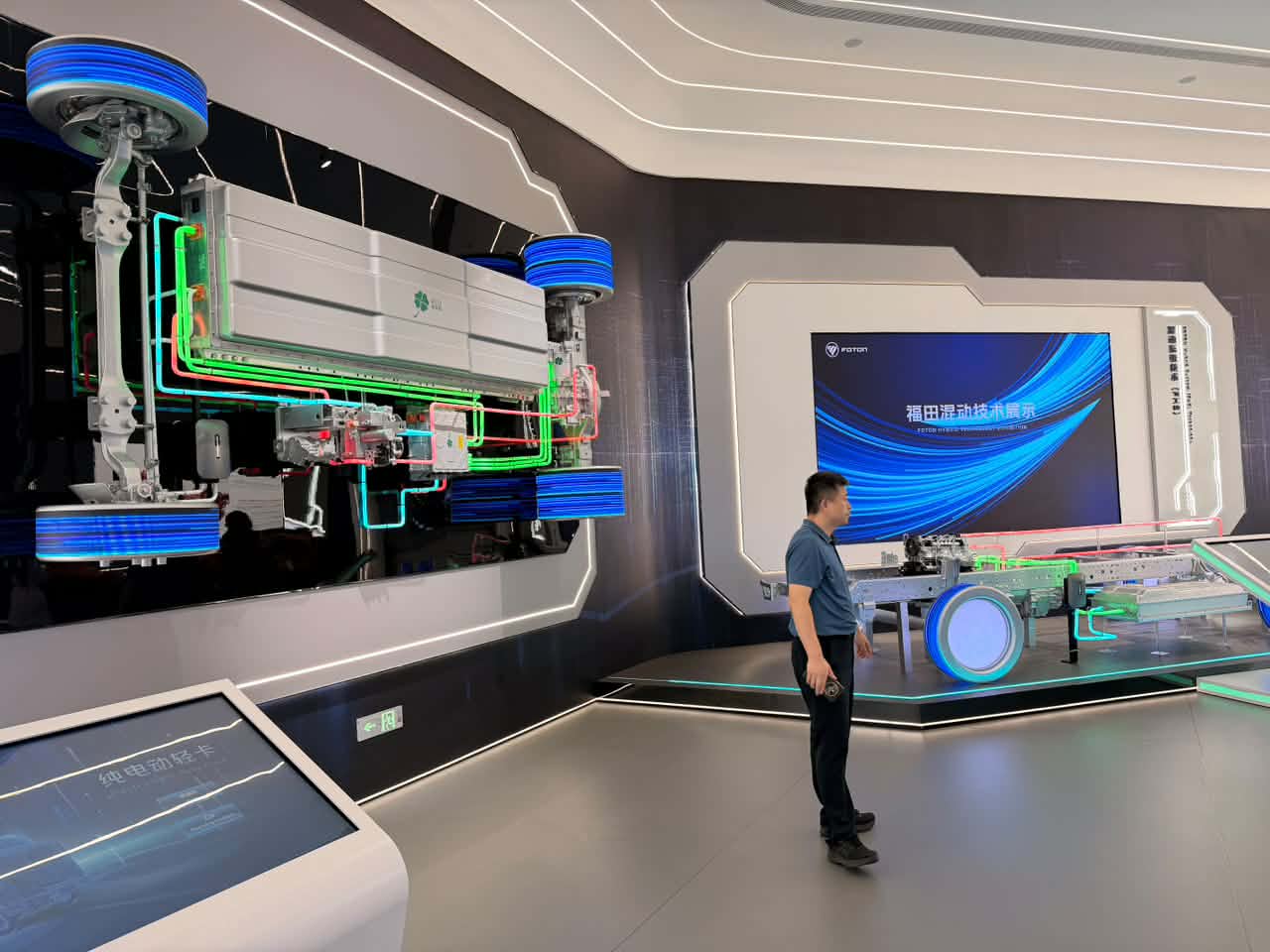
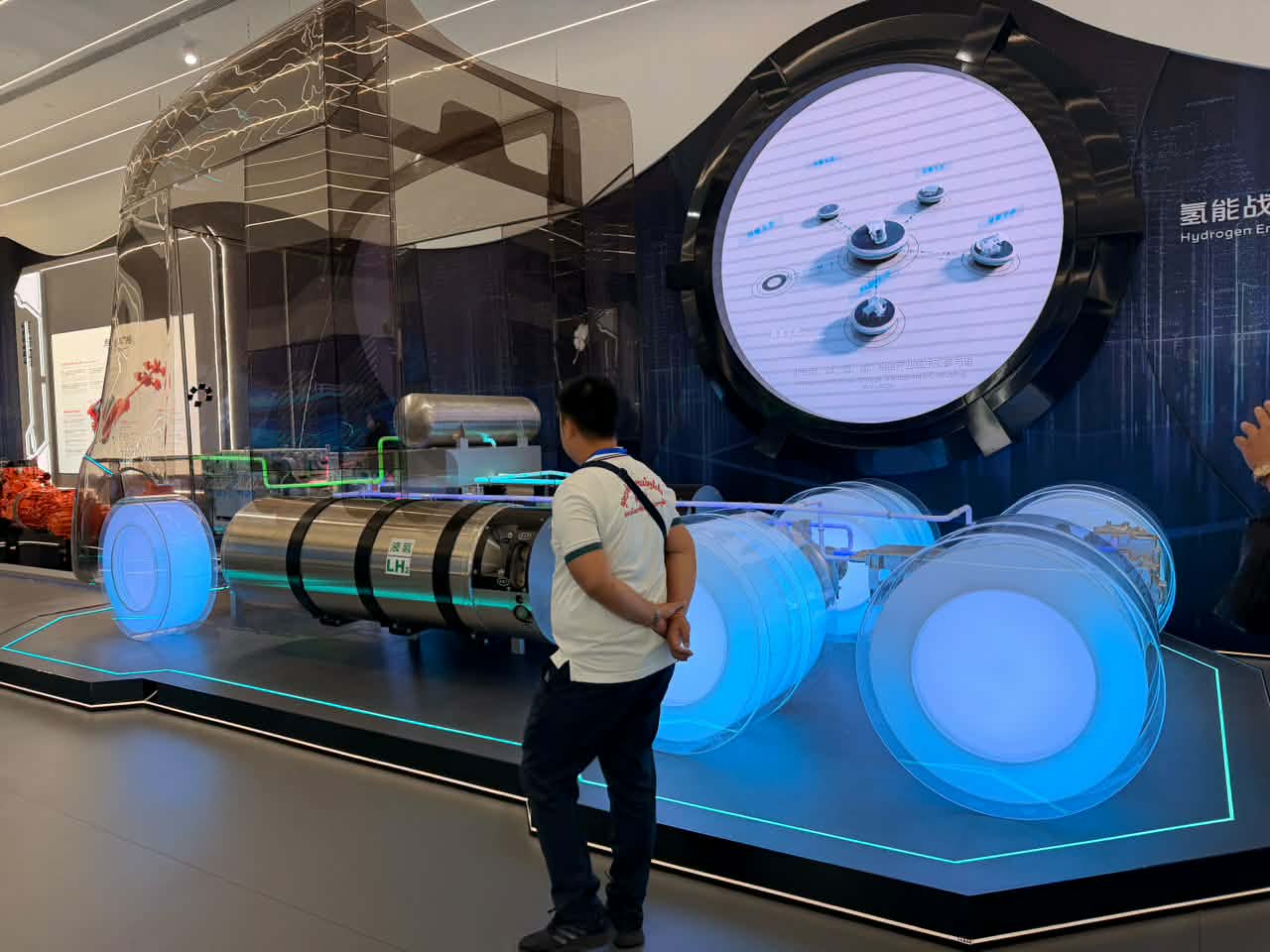
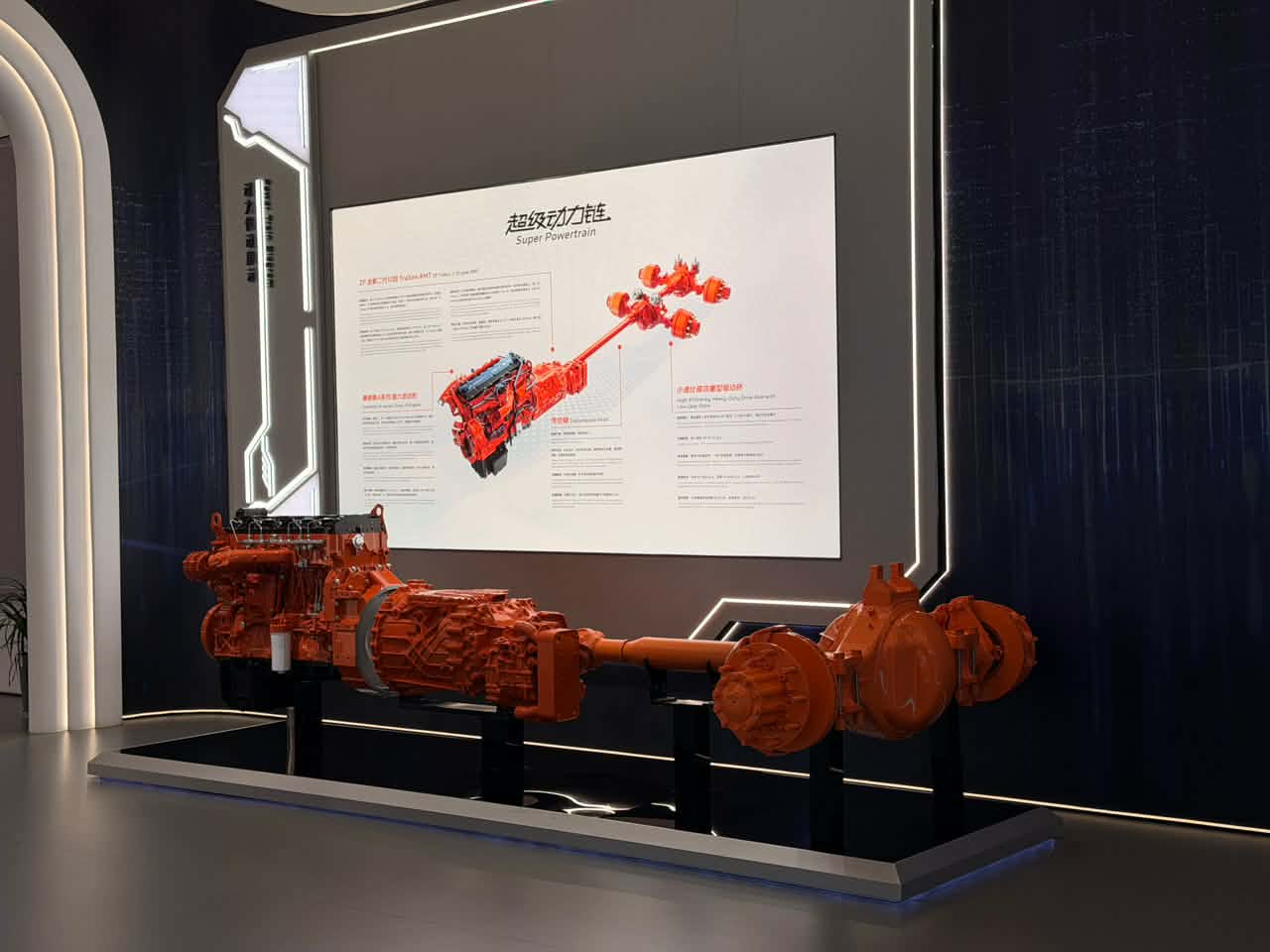
One of the company's important advantages is combining China's large production scale with international technological partnerships. FOTON cooperates with technology companies such as Cummins, Daimler, ZF and CATL, while at the same developing its own technologies in the production of electric motors, batteries, hydrogen-powered fuel equipment, and intelligent transportation systems.
One of the company's most notable innovations is the platform called "Truck of the future," which is designed for vehicles with diesel, hybrid, electric, and hydrogen fuel-powered engines.
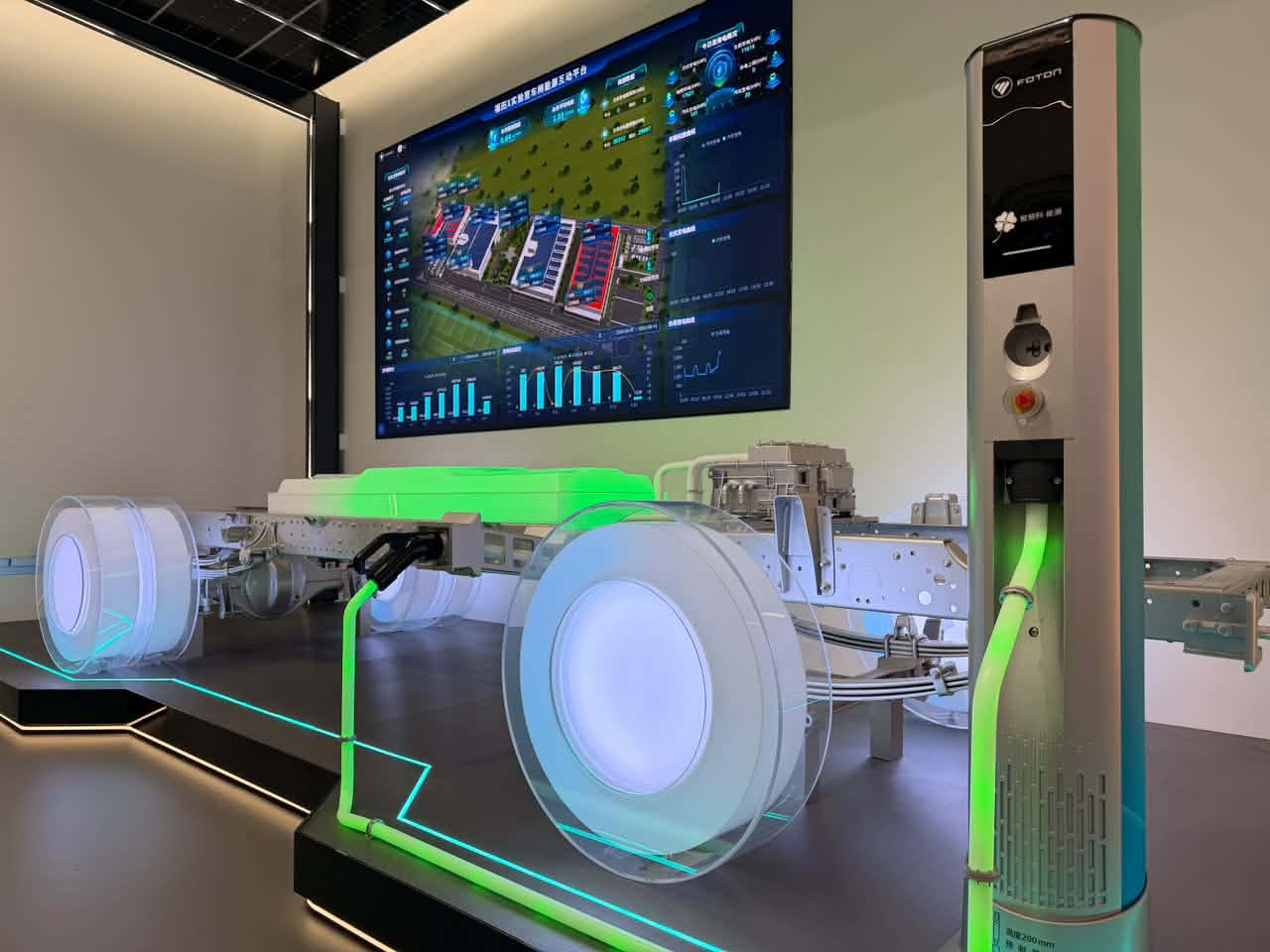
Also, FOTON produces quick battery replacement systems, high-efficiency electric motors, and low-temperature battery technologies. One of the developed systems is equipped with the entire necessary infrastructure for charging a vehicle. With electricity transferred from solar energy accumulators, vehicles can be charged in an autonomous device forming a single circuit, which makes it possible to solve the problem of charging a vehicle battery anywhere without a constant and traditional source of electricity.
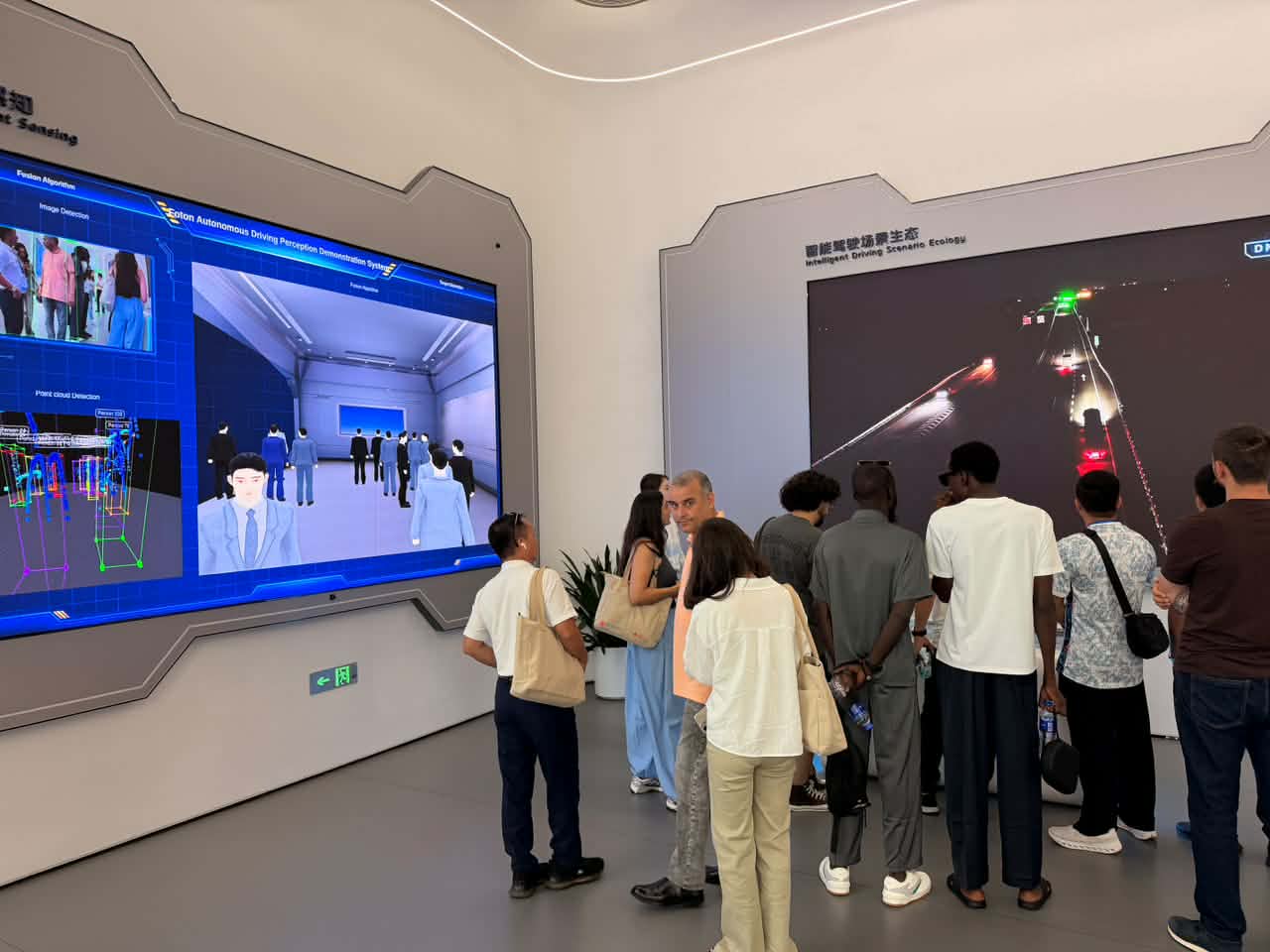
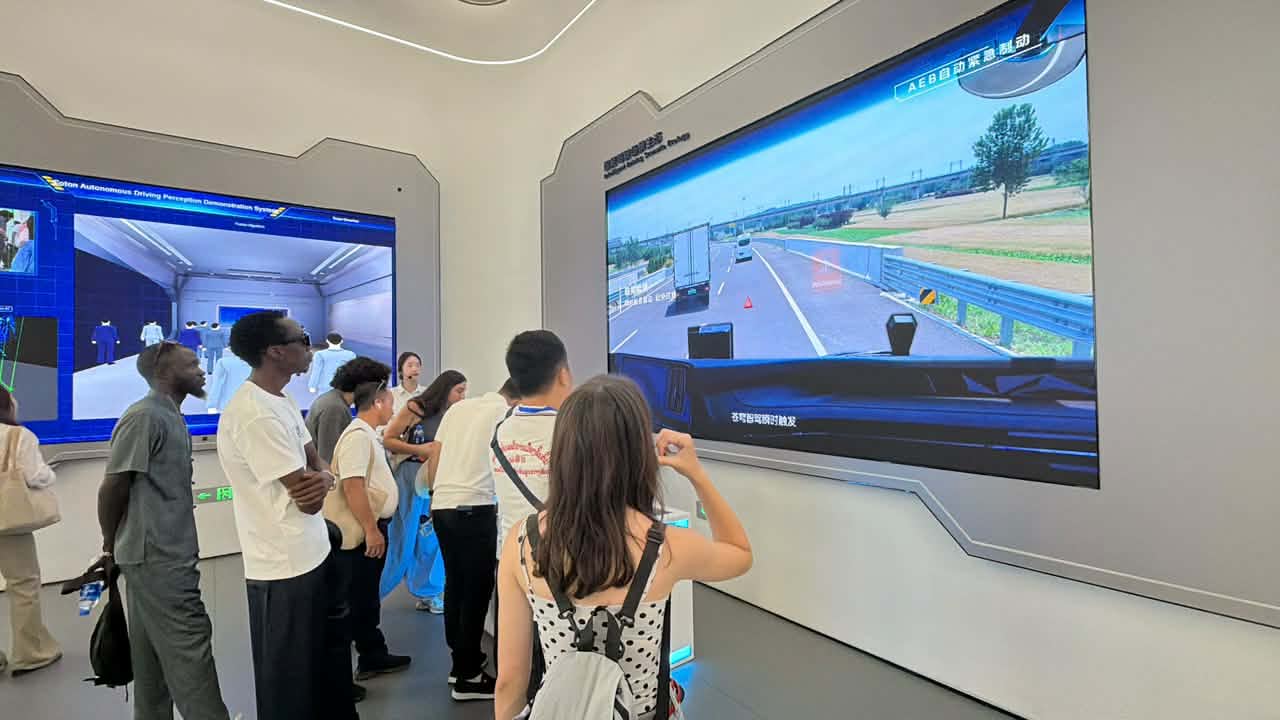
Digitalization is also one of the company's important directions. FOTON's integrated transport management platform enables fleet management electronically, remotely detecting possible technical problems and monitoring the management process. Moreover, the company's vehicles are equipped with technological sensor solutions that can provide an early warning signal and stop the vehicle if the driver suddenly falls asleep at the wheel and there is a risk of an accident.
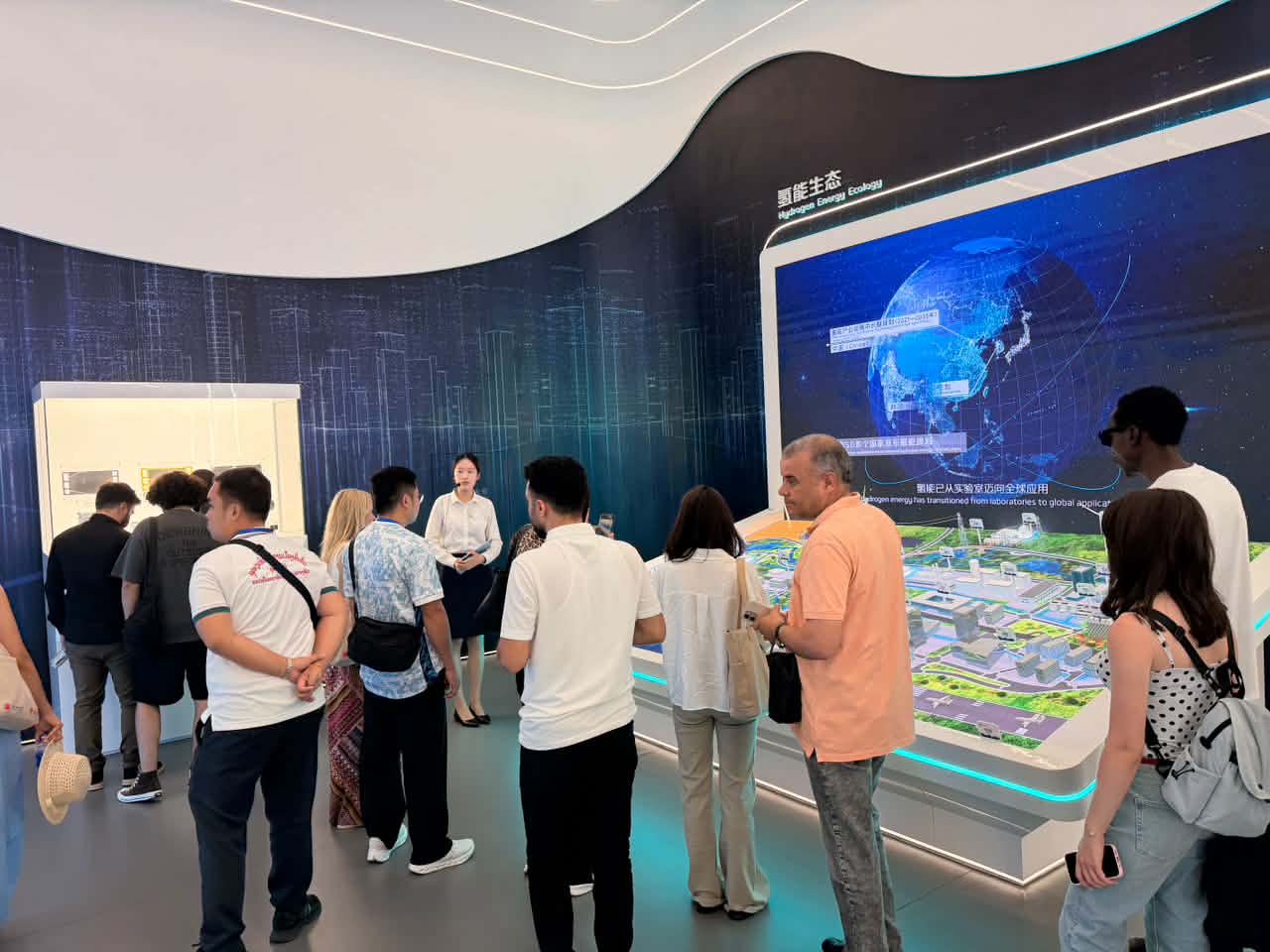
In general, FOTON's strategy is not based on one single revolutionary technology. Instead, the company is trying to combine electric mobility, hydrogen technology, connectivity, automation, and large-scale production in one complete ecosystem, which enables it to occupy a significant place in the global market.