make preferable
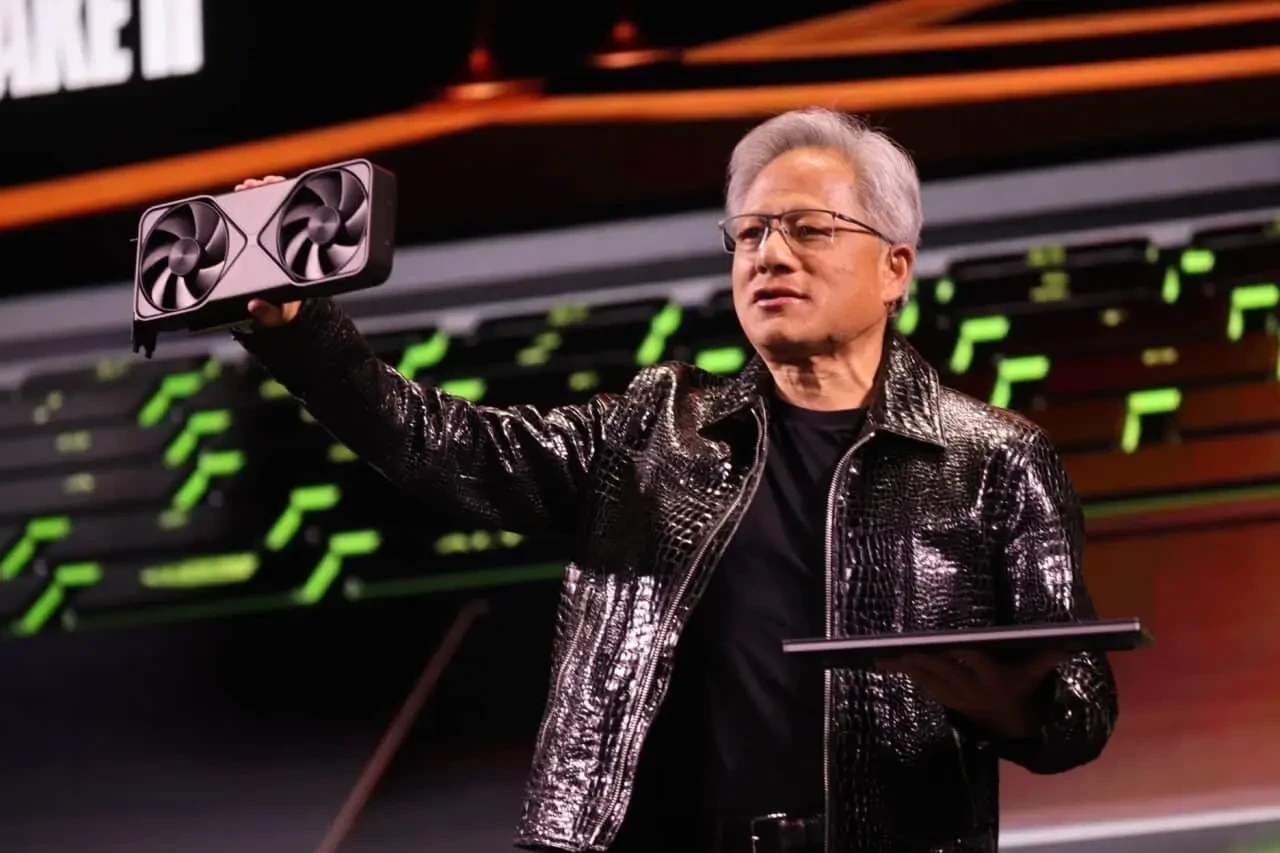
NVIDIA founder Jensen Huang has stepped down as chief executive with immediate effect after a series of reports about his extramarital relationships escalated into a major corporate crisis. Recent revelations about alleged relationships with company employees intensified pressure on the CEO, while the board, which had already launched an independent investigation into his relationship with a customer, held an emergency meeting to discuss his future. Following the leadership shake-up, NVIDIA lost more than $180 billion in market value in a single trading session.
Huang announced his resignation on November 12. He is stepping down not only as president and CEO but also as a member of the company's board of directors. In its official statement, NVIDIA did not explain the reasons behind the founder's departure, limiting its comments to acknowledging his contribution to the company and the wider technology industry. Huang had led NVIDIA for 33 years.
From admission of infidelity to a board investigation
The crisis surrounding NVIDIA's CEO began with reports about his relationship with Alice Huang, a Chinese citizen and NVIDIA customer who is not related to Jensen Huang. Her name has also appeared in reports alleging possible links to Chinese intelligence, adding a political and corporate dimension to the controversy.
Initially, NVIDIA denied that there was anything unusual about the CEO's relationship with the woman. However, on November 8, Huang sent a letter to company employees admitting that he had been unfaithful to his wife, Lori, and apologizing to his family and colleagues. He did not directly mention Alice Huang by name.
Following the admission, NVIDIA's board hired the law firm Wachtell, Lipton, Rosen & Katz to conduct an independent investigation. The inquiry focused on the circumstances surrounding Huang's relationship with the company's customer. Lawyers advised him to remain at the helm of NVIDIA while the investigation was underway.
The situation took a dramatic turn on November 11, when The New York Times reported another alleged extramarital relationship involving Huang and Kimberly Powell, NVIDIA's vice-president of healthcare. According to the publication, the two were filmed displaying affection at a hotel during a company conference in March.
After Huang's resignation was announced, Reuters reported yet another alleged relationship between the former CEO and a female NVIDIA employee. This brought the number of publicly reported alleged extramarital relationships involving the company's chief to three.
According to The Guardian, the latest reports intensified pressure on the board. A meeting was held late on November 11 to discuss Huang's future. The following day, the company announced his immediate departure.
NVIDIA loses more than $180 billion in a single day
Huang's resignation triggered a sharp reaction on the stock market. NVIDIA shares fell 13% after trading opened on Thursday. Although the stock partially recovered by the close, it still ended the session down 4.3%.
NVIDIA's market capitalization dropped by more than $180 billion in a single trading session. Its losses for the week reached approximately $490 billion, leaving the company valued at around $4 trillion.
The scale of the market reaction reflects more than the scandal itself. Huang has been the central figure in NVIDIA's modern history, and his departure marks a major leadership transition at a company that sits at the heart of the global artificial intelligence boom.
US President Donald Trump, who had previously publicly defended Huang, suggested former Apple CEO Tim Cook as his successor following the resignation. In a social media post, Trump described Cook as the only suitable candidate for the position.
Other potential contenders mentioned by the media include Arm CEO Rene Haas and AMD CEO Lisa Su.
Who will lead NVIDIA after Huang?
NVIDIA will be temporarily led by Colette Kress, who has served as the company's executive vice-president and chief financial officer. She joined NVIDIA in September 2013, having previously spent nearly 25 years in finance roles at Cisco and Microsoft.
Kress will retain her position as CFO until a permanent CEO is appointed. The board has already begun searching for a successor, considering both internal and external candidates.
NVIDIA also announced the appointment of Harvey C. Jones as the company's first-ever chair of the board. Jones has more than 30 years of experience in the technology and venture investment sectors and previously served as CEO and executive chairman of Synopsys.
Ian Buck, who oversees NVIDIA's AI hardware and software products, has also been mentioned among potential internal candidates. Huang's children, Madison and Spencer, also work at the company, although media assessments suggest they currently lack the management experience required for its top leadership position.
In her first statement following the appointment, Kress emphasized her intention to continue pursuing the strategy Huang had established over his 33 years at the company. NVIDIA will continue developing accelerated computing and artificial intelligence technologies. The board has assured customers and investors that the leadership transition will not disrupt the company's operations, customer commitments or product roadmap.
The next major test for NVIDIA's new leadership will come on November 17, when the company is scheduled to release its financial results for the third quarter of fiscal 2027. The earnings report and investor conference call will take place as previously planned.