

Artificial intelligence detects prostate cancer more often than radiologists - study
Scientists develop a special test to detect prostate cancer at an early stage

Smart bandage created in Russia to treat wounds based on electrostimulation

Scientists grow human mini-lungs in lab

Nature: ‘Mini liver’ to grow for first time in human body in US
APL Materials: Antibacterial hydrogel is developed for treatment of non-healing wounds

Science: drug cresomycin could prevent up to a million fatal infections

The Lancet: Drug discovered that prevents rheumatoid arthritis

Pig whose organs can be transplanted into humans is obtained in Japan for first time

Cell Stem Cell: 3D printer creates living brain tissue

'Smart glove' can boost hand mobility of stroke patients

Bladder tumors reduced by 90% using nanorobots

Scientists develop biorobotic heart to explore new treatments

Scientists destroy 99% of cancer cells in lab using new technique with 'vibrating molecules'

Harvard’s robotic exoskeleton can improve walking, decrease falls in people with Parkinson’s
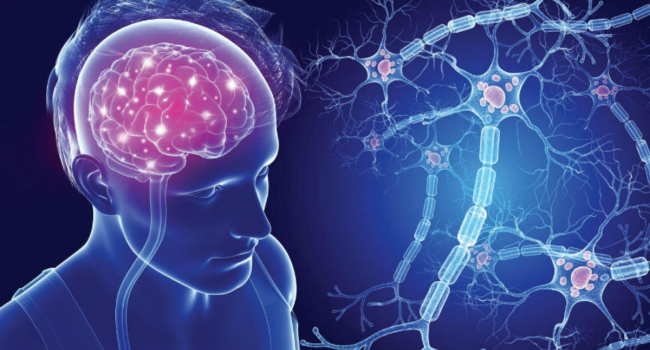
Scientists develops potential new drug treatment for multiple sclerosis

Scientists produce human norepinephrine neurons from stem cells, with significant implications for researching diseases like Alzheimer’s and Parkinson’s
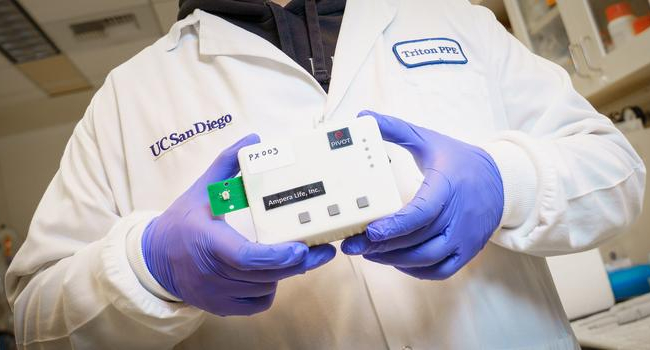
A handheld, wireless system to detect Alzheimer's and Parkinson's biomarkers non-invasively
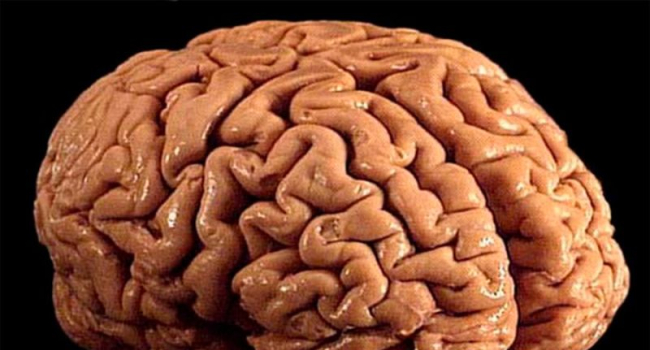
Spanish researchers open first biobank for living human brain samples

“Erebuni” Medical Center has announced the launch of the Erebuni Med mobile app
HIV drug ready for clinical trials
AI analysis will predict future disease from bone density scans

First robotic liver transplant in U.S. performed by Washington University surgeons

Avak Kahvejian: AI, machine learning can help in development of new drugs

When will the revolutionary method of heart failure treatment become available? Interview with Roger Hajjar
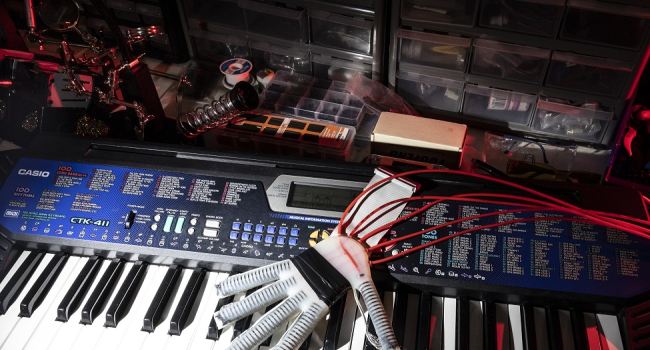
Robotic glove lends a ‘hand’ to relearn playing piano after a stroke

Scientists say first synthetic human ’embryo’ created
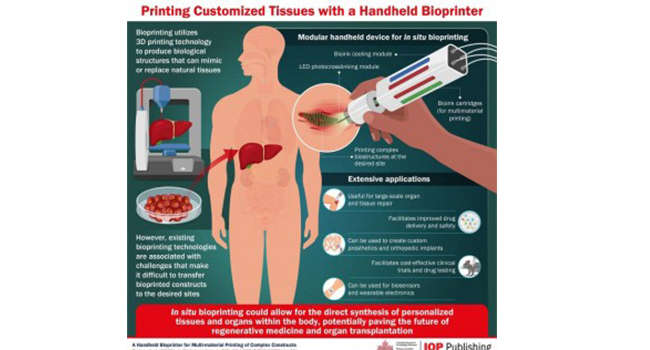
Researchers have developed a handheld bioprinter that could allow for the bioprinting of organs compatible with the human body

Programmable 3D printed wound dressing could improve treatment for burn, cancer patients
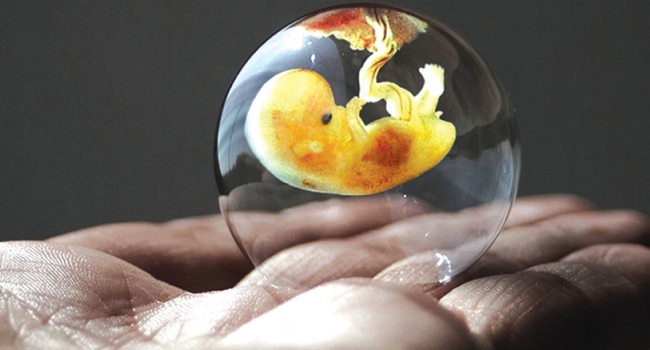
First UK baby born with DNA from three people

