make preferable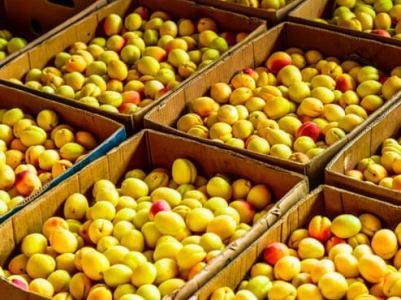
The UK newspaper The Guardian touched upon the attacks of Azerbaijanis on Armenians in Moscow in connection with the tension on the Armenian-Azerbaijani border.
"Moscow’s fruit stalls become frontline of a border skirmish 2,000 miles away. New violence between Armenia and Azerbaijan has provoked anger and boycotts throughout the two countries’ diasporas," The Guardian reported.
"When Saribek Gevorkyan heard reports that Food City, a vast food distribution centre owned by entrepreneurs from Azerbaijan, had suddenly blocked Armenian farmers and turned away 50 truckloads of fresh apricots, he took action. He offered space for free in his own shopping centre to the farmers, helping to host a fruit rescue mission that its organisers have dubbed “Operation Apricot," the agency said.
“We told our friends that in the Russian Federation nobody can close their doors to us Armenians,” boomed Gevorkyan, the owner of the Shelkovy Put (“Silk Way”) shopping centre. “The Russian Federation is open for everyone to come here, make money, and sell goods.”
It is noted that the clashes on the Armenian-Azerbaijani border in July were the most serious in four years.
"Their aftershocks have rippled around the world, sparking violent skirmishes among diaspora communities in the US and Europe and a small-scale economic war in Moscow."
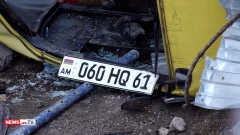
The article mentions the attack by Azerbaijanis on drivers of cars with Armenian license plates in Moscow on the night of July 24.
"To save the freshly harvested apricots from spoiling, organisers in Moscow’s Armenian diaspora sent out an online alert on behalf of several shopping centres that had given free space to the farmers to sell their stock," The Guardian noted. "The online messages attracted thousands of people, launching an impromptu celebration of the apricot, an Armenian staple. At one shopping centre, people danced a traditional kochari as buyers lugged away crates of fresh fruit."
"While the “apricot war” has ended, there are new reports of Azeri-run businesses barring Armenian products. On Thursday, the Armenian ambassador to Moscow told the news site RBC that Armenian canned foods, mineral water and cognac had all disappeared from a major Moscow supermarket chain owned by an Azeri businessman."
“Even in 2016 during the four-day war with Azerbaijan … there wasn’t this mood in Moscow. This economic war: there’s not been anything like it before,” said Tonoyan, the director of the Armenian Museum of Moscow and Culture of Nations.