make preferable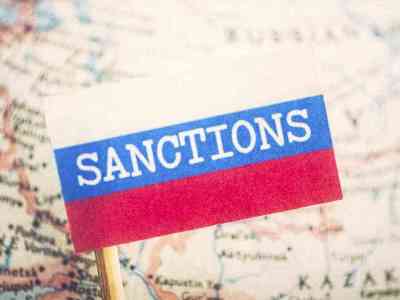
Based on a thorough analysis of the balance of power on the battlefield, the political objectives of the conflicting parties, and the interests of global actors, the Foreign Intelligence Service of Armenia assesses the stable and long-term resolution of the ongoing conflict between Russia and Ukraine in 2026 as unlikely. This is stated in the “Russia-Ukraine” section of the 2026 report on Armenia’s external risks published by the Foreign Intelligence Service of Armenia.
The report adds as follows, in particular: “Despite the current intensity of the negotiations, in 2026 the sides will highly likely continue to pursue mutually exclusive goals and diametrically opposing positions over issues that each defines as vital for itself. This will, in turn, preserve grounds for the military expression of the conflict.
It is likely that Ukraine will maintain its ability to resist Russia’s military activities in 2026. At the same time, in terms of the potential to successfully continue warfighting, Russia has an significant advantage in the medium term.
Another key challenge for Ukraine is ensuring internal stability. In conditions of a war of attrition, objectively accumulated internal disagreements and active geopolitical tensions even the narrative of elections per se carries a large risk of unpredictable consequences.
Nevertheless, at least a substantial part of sanctions imposed on Russia will almost certainly stay in force, which will continue posing risks for Armenia’s economy, including in terms of secondary sanctions. At the same time, the continuous polarization between certain geopolitical centers will highly likely exacerbate the existing risks in terms of balancing Armenia’s foreign political and economic relations.”