make preferable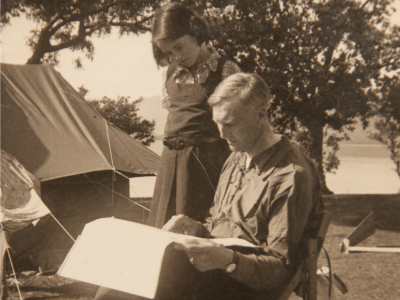
The biography of Armin Wegner, the German medic and humanist, defender of the Armenian and Jewish nations came out in Italy. The author of the book, Gabriele Nissim, is one of the co-founders of the international human rights organization Gardens of the Righteous Worldwide. Among the co-founders is also the Italian public figure and Consul of Armenia in Italy Pietro Kuciukian. The Italian newpaper Il Fatto Quotidiano referred to the recently-published book in one of its articles:
“Dreamer and reckless Don Quixote. But fist and foremost a righteous man. All this is Armin Wegner. German writer and militant pacifist, medic-volunteer during the World War I, he was the first to openly condemn the extermination of Armenians. And twenty years later he was among the very few people who ran the risk to write a letter to Hitler, in which he urged the latter to stop the perpetration of Jews.
Gabriele Nissim, inspired by Wegner’s life story, chose exactly the title ‘Letter to Hitler.’ for his biographic book.
It turns out that Wegner, despite being stunned by the atrocities and possessing the photos taken by himself, had to keep silent for years. Moreover, in the notes from Constantinople and in the articles, written after returning from war, he praised the revolution of the Young Turks.
Only after three years, in November 1918, Wegner told in the newspaper Der Neue Orient what he had seen. “We knew everything, but we were forced to conceal while the war was going on,” he wrote.
The letter addressed to Hitler after 15 years was perhaps born from the horrors, which he saw, from the guilt which he bore in himself as a soldier of an accomplice-state. But his love for his wife and three children overweighed and gave him courage to throw down a gage to the Fuehrer. Wegner’s wife was a Jew.
When she returned home on April 1, 1933, terrified with the shop inscriptions reading “Jews entrance prohibited” and the zeal with which the soldiers followed the order, Wegner realized he could no longer keep silent. He sent the letter to Hitler on July 20 of the same year. “The day will come when April 1, 1933 and the following weeks will be remembered as time of shame for the sins,” he wrote. As early as 1933, long before the mass deportations and gas chambers, Wegner wrote: “Mr. Reich Chancellor, protect Germany by protecting the Jews!”