make preferable
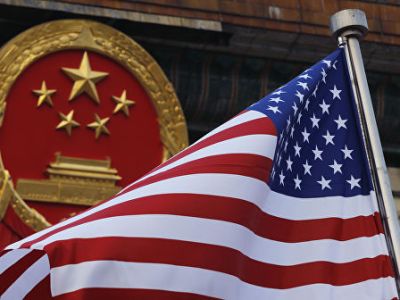
The US has said China is playing a "blame game," distorting trade talks between the two countries, a statement from the Office of the United States Trade Representative (USTR). said.
“The United States is disappointed that the Chinese have chosen in the “White Paper” issued yesterday and recent public statements to pursue a blame game misrepresenting the nature and history of trade negotiations between the two countries. To understand where the parties are and where they can go, it is necessary to understand the history that has led to the current impasse,” the source noted. “Based on these findings, the President directed his Administration to take effective action to address China’s harmful and distortive actions under both U.S. law and any applicable international agreements. The President directed USTR to challenge China’s unfair trade practices at the World Trade Organization but also to impose tariffs on China to offset the damage to U.S. industry caused by China’s conduct. In response, rather than working constructively to address our concerns, China doubled down and retaliated by imposing unjustified tariffs on American exports, and the United States responded with additional tariffs.”
“It is important to note that the impetus for the discussions was China’s long history of unfair trade practices. Our negotiating positions have been consistent throughout these talks, and China back-pedaled on important elements of what the parties had agreed to. One such position was the need for enforceability, a position necessitated by China’s history of making commitments that it fails to keep. But our insistence on detailed and enforceable commitments from the Chinese in no way constitutes a threat to Chinese sovereignty. Rather, the issues discussed are common to trade agreements and are necessary to address the systemic issues that have contributed to persistent and unsustainable trade deficits,” the statement added.
The last round of the US-China trade talks ended in mid-May without reaching any agreement, amid another increase in US duties on Chinese goods. The US raised tariffs from 10% to 25% on Chinese imports amounting to about $ 200 billion.
US President Donald Trump also ordered to begin the process of increasing duties on all remaining imports from China, which is estimated at about $ 300 billion. In response, Beijing, from June 1, raised duties on the importation of goods from the US in the amount of $ 60 billion.