make preferable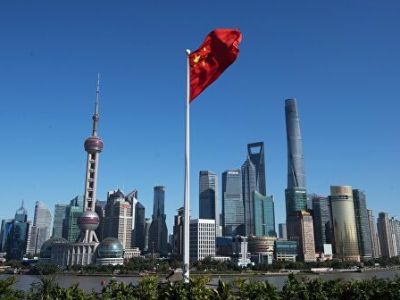
China's departure from its "zero Covid" policy could increase demand for natural gas, which could limit supplies to Europe and other Asian countries, Bloomberg reported.
China's national offshore oil corporation is now seeking to secure additional supplies of the supercooled fuel next year. The return to the market of one of the country's biggest buyers of liquefied natural gas follows a period of reduced demand due to the suppression of economic activity by viral restrictions and could herald a recovery in imports.
Beijing's desire to reopen its economy and live with Covid-19 has led to the lifting of most domestic restrictions in the past few weeks. This will compound the problem for Europe next year as it prepares for the winter of 2023/24 with little or no natural gas.
According to Wang Zhen, president of the Cnooc Institute for Energy Economics, Chinese gas imports in 2023 are likely to be 7% higher than this year.
The forecast contradicts still weak industrial demand. Many factories will send workers home earlier than usual for the lunar New Year holiday, while local production and Russian supply flows are rising.
But there are already signs that China needs to increase its LNG purchases to prepare for next year. According to research group ENN Energy, inventories at northern ports are depleting faster than usual due to cold weather and have fallen to average or low levels, while domestic LNG prices are trending upward.
Even worse, the decline in pipeline gas supplies from Central Asia means China may have to rely more on offshore LNG to meet projected demand growth. This would put state-owned energy companies in direct competition with Europe for offshore fuel supplies from major suppliers, including the United States and Qatar.
All of this could make it even more difficult for developing countries to secure supplies for power plants and heating fuel. This could increase the frequency of power outages in countries such as Pakistan, Bangladesh and the Philippines.