make preferable
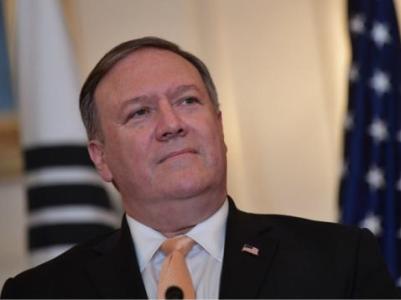
The US Secretary of State Mike Pompeo arrived on an unannounced visit to Iraq following the cancellation of a planned trip to Berlin amid aggravated tensions with Iran, CNN reported.
The US secretary of state met the Iraqi Prime Minister Adil Abdul-Mahdi and President Barham Salih, and explained the US's security concerns to them.
Pompeo said his meetings were "productive" and he spoke to the officials "about the importance of Iraq ensuring that it's able to adequately protect Americans in their country.”
"They both provided assurances that they understood that was their responsibility," he said.
According to him, the US "wanted to let them know about the increased threat stream that we had seen and give them a little bit more background on that so they could ensure that they were doing all they could to provide protection for our team.”
The US officials told CNN the US had "specific and credible" intelligence that suggested Iranian forces and proxies were planning to target US forces in locations including Iraq. That intelligence led the Pentagon to recommend a carrier strike group be moved to the region. Speaking to the press pool following his visit, Pompeo reiterated that it was the US' understanding that "these were attacks that were imminent, these were attacks that were going to happen fairly soon, we've learned about them and we're taking every action to deter them.”
"The central messages are this: We want to make sure that Iraq is positioned so that the relationship that we've built with them and that our allies in the region have built with them -- allies that range all across the Gulf, who understand that the primary threat in the Middle East is Iran -- remains strong, that those relationships remain strong," he said.
According to Pompeo, he and officials discussed how to defeat the remaining pockets of ISIS in the country and foreign terrorist fighters being held in detention camps. He also noted he would discuss "big energy deals that can disconnect (Iraq) from Iranian energy," he said afterward that although they spoke about energy infrastructure, they "didn't spend much time talking about sanctions issues."