make preferable
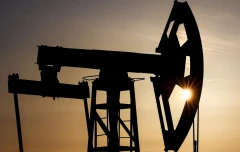
The oil shortage on the global market will be resolved only gradually, while reserves are approaching minimum levels, threatening problems for the physical infrastructure of the energy sector. This warning is contained in a new analytical note by the International Monetary Fund (IMF), published on its blog.
"Whenever the recovery in supply begins, the oil shortage will disappear only gradually. Because of this, inventories will approach operational minimums — levels below which continued operation is associated with damage to the physical system itself (the infrastructure of the fuel and energy sector)," IMF experts emphasize, commenting on the situation around the Strait of Hormuz.
On February 28, the United States and Israel launched a war against Iran. The largest Iranian cities, including Tehran, came under attack. The Islamic Revolutionary Guard Corps (elite units of Iran’s armed forces) announced a large-scale retaliatory operation, attacking Israel. U.S. military facilities in Bahrain, Jordan, Iraq, Qatar, Kuwait, the UAE, and Saudi Arabia were also struck. In addition, the Iranian authorities decided to close the Strait of Hormuz to vessels linked to the United States, Israel, and countries that supported aggression against the Islamic Republic. Approximately 25% of global oil trade and about 20% of liquefied natural gas trade pass through the strait.
In June, Washington and Tehran signed a memorandum of understanding providing for an immediate cessation of hostilities on all fronts, including in Lebanon. However, on the night of July 8, the United States resumed large-scale strikes on Iran, accusing it of violating the terms of the agreements reached regarding the Strait of Hormuz. U.S. President Donald Trump said on July 10 that the ceasefire with Iran was no longer in effect, but that the negotiation process was continuing.