Preferred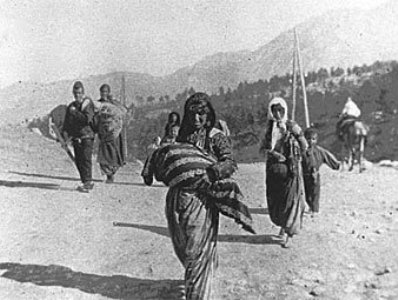
There is an ongoing discrimination against the Kurds, and the measures taken for its prevention are yet insufficient, the Turkish analyst Günal Kursun writes in an article in Today's Zaman.
According to him, Turkey still has dominant identities: Turks against Kurds, Muslims against non-Muslims and Sunnis against Alevis. The Young Turks party, which ruled the last years of the Ottoman Empire, saw all minorities as a threat to the existence of the state.
“This mentality resulted in the Armenian Genocide of 1915, aiming at the transfer of capital to Turks, and had an effect on the new republic with a huge perception that it was under threat,” Kursun writes.
The Turks, according to him, have problems with self-confidence, and they think the Kurds will stab them in the back. “In fact, we do not trust anyone else. It is taught in schools that “Turks have no friends other than Turks.” I really don't think that such a psychology exists in any other nations in the world. Is there something like “as strong as a Spanish person” or “Swedes have no friends other than Swedes”?” the author asks.
In the analyst’s words, exactly this psychology led to Kurdophobia, which itself created similar hatred, on the Kurdish side, “Forbidding the expression of an identity, torture and the ill-treatment of government officials has created a terrorist organization. Many observers share the idea today that the current acquisitions of the Kurdish movement -- like the repeal of the ban on the Kurdish language, the expression of cultural symbols such as Kurdish music and TV channels broadcasting in Kurdish -- are concrete successes achieved by the Kurdistan Workers' Party (PKK). Maybe this is true and maybe not, but ordinary Kurds support the PKK today because they believe that the government has not given them anything but after the establishment of the organization and when its actions became visible, their rights increased,” he writes.