Preferred
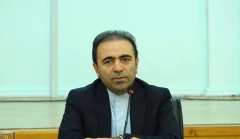
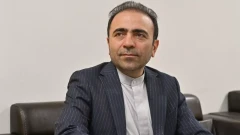
Armenians residing in the Netherlands are prone to influencing the New Year traditions established in that country. Representative of Hague-based Abovyan Cultural Union Mato Hakhverdyan told the aforesaid to Armenian News – NEWS.am correspondent.
“Armenians arrive in the Netherlands from different countries, bringing with them the traditions of the states from where they have arrived. Regardless of where they were born and grew up, it’s very important for Armenians to celebrate New Year with their family members, relatives and friends. In the Netherlands, fireworks are usually set off on the very first moment of New Year. 16 million residents spend 60 million euro on this annually. On New Year’s Eve they become active participants of the firework holiday,” Hakhverdyan said.
.JPG)
In his words, on New Year the Dutch burn their Christmas trees right on the street, while the “green beauty” of the Armenians stands in their houses till January 7.
Armenians of the Netherlands, who arrived in that country from Turkey and Iraq, celebrate the holiday at home as a rule, while Armenians from Iran and Armenia like to visit clubs and festivity halls that night or spend it with friends. “Armenians lay just wonderful tables everywhere. They enjoy themselves through dances, songs, music, food and drinks. In contrast, the Dutch stay home, watch the New Year program by TV and at midnight go out to watch the fireworks and congratulate their neighbors. They sometimes raise their glasses together and wish success and health to each other,” Mato Hakhverdyan said.
.jpg)
Abovyan Cultural Union, established in 1984, also organizes festivities, which are attended by several dozens of families. According to Hakhverdyan, the Santa Clause, which gives presents to the kids, is always present during those festivities; joyful Armenian music plays and everyone dances and enjoys themselves. “The holiday lasts till the morning. We also watch the Armenian New Year TV program via the satellite and celebrate the beginning of New Year in Armenia at 9:00 local time,” Hakhverdyan concluded.
.JPG)