make preferable
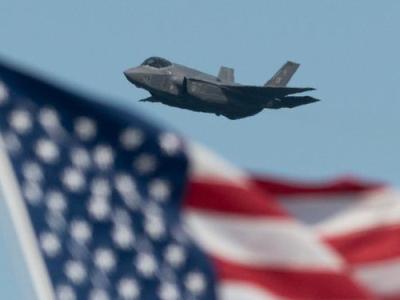
The United States remains the world leader in the sale of weapons and military equipment, while Saudi Arabia occupies first place in the purchase of weapons, DW noted referring to the Stockholm International Peace Research Institute's (SIPRI) report on Monday.
Overall, the volume of international arms trade between 2016 and 2020 remained unchanged compared to the previous five years: a significant increase in shipments by three of the five largest arms exporters - the United States, France, and Germany - was largely offset by declines in Russian and Chinese exports of weapons.
Arms sales have not grown in 10 years
For the first time since 2001-2005, sales of major weapons did not increase between 2011-2015 and 2016-20. Nonetheless, the scale of the arms trade remains close to its highest level since the end of the Cold War.
The US is the world leader in arms sales
The United States continues to be the world's largest arms exporter, accounting for more than a third of the world's total. At the same time, the share of American exports in the world arms trade during this period increased from 32 to 37 percent. Over the past five years, the United States has sold arms and military equipment to 96 countries, far more than other arms suppliers.
Almost half of the arms shipments from the United States (47%) are in the Middle East, the main buyer (24%) is Saudi Arabia. US arms exports grew 15 percent between 2011 and 2020, further widening the gap between the US and the second-largest arms exporter, Russia.
Russian arms sales fell
Russian arms exports, which accounted for 20 percent of all global sales in 2016-2020, fell by 18 percent over this period - which is comparable to the period from 2011 to 2015. Nearly 90 percent of this reduction is attributable to the 53 percent drop in Russian arms sales to India over the past five years.
Germany and France are increasing the volume of arms exports
The third-largest arms seller in the world is France, which increased sales of major weapons by 44 percent in 2016-2020 and provided 8.2 percent of the global arms market. Paris has major supply deals with India, Egypt, and Qatar, which account for 59 percent of French arms exports.
Germany remains the fourth largest arms supplier in the world. Over the past 10 years, the country has increased its arms exports by 21 percent, accounting for 5.5 percent of the global arms trade. Germany's main clients include South Korea, Algeria, and Egypt.
China closes the five largest arms exporters in the world. Its sales have declined by 7.8 percent over the past five years and accounted for 5.2 percent of world trade in military equipment. The main buyers of Chinese weapons were Pakistan, Bangladesh, and Algeria.
The main importers of weapons are the countries of the Middle East
Most of the weapons are exported to the Middle East. The share of imports of major weapons in the region over the past five years has grown by 25 percent compared to the previous same period. This was a reflection of regional strategic competition among several states in the Gulf region.
The world's largest arms importer, Saudi Arabia, increased its arms purchases by 61 percent and Qatar by 361 percent. Arms imports by the United Arab Emirates (UAE) are down 37 percent, but several contracts for the supply of large weapons, including the 2020 agreement to buy 50 US F-35 fighter-bombers, suggest that the country will increase imports. weapons in large quantities.
Egypt has increased its arms purchases over the past 10 years by 136 percent. A country that rivals Turkey in the development of hydrocarbon resources in the eastern Mediterranean, has invested heavily in strengthening the navy.
Turkish arms imports fell 59 percent between 2011 and 2020. This was largely influenced by the refusal of the United States in 2019 to sell F-35 fighter-bombers to Ankara after Turkey bought anti-aircraft missile systems from Russia. To reduce its dependence on imports, Turkey is also increasing its domestic production of major weapons.