make preferable
German Chancellor Olaf Scholz's unilateral decision to call Russian President Vladimir Putin on Friday ended nearly two years of isolation of the head of state by top NATO leaders, analysts Nick Paton Walsh, Alex Marquardt and Saskya Vandoorne wrote on the pages of CNN's website.
According to the authors of the article, this was unpleasant news for Ukrainian President Volodymyr Zelensky in a 72-hour period marked by the White House finally granting his request to allow U.S. long-range ATACM missiles to be fired at Russia. Zelensky was outraged that the call had opened a “Pandora's box”. He said: “It is extremely important for Putin to weaken his isolation.”
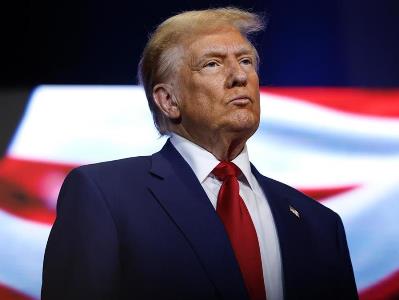
Hours later, Zelensky seemed to acknowledge the impetus for talks, saying that once U.S. President-elect Donald Trump takes office, “the war will end faster” because that is the promise Trump made to his voters.
Scholz said his conversation with Putin showed that the Russian leader's hardline positions on Ukraine had not changed, but added that it was important for Europe to talk to Putin if Trump was going to do the same.
The hour-long conversation marked a return of diplomacy to the decades-old conflict, although their conversation carried the familiar refrain “it's not time to talk yet.”
According to more than 10 interviews conducted by CNN with current and former officials and diplomats over the past week, the call brought a wild card to a Western alliance with widespread anxiety about the outcome of the conflict in light of Trump's election.
A diplomat familiar with the mood at NATO headquarters revealed that there is no certainty within the alliance that Trump will continue his support and peace talks, calling the next few months critical on the battlefield in Ukraine.
The uncertainty was also confirmed by a senior Ukrainian intelligence official who told CNN, “It's very dangerous to make predictions right now. We hope for the best!”
Most analysts believe that any deal would involve roughly freezing the front lines, with Moscow and Kyiv providing or receiving security guarantees to prevent a resumption of conflict.
The paper's authors note, however, that Russia continues to make small but consistent gains on the eastern front line, and would absorb roughly a fifth of Ukraine if new permanent frontline borders were agreed upon.
Kremlin critics also warn that in the past Russia has used diplomacy as a pause or obstacle to achieve its military objectives.
Topic
Location