Preferred
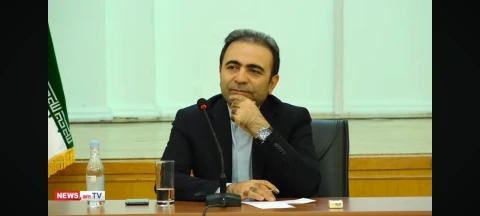
Armenia and Azerbaijan are faced with a serious problem of integration of cooperation between civil societies. Specifically, representatives of many influential international organizations are actually prohibited from visiting Nagorno-Karabakh, Coordinator of government regional projects on the South Caucasus Gervorg Ter-Gabrielyan told NEWS.am.
“It is no secret that the Armenians working at almost all the foreign embassies in Armenia, as well as for such international organizations as USAID, UNDP and others, are not free to visit Nagorno-Karabakh. Such visits are, as a rule, an exception,” Ter-Gabrielyan said. In this context he stressed that Nagorno-Karabakh residents’ participation in international events is a serious problem as well: organizers normally apply to Baku for permission, and requests are of course rejected.
“Only few organizations, for example, the Caucasian Institute of Mass Media, were able to get round the problems,” the expert said. He stressed that other unrecognized states are facing this problem as well. As to cases of Armenia’s preventing Azerbaijani civil society representative from visiting the country, Ter-Gabrielyan said: “I know that a young independent political analyst from Azerbaijan recently tried to visit Armenia. He even bought a ticket to Tbilisi, but at the last moment he returned it, arguing that the Armenian authorities refused to allow him to visit the country and did not fix an entry seal to his passport. He had arranged about visiting Armenia without the seal, but the Armenian authorities changed their mind at the last moment. Such a seal in the passport of an Azerbaijani citizen can cause a negative reaction in his country,” Ter-Gabrielyan said. He stressed that these measures are actually a response to Azerbaijan. Azerbaijan prohibits Armenians’ from visiting the country, with only few exceptions. Not only Armenian citizens, but also Armenians from abroad and foreign citizens that visited Nagorno-Karabakh, with seals fixed to their passports, are personae non gratae in Azerbaijan. All this only impedes the development of a peaceful dialogue.
Commenting on his interview with 1news.am, Ter-Gabrielyan stated that some of his thoughts of taken out of context. “When I said that Azerbaijan had adopted the right strategy by isolating Nagorno-Karabakh I meant that Azerbaijan may have adopted the right policy, isolating Nagorno-Karabakh, if it is seeking a military settlement of the conflict. Quite another matter is whether Azerbaijan proves successful. War means disaster for both sides. But I do not accuse the journalist that did his best and coordinated the general context of my interview with me. I’ve got used to it. Both Armenia and Azerbaijani journalists, as well as their colleagues from the other CIS member-states, are experts at inaccurately conveying shades of meaning thereby making interview ‘scandalous’. I think, however, that a dialogue between civil societies must not turn into ‘newspaper warfare’. Secondly, a dialogue is much more important than silence for fear of saying something ‘wrong’,” Ter-Gabrielyan said.
T.P.