make preferable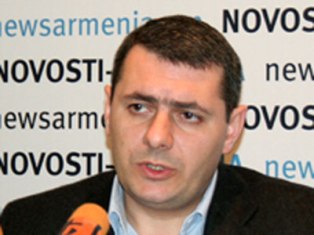
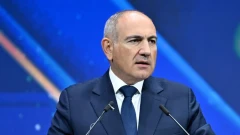
It is natural that some people in Javakhk had contacts with the Russian military base, but they were personal contacts, the political scientist Sergey Minasyan, Deputy Director of the Institute of Caucasus, told NEWS.am, commenting on the WikiLeaks-published the message John Tefft, the then U.S. Ambassador to Georgia, addressed in July 2007. In that message he accused Russia of provoking interethnic clashes in Javakhk, a Georgian region densely populated by Armenians.
As regards the part of the message about the heads of local communities and political activists confirming the information on the Russian Government’s sponsorship of Armenian nationalists, Minasyan pointed out that the Virk ?Party (an Armenian party not officially registered in Georgia) was not in question. “Moreover, due to official Yerevan’s serious political influence on public and political movements in Javakhk, no serious actions took place in Javakhk. Although no such information is available, official Yerevan would prevent any attempts by Russian special services to influence the local population,” he said.
On the other hand, if any provocations by Russian special service took place in Javakhk, they must have been aimed at individual political movements rather than at United Javakhk or Virk.
“Obviously, the Russian military base in Javakhk was an importance political and economic factor in the region – it was the principal employer for the local population. Therefore, it was quite easy for Russian special services to find individuals for provoking interethnic clashes,” Minasyan said.