Preferred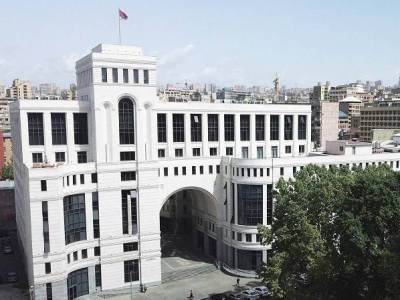
In order to build a real and lasting peace in the region, Azerbaijan and Armenia should find mutually acceptable solutions to all existing problems in the negotiation process, preventing further manifestations of hatred and enmity, says the statement issued by Ministry of Foreign Affairs of the Republic of Armenia.
"These problems include, among others, the establishment of solid legal foundations for the demarcation of the state border between Armenia and Azerbaijan, according to the Alma-Ata Protocols and the most recent maps of the Soviet region, the unblocking of the transport infrastructures of the region, based on the sovereignty, jurisdiction, equality, and reciprocity of countries, and the clear guarantee of the rights and security of the people of Nagorno-Karabakh. Moreover, we are convinced that the best way in the latter case is direct and substantive discussions between Baku and Stepanakert with international participation.
Meanwhile, the non-stop statements filled with hostility and hatred, the threat of force and provocations by the Azerbaijani authorities towards both the sovereign territory of the Republic of Armenia and the Armenians of Nagorno-Karabakh seriously question the sincerity and political will of the top leadership of that state to achieve peace in the South Caucasus. Moreover, Azerbaijan's actions are not only not aimed at addressing the many existing problems through constructive dialogue with Stepanakert, but on the contrary - consistently lead to ethnic cleansing in Nagorno-Karabakh.
The most recent evidence of this is the installation of concrete barriers by Azerbaijan in the [Berdzor] Lachin Corridor on June 22, 2023, and the blockage of any movement of people, goods and transport. As a result, the supply of food, medicine and basic necessities to Nagorno-Karabakh and the transfer of seriously ill patients have been completely stopped, even [under supervision] by the International Committee of the Red Cross. Along with the illegal blocking of the Lachin Corridor, the supply of gas and electricity to Nagorno-Karabakh has been disrupted for more than 6 months. The targeting of citizens carrying out agricultural works and subversive actions by the members of the Azerbaijani armed forces do not stop. In the conditions of the worsening humanitarian crisis, the extremely necessary access of international humanitarian and fact-finding missions to Nagorno-Karabakh continues to be hindered.
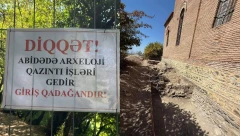
In this context, it is also necessary to remember the intimidation of the civilian population of Nagorno-Karabakh by Azerbaijan through social networks, as well as through local loudspeakers; the deliberate neglect of the obligation to ensure the return of displaced persons from Hadrut and Shushi regions; the capture and complete depopulation of Khtsaberd, Hin Tagher and Parukh settlements after the ceasefire was established on November 9, 2020; the destruction of Armenian cultural heritage in the Armenian settlements that came under the control of Azerbaijan, among others.
These actions are being carried out in defiance of the legally binding decisions of the UN International Court of Justice and numerous calls from the international community. Under these conditions, the international community cannot pretend to be blind and have illusions that the rights and security issues of the NK people can be addressed without special and urgent international attention, involvement and efforts. Addressing the rights and security of the 120 thousand Armenians of Nagorno-Karabakh within the framework of the international mechanism through the Baku-Stepanakert dialogue is necessary and vital. We consider it necessary to emphasize again that the Republic of Armenia will continue making sincere efforts to establish peace in the region," the message reads.