make preferable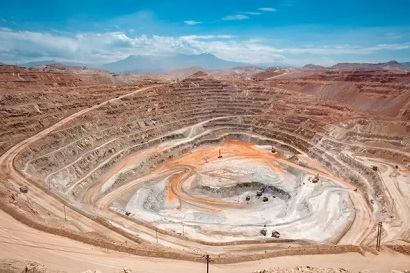
Copper mining is crucial for modern infrastructure, but traditional methods have a steep environmental cost, writes Interesting Engineering.
Mining operations contribute to deforestation, water pollution, and carbon emissions, often devastating local ecosystems. Scientists are racing to find cleaner alternatives, with global demand for copper skyrocketing—particularly for renewable energy and electric vehicle.
A groundbreaking initiative based in London is working to revolutionize copper mining, aiming to meet this demand while minimizing environmental harm.
The newly established Rio Tinto Centre for Future Materials at Imperial College London leads research into sustainable extraction techniques, exploring innovative methods such as geothermal brine mining and bacterial recovery systems.
The Rio Tinto Centre is pioneering new extraction techniques. One promising method involves harnessing naturally occurring copper-rich brines found in volcanic systems.
These underground reservoirs can be pumped to the surface with minimal disruption, using geothermal energy to power the process.
“That means we can extract the copper by pumping the brines to the surface via boreholes—which is relatively easy—and also use local energy to power the mine itself and possibly provide excess energy for nearby communities,” said Professor Matthew Jackson, chair in geological fluid dynamics at Imperial College. “We have already pinpointed promising sites in New Zealand, and there is potential in Japan.”