make preferable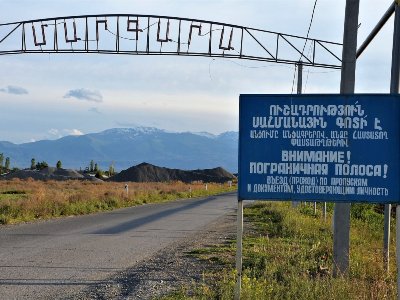
Turkey is considering reopening its land border with Armenia in the next six months, according to people familiar with the matter, doing away with Europe’s last closed frontier of the Cold War-era and paving the way to revived trade in the Caucasus, Bloomberg reports.
Turkey shut the border in 1993 in solidarity with ally Azerbaijan in the war with Armenia over Nagorno-Karabakh.
The diplomatic breakthrough with Azerbaijan and the reopening of the border with Turkey would give Armenian Prime Minister Nikol Pashinyan an important boost as he heads for parliamentary elections in June. If he wins a new term, Azerbaijani President Ilham Aliyev could work together with Pashinyan and formalize a peace agreement, said the people who are directly familiar with the thaw between the countries. Only after that, Turkey could appoint an ambassador to Armenia to restore diplomatic ties, they said.
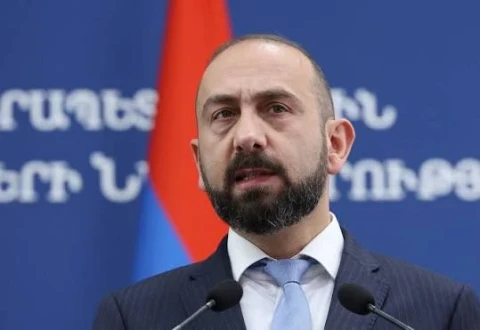
Turkish Foreign Minister Hakan Fidan said last month Turkey won’t resume ties without a final peace agreement between Azerbaijan and Armenia.
Foreign ministries of Armenia and Turkey didn’t respond to requests for comment.
Turkish and Armenian envoys toured the Akyaka–Akhurik border crossing on Saturday and met in the Armenian border city of Gyumri to advance plans to restore the Kars–Gyumri rail link, Turkey’s Foreign Ministry said. Replacing the tracks could take as long as five months, the people said. Turkey is also building new roads in the area for border patrols, local officials said.
Formalizing the peace agreement would help bring stability to a region that’s a vital crossroads for energy pipelines carrying oil and gas from the Caspian Sea region and central Asia to Europe, bypassing Russia.
As part of the Trump-backed deal, the US gained exclusive rights to develop a transport route—called the Trump Route for International Peace and Prosperity, or TRIPP—connecting mainland Azerbaijan and Turkey via Armenia, which would become part of a new east-west line between Beijing and London.
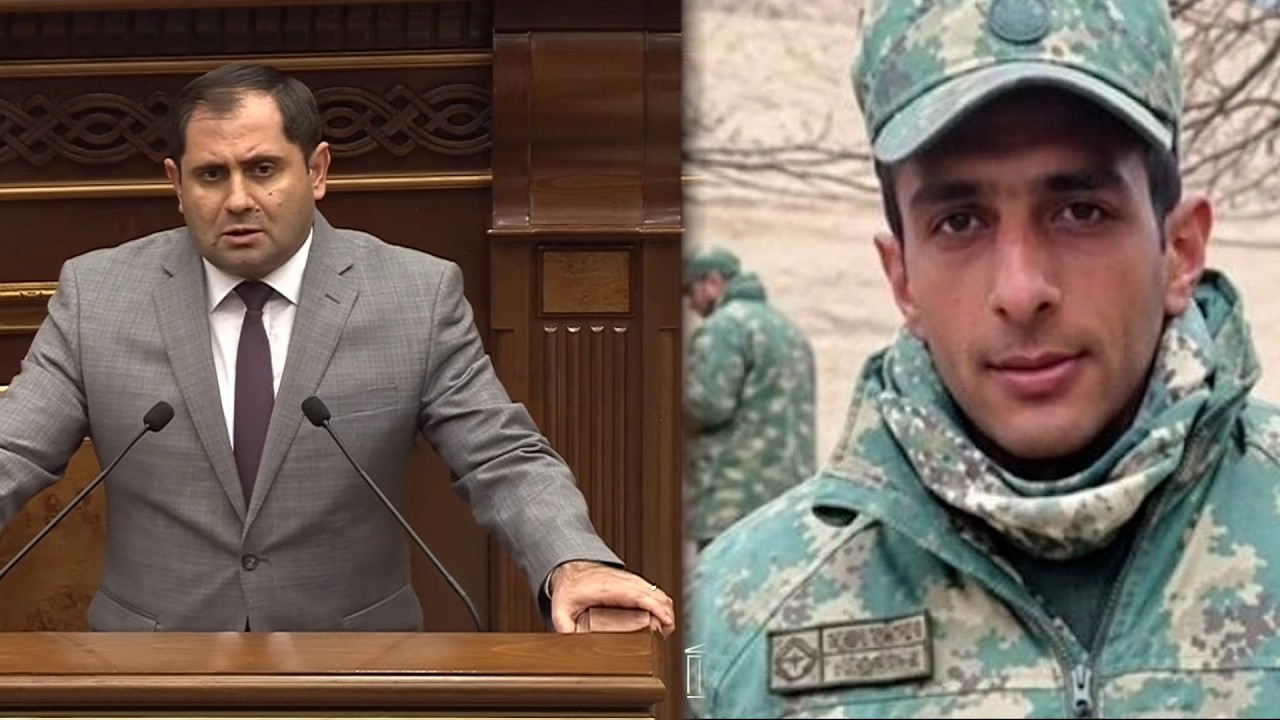
Pashinyan, speaking at the Armenian parliament mid-November, said that construction work on the passage will begin in the second half of 2026, according to news reports, adding that railway would follow the former Soviet route because building it elsewhere was not realistic.
Turkey’s reopening the border is seen as likely in early 2026.
If Turkey agrees to open its border, businesses on both sides of the sleepy frontier stand to gain, Bloomberg added.