make preferable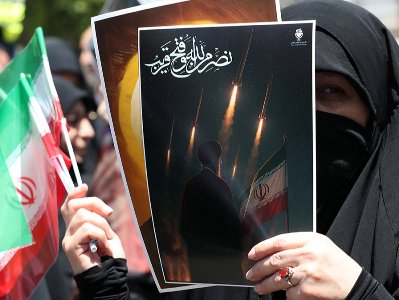
Israeli officials acknowledge there is no certainty that the ongoing war against Iran will lead to the fall of its clerical government, Modern Diplomacy reports.
Despite intense bombardment, there are no signs of mass uprising among Iranians. President Trump's statements about an imminent end to the conflict contrast with Israel's assessment that Washington is not yet close to deciding to end the war.
US and Israeli strikes have already caused significant casualties, including Supreme Leader Ayatollah Ali Khamenei and military commanders, along with the destruction of residential buildings and infrastructure, generating anger among the population, though many fear joining protests due to threats from authorities.
The long-term situation in the country looks grim: harsh sanctions are undermining the economy, and prospects for improvement are extremely limited, especially after the brutal crackdown on protests earlier this year.
Experts believe that degrading Iran's military capabilities may be a more realistic military objective than regime change, which is seen as a complex and uncertain task.
Iranian authorities, amid the conflict, are warning the population against protests, characterizing them as actions against the state. Daily life continues with many businesses operating, albeit with restrictions due to constant bombardment that is destroying critical infrastructure and worsening the economic crisis, hampering the possibility of mass public protests.