make preferable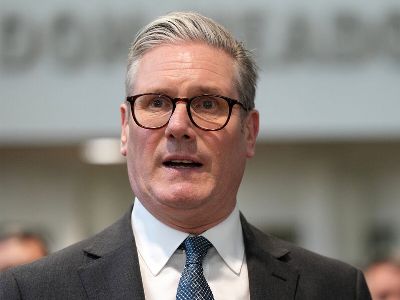
The United Kingdom will hold talks this week with representatives from 35 countries to form a coalition aimed at restoring navigation through the Strait of Hormuz. The meeting of foreign ministers will discuss ways to “ensure access and safety of the strait after the cessation of hostilities,” Prime Minister Keir Starmer said. A separate military meeting will explore options for naval operations.
France, the Netherlands, and Gulf states are among those participating in discussions on what resources each country could contribute, according to four officials familiar with the talks, as reported by the Financial Times. Measures under consideration include military escort of commercial vessels, mine-clearing operations, and other protective actions against potential Iranian attacks.
“This initiative is very similar to the ‘coalition of the willing’ that was created to support Ukraine,” said a Belgian foreign ministry representative. Until now, European countries had rejected Donald Trump’s calls to send their navies to the Strait of Hormuz, reportedly unwilling to help him resolve a problem he created. However, the scale of the growing energy crisis and repeated criticisms from Trump toward NATO allies have prompted a shift in position and preparations to unblock the strait, the FT sources said.
The coalition will not operate under NATO and will include countries outside the alliance.
The United Arab Emirates is expected to play an active role, urging the US, European, and Asian nations to combine efforts for a forceful reopening of the strait. The UAE and Bahrain are also seeking a UN Security Council resolution that would authorize such actions.
According to two FT sources, forming the naval coalition is complicated by differences in available forces and equipment; for example, some countries offered mine-clearing vessels but not frigates to protect them.
“In the talks organized by the UK, all possible diplomatic and political measures to restore free navigation, ensure the safety of stranded ships and sailors, and resume transport of vital goods will be assessed,” Starmer said.