make preferable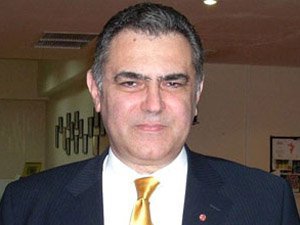
There were expectations about the OSCE Summit in Astana, being the first within the recent eleven years, however they were not justified. For this reason, there is some disappointment over the matter. Executive Director of British LINKS organization Dennis Sammut stated in an interview with NEWS.am.
Summing up the outcome of the summit, the expert stressed an agreement was reached on OSCE action plan at the summit.
“It will weaken the organization. The summit even failed to move forward on unresolved conflicts in European and Eurasian area, including Nagorno-Karabakh dispute,” he stressed.
However, according to the British expert, the summit made a significant contribution to discussing the future of European security. It placed emphasis on European security being dependent on developments in Eurasia.
“OSCE can operate successfully only by the consent of heads of 56 member states of the organization, However, this becomes more and more complicated,” he emphasized.
Commenting on the future of the organization, Sammut said OSCE did not recover after failing to prevent August 2008 war in Georgia. In the context of South Ossetian war, OSCE was the most important international agency, but restrictions of the organization became more visible before, during and after the conflict. Currently, there is not even an agreement on the return of the OSCE mission to Georgia, Sammut concluded.