make preferable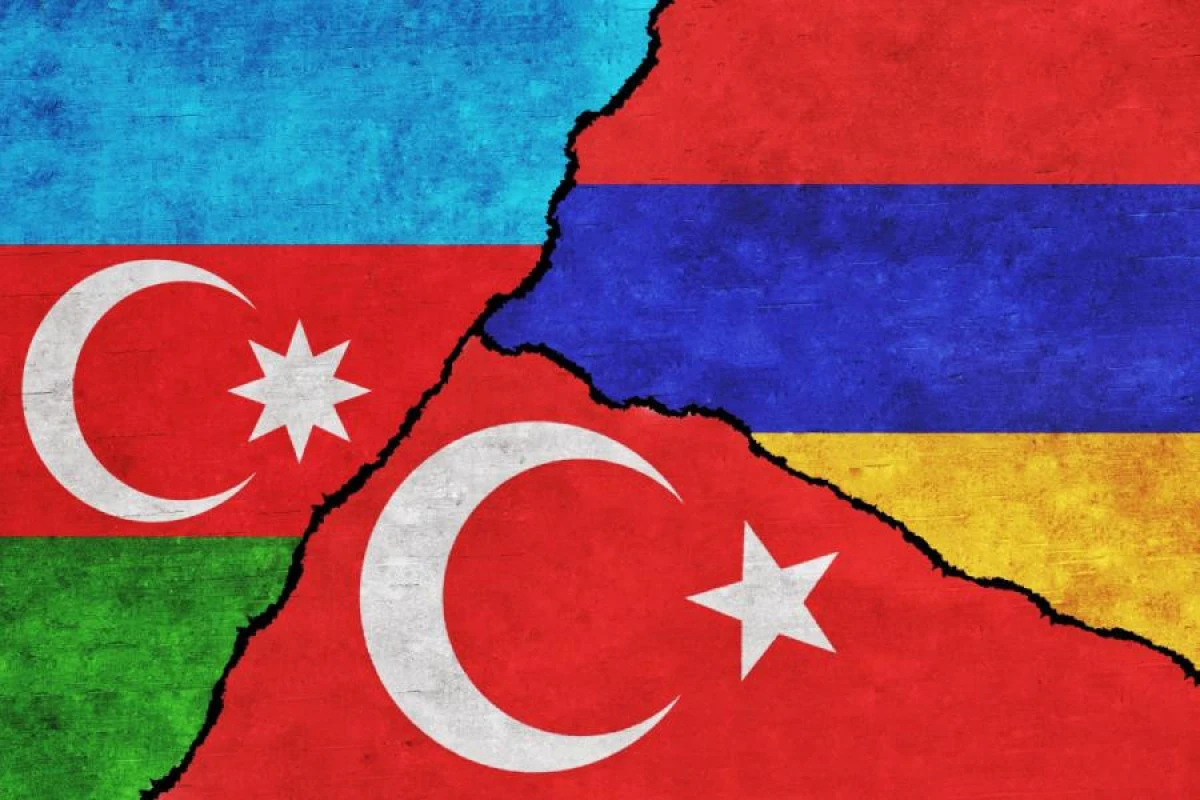
In the third quarter of 2026, Armenia will continue to pursue a pro-Western policy and strive for the normalization of relations with Turkey and Azerbaijan. However, the lack of a constitutional majority is likely to limit this process, mainly to resolving technical issues, according to the 2026 third-quarter forecast by US think tank Stratfor.
As per the forecast, Armenia’s ruling party, led by Prime Minister Nikol Pashinyan, does not have a sufficient number of seats in parliament to independently make amendments to the Armenian constitution. Most likely, Armenia will not fulfill Azerbaijan's demands regarding constitutional amendments.
Turkey, which seeks to take advantage of the weakening of Russia's influence in the South Caucasus, will try to use the current situation: it may push Azerbaijan to view Pashinyan's renewed mandate as an opportunity to move forward with the signing of the peace treaty, while simultaneously postponing the Azerbaijani demand for amendments to the Armenian constitution.
According to an alternative scenario, Yerevan, Baku, and Ankara could use the 2026 third quarter to expand the work on individual border checkpoints, land and air routes, as well as transit links, even without signing the Armenian-Azerbaijani peace treaty. This would enable maintaining the momentum of the normalization process.
Moscow’s interference is likely to intensify if Pashinyan hints that he may include the constitutional amendments, which are not universally accepted by the public, in a broader referendum on the course of integration with the European Union, given the high level of public support for European integration.