make preferable
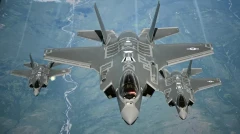
Overnight, the U.S. Central Command carried out the thirteenth consecutive large-scale series of strikes on military facilities in Iran. The operation began at 1:45 a.m. Moscow time and affected several key regions of the country, focusing primarily on the southern coast and the western provinces. According to the U.S. command, the main targets of the attacks were Iranian command posts, storage and basing sites for strike drones, coastal observation posts, and naval facilities.
Iranian state media and the news agencies IRIB, Fars, and IRNA reported a series of explosions in the areas of Bandar Abbas, Jask, Konarak, as well as on the southern coast of Qeshm Island. Deeper inside the country, the outskirts of the city of Khondab were struck by two missiles, while sounds of explosions were heard in Firuzabad and Andimeshk. At the same time, the administration of Iran’s Khuzestan Province later issued clarifications, denying reports of strikes on Khorramabad and stating that only the outskirts of Ahvaz, Andimeshk, and Omidiyeh had come under attack in the region. By morning, the U.S. military announced the successful completion of the nighttime phase of the operation.
In response to the U.S. actions, the Iranian Army deployed strike drones which, according to Press TV, targeted the living quarters of U.S. military personnel at bases in Bahrain and Jordan. Tensions on the battlefield are being accompanied by a demarche on the diplomatic front. According to The New York Times, Tehran rejected a U.S. ceasefire proposal delivered through Iraqi Prime Minister Ali al-Zaydi. Iranian officials said the country is not interested in temporary arrangements that do not resolve the strategic issue of control over the Strait of Hormuz.